
Light
Full Sun
Requires full sun and bright direct light to maintain its compact growth form.
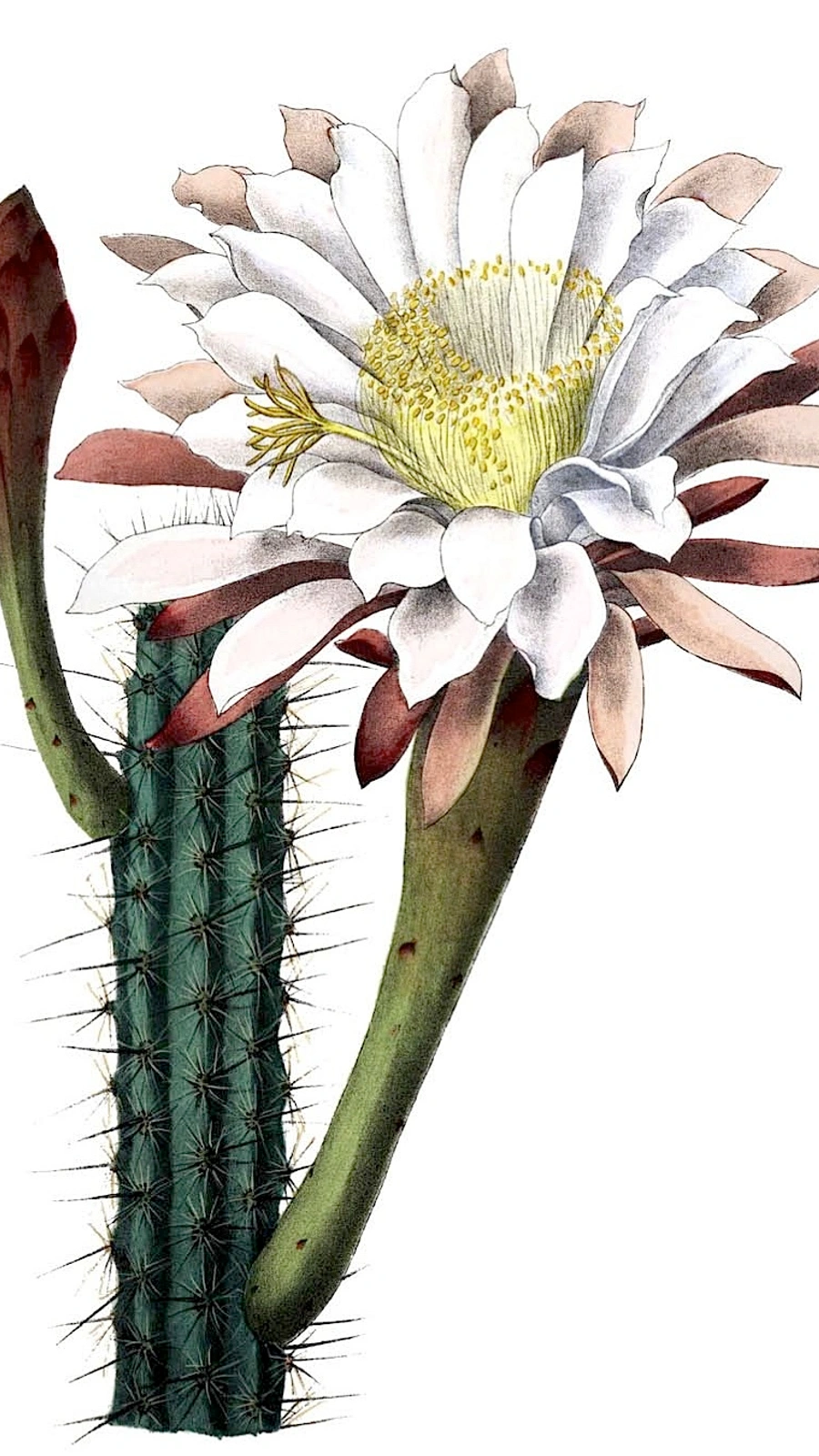 Reference image
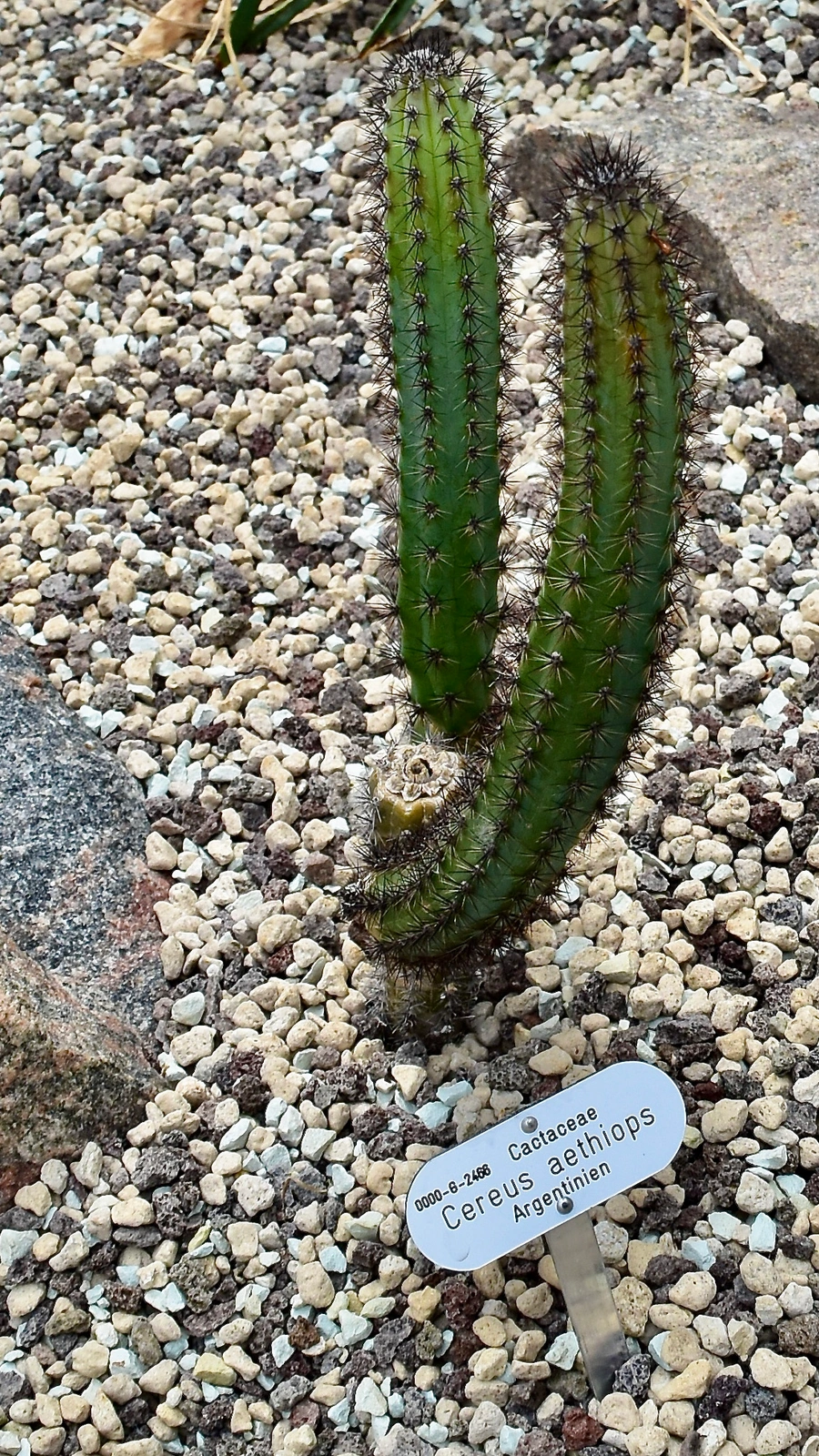 Reference image
Beysiegel's Cereus (Cereus beysiegelii)
Cereus beysiegelii is a columnar cactus belonging to the family Cactaceae. Known as a rare taxon within the genus Cereus, this species exhibits the typical drought-tolerant characteristics, ribbed stem structure, and upright growth habit that define many columnar cacti 1. It is highly valued by succulent collectors for its sculptural form.
The genus name Cereus is derived from the Latin word meaning "wax" or "torch," referring to the candle-like, upright growth form of these plants 2. The specific epithet beysiegelii honors a botanical figure, though the exact taxonomic boundaries and synonyms of this species remain a subject of ongoing study among botanists 1.
While specific field data on Cereus beysiegelii is sparse, the genus Cereus is natively distributed across the semi-arid regions, rocky slopes, and scrublands of South America 1. It is adapted to survive in areas with intense sunlight, low annual rainfall, and extremely well-draining, mineral-rich soils.
This cactus produces erect, fleshy, green to grayish-green stems characterized by vertical ribs. The areoles bear sharp, protective spines. Upon reaching maturity under optimal conditions, it can produce large, nocturnal, funnel-shaped white or cream-colored flowers typical of the genus 2.
In cultivation, Cereus beysiegelii requires full sun exposure and warm temperatures. It must be potted in a highly porous, gritty cactus soil mix. Watering should follow a soak-and-dry method during the growing season and be kept to an absolute minimum in winter.
Overwatering in poorly draining soil is the primary cause of plant death due to root rot 2. Insufficient sunlight leads to etiolation, where the stems stretch unnaturally, become pale, and lose their structural integrity.
Requires full sun and bright direct light to maintain its compact growth form.
Allow the soil to dry out completely between waterings. Reduce watering to a minimum in winter.
Use a porous, fast-draining gritty mix containing pumice, sand, and perlite.
Non-toxic, but features sharp spines that can cause physical injury to pets and humans.
Very easy; thrives on neglect as long as it gets plenty of light and little water.
Native to the dry scrublands and rocky regions of South America, adapted to intense heat and prolonged dry spells.
