
Light
Full Sun
Requires full sun or very bright indirect light to maintain its structural form and color.
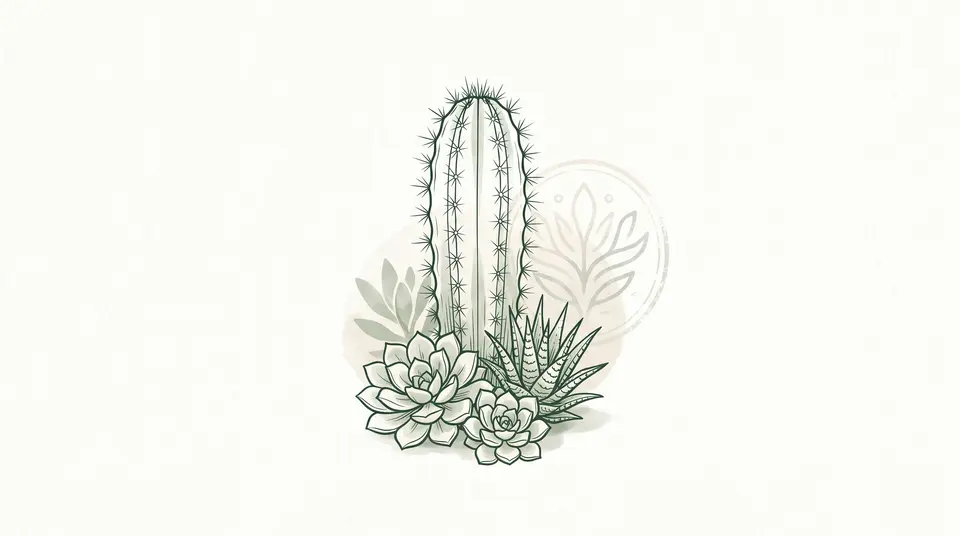 Reference image
Cereus Conformis
Cereus conformis is a columnar, upright-growing cactus species belonging to the family Cactaceae 1. Known for its robust structure and low-maintenance requirements, it represents a unique addition to succulent and cactus collections.
Classified under the genus Cereus, this species exhibits the classic architectural form associated with columnar cacti. The specific epithet conformis points to its morphological conformity and resemblance to allied species within the genus 2.
In its natural habitat, it thrives in arid, rocky, and sun-drenched environments. It has adapted to survive prolonged droughts by storing water in its fleshy, ribbed stem. It typically grows in mineral-rich, highly porous soils.
The plant features a cylindrical, bluish-green stem with prominent vertical ribs lined with spine-bearing areoles. Upon reaching maturity, it can develop a branched, tree-like habit. It produces large, nocturnal flowers that are typically white or cream-colored.
It performs best under full sun or bright, direct outdoor light. Indoors, it should be placed in the sunniest window available. The soil must be allowed to dry out completely between waterings to prevent root issues.
Overwatering and using heavy, moisture-retentive potting soils are the primary causes of root rot. Lack of adequate light results in weak, thin growth (etiolation) and a loss of its characteristic blue-green hue.
Requires full sun or very bright indirect light to maintain its structural form and color.
Water deeply but infrequently. Allow the substrate to dry completely before watering again.
A highly porous gritty mix, rich in pumice, sand, and perlit, with minimal organic matter.
Features sharp spines. Place away from high-traffic areas, children, and pets.
Very easy to grow, making it ideal for beginners who can avoid the temptation to overwater.
Native to the dry, stony scrublands and semi-desert regions of South America, where it thrives under high solar radiation and minimal rainfall.
