
Light
Full Sun
Requires at least 6 hours of direct sunlight daily to maintain its structural integrity.
 Reference image
 Reference image
Cossyrian Columnar Cactus
Cereus cossyrensis is an intriguing, columnar cactus species belonging to the family Cactaceae. It is highly valued for its striking architectural form and extreme drought tolerance.
Within the genus Cereus, this species carries historical significance linked to its geographical namesake, 'Cossyra', the ancient name for the volcanic Italian island of Pantelleria 1. It represents a unique adaptation within Mediterranean microclimates 2.
The primary natural habitat of this cactus is concentrated around the island of Pantelleria. It thrives on rocky, sun-drenched volcanic slopes, colonizing nutrient-poor but mineral-rich soils.
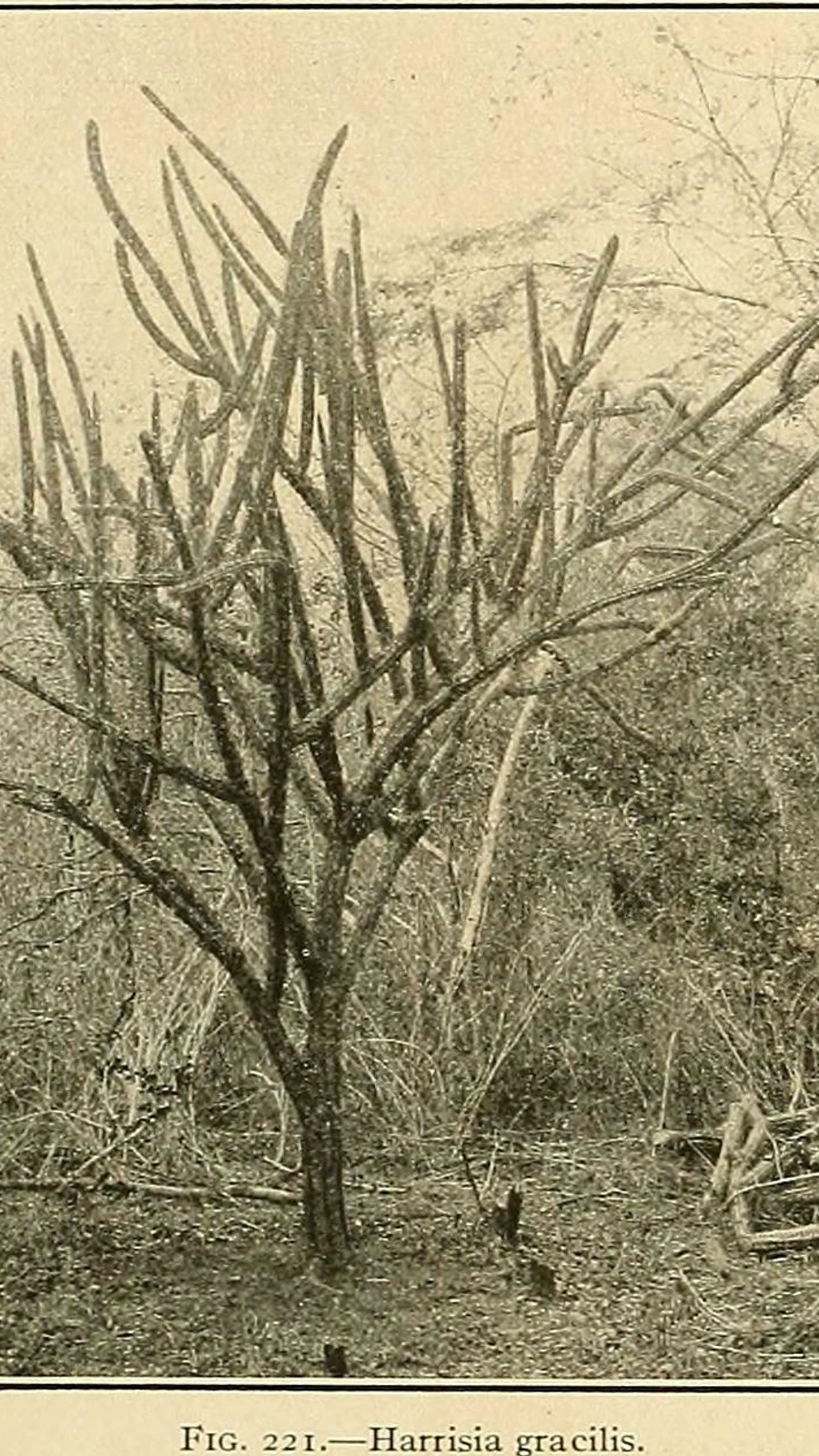
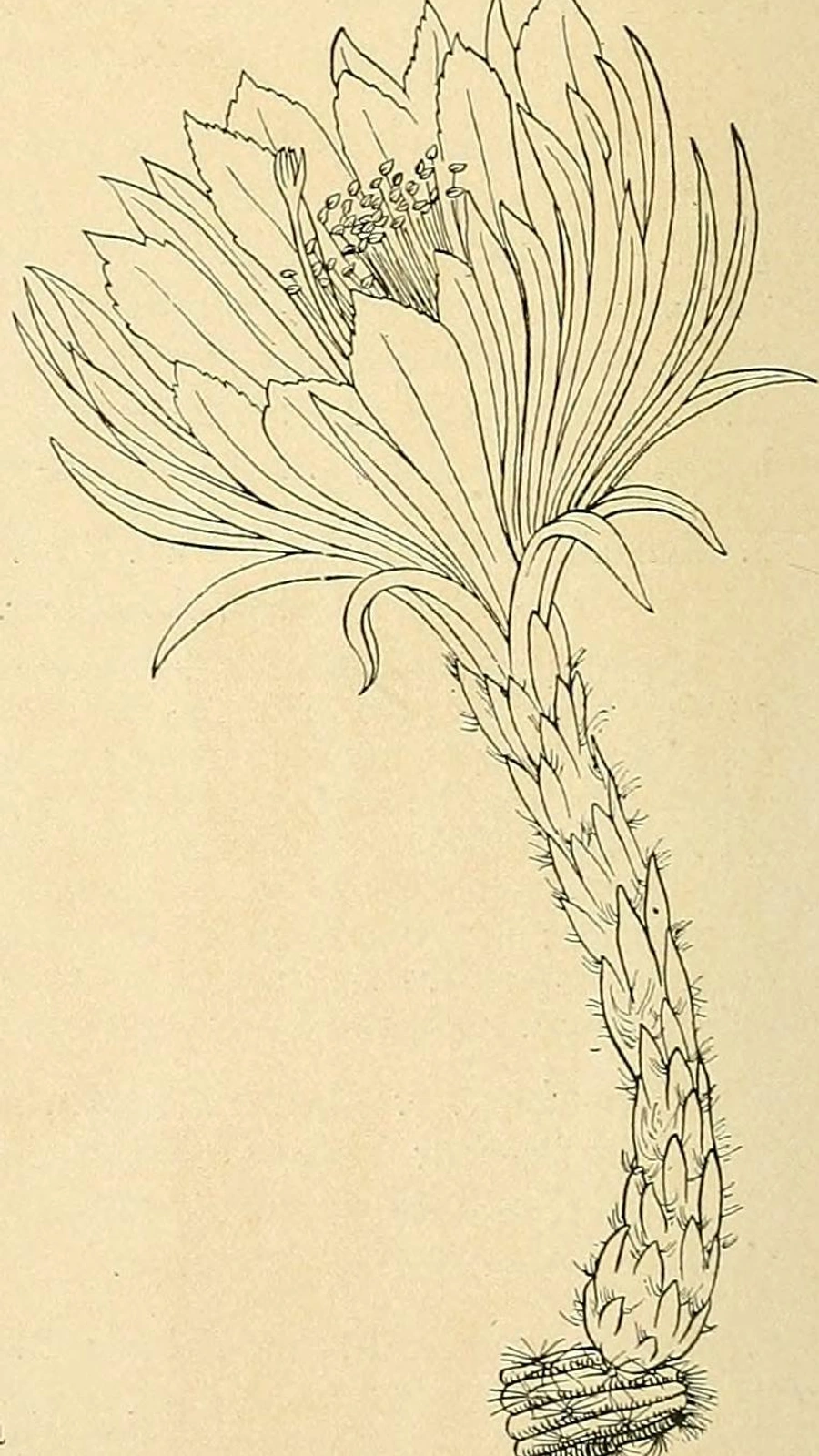
This cactus features ribbed, erect columnar stems that can reach impressive heights. Areoles along the margins bear sharp, defensive spines. It produces large, nocturnal flowers that are typically white or pale cream, designed to attract night-pollinators.
In cultivation, Cereus cossyrensis requires minimal intervention. It demands bright, direct sunlight and a highly porous growing medium. Watering should be infrequent and strictly aligned with the dryness of the substrate.
The most frequent error is overwatering, which leads to root and stem rot. Placing the plant in heavy clay soils or dark, unventilated indoor spaces will rapidly degrade its health 2.
Requires at least 6 hours of direct sunlight daily to maintain its structural integrity.
Allow the potting mix to dry out 100% between waterings. Avoid waterlogging at all costs.
Use a specialized mineral-rich cactus mix with high pumice, gravel, and sand content.
Equipped with sharp spines; keep out of reach of curious pets and active children.
Very easy to maintain, ideal for beginners who can resist the urge to overwater.
Native to the volcanic island of Pantelleria in Italy, thriving on rocky, sun-baked, mineral-rich Mediterranean slopes.
