
Light
Full Sun
Requires full, direct sunlight; ideal for south-facing windows or outdoor patios.
 Reference image
Cumenge's Cereus
Cereus cumengei is an upright, columnar cactus species belonging to the family Cactaceae. Adapted to harsh desert environments, it is recognized for its architectural form and high drought tolerance 1.
Named in honor of the botanist Cumenge, this taxon resides within the diverse genus Cereus. It represents the classical column-like morphology typical of the tribe Cereeae 2.
Native to the arid regions of North America, particularly across the Southwestern United States and California, this species thrives in well-draining, gravelly soils on sun-exposed slopes 1.
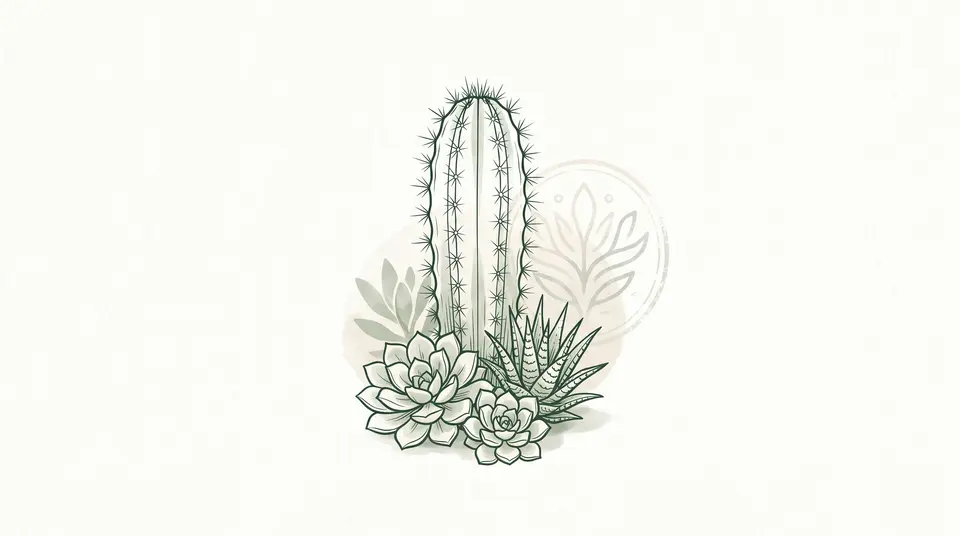
This cactus features ribbed, cylindrical stems that grow vertically. The areoles line the ridges, bearing sharp, defensive spines. When mature, it produces large, nocturnal white flowers during the warm season.
In culture, it is highly resilient. It demands full sun exposure and a well-ventilated location. Watering should follow a 'soak and dry' method during the active growing season, and be kept to an absolute minimum during winter dormancy.
The most prevalent issue is root rot, triggered by waterlogged soils or heavy, clay-rich potting mixes. Insufficient light leads to etiolation, stretching and weakening the columnar stem.
Requires full, direct sunlight; ideal for south-facing windows or outdoor patios.
Water deeply but infrequently. Allow the soil to dry 100% between waterings.
Use a specialized mineral-rich cactus mix with high grit, pumice, and sand content.
Spines are sharp and can cause injury. Keep away from pets and active pathways.
Extremely low-maintenance, making it perfect for beginners who tend to underwater.
Originates from the dry desert landscapes of the Southwestern United States and the California region, where it is found on gravelly slopes.
