
Light
Direct Sun
Requires at least 6 hours of direct sunlight daily.
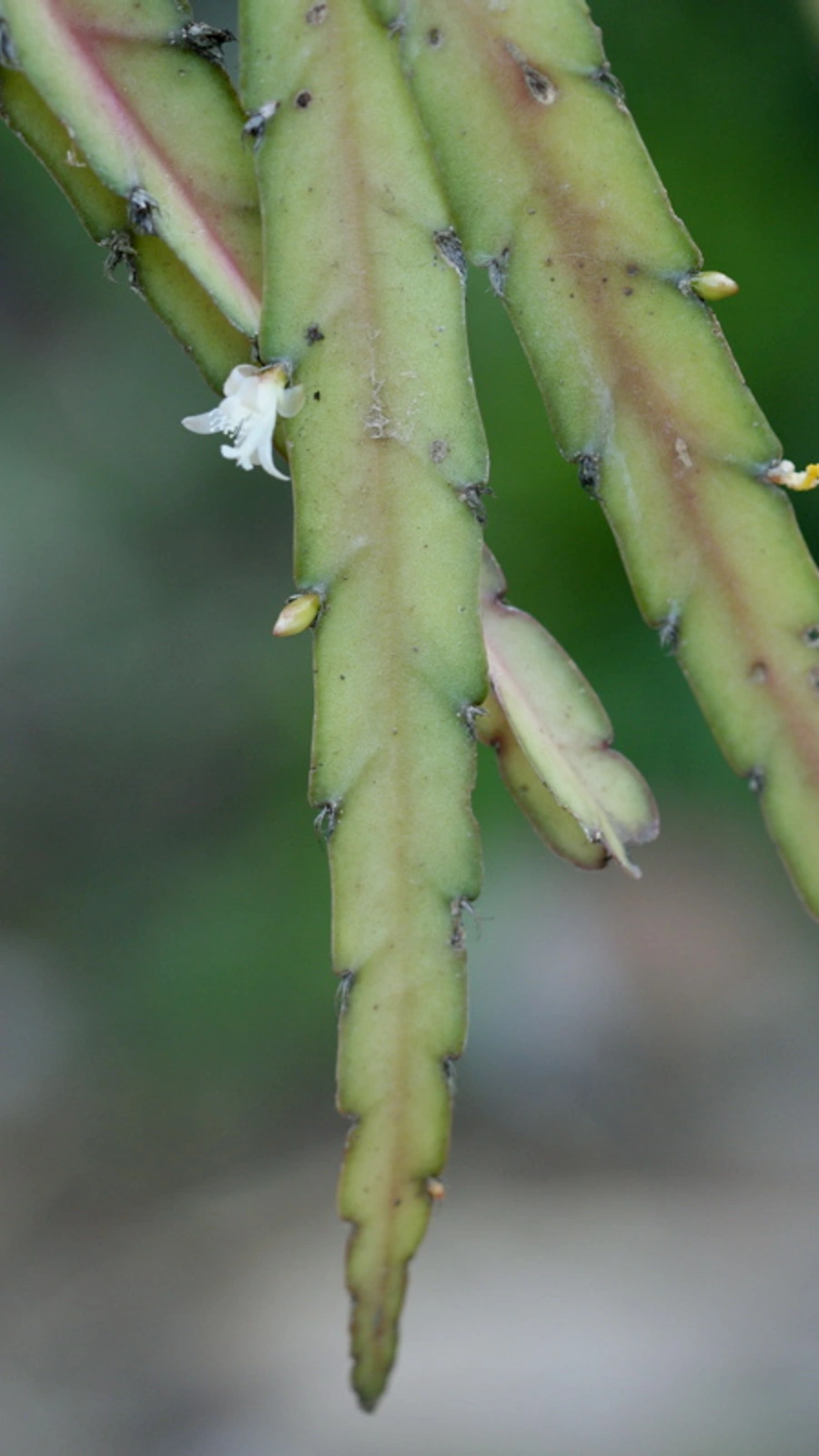 Reference image
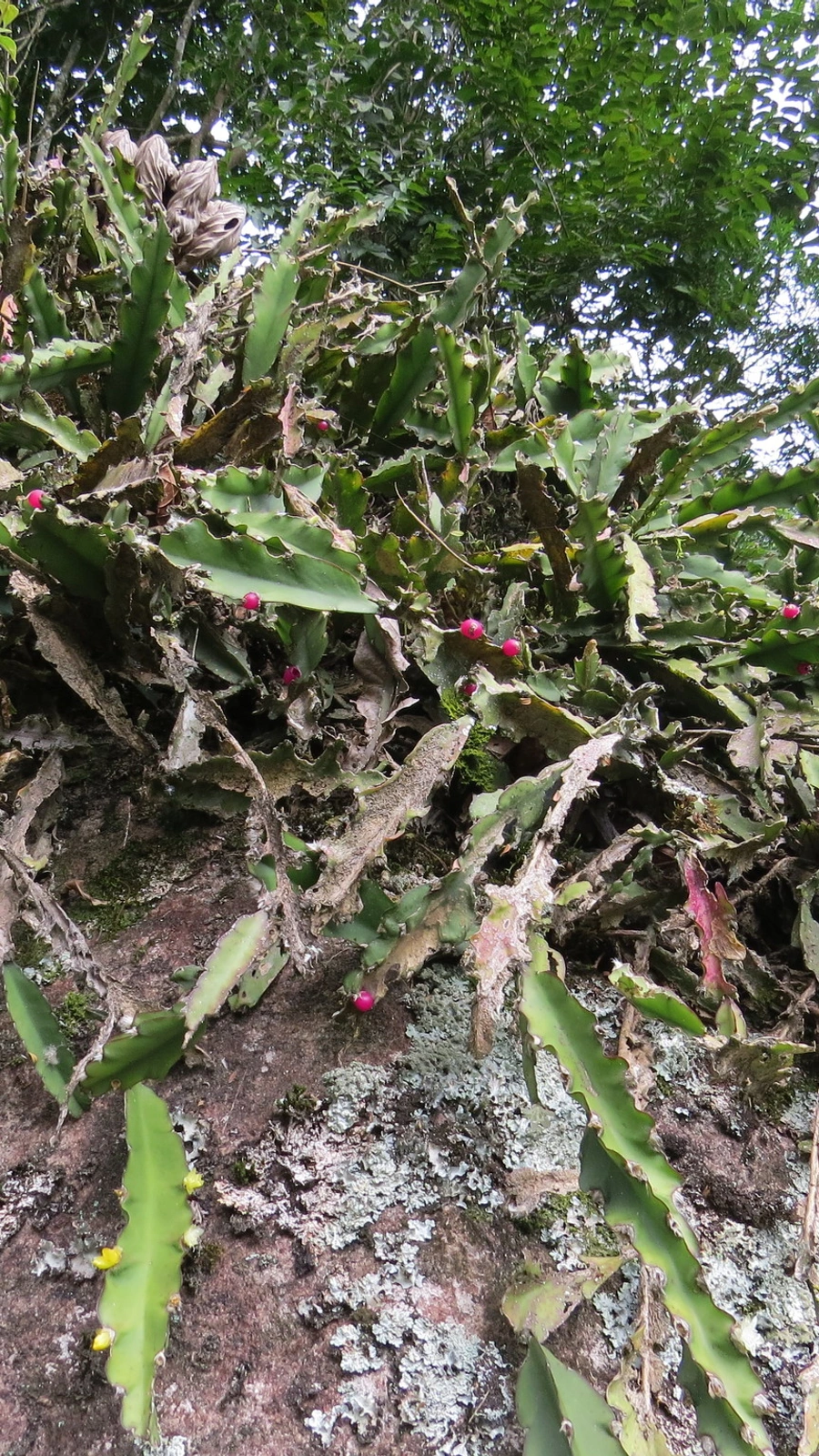 Reference image
Elegant Columnar Cactus
Cereus elegans is a columnar cactus species belonging to the Cactaceae family, native to the arid regions of Peru and western South America. In its natural habitat, it thrives along rocky slopes and dry valleys.
Classified under the genus Cereus, this species has historically been associated with various cactus groups due to morphological similarities 1. The scientific epithet "elegans" refers to its slender stem structure and symmetrical spine arrangement.
This cactus is primarily distributed across the arid and semi-arid mountainous regions of Peru 2. In these environments, it grows in highly permeable volcanic and sandy soils under intense solar radiation.
The plant grows in vertical columns. It features prominent ribs along the stem, adorned with symmetrically arranged greyish-brown spine areoles. During the summer, it produces nocturnal, funnel-shaped white or cream-colored flowers.
Indoors, it should be placed in front of south or west-facing windows that receive plenty of direct sunlight. Overwatering must be avoided; the soil should dry out completely between waterings 3. Watering should be almost entirely suspended during winter.
The most common mistakes are using pots without drainage holes and overwatering, which quickly lead to root rot. Additionally, keeping the plant in cold, damp conditions during winter triggers fungal infections.
Requires at least 6 hours of direct sunlight daily.
Do not water until the soil is fully dry; minimize watering in winter.
Prefer sandy, perlite-rich, and highly draining cactus mixes.
Spines can cause skin irritation; keep away from children and pets.
Extremely easy and low-maintenance as long as it is not overwatered.
Naturally occurs in the arid mountainous slopes and semi-desert areas of Peru, thriving among highly draining volcanic rocky soils.
