
Light
Full Sun
Requires at least 6 hours of direct sunlight daily; low light causes structural stretching.
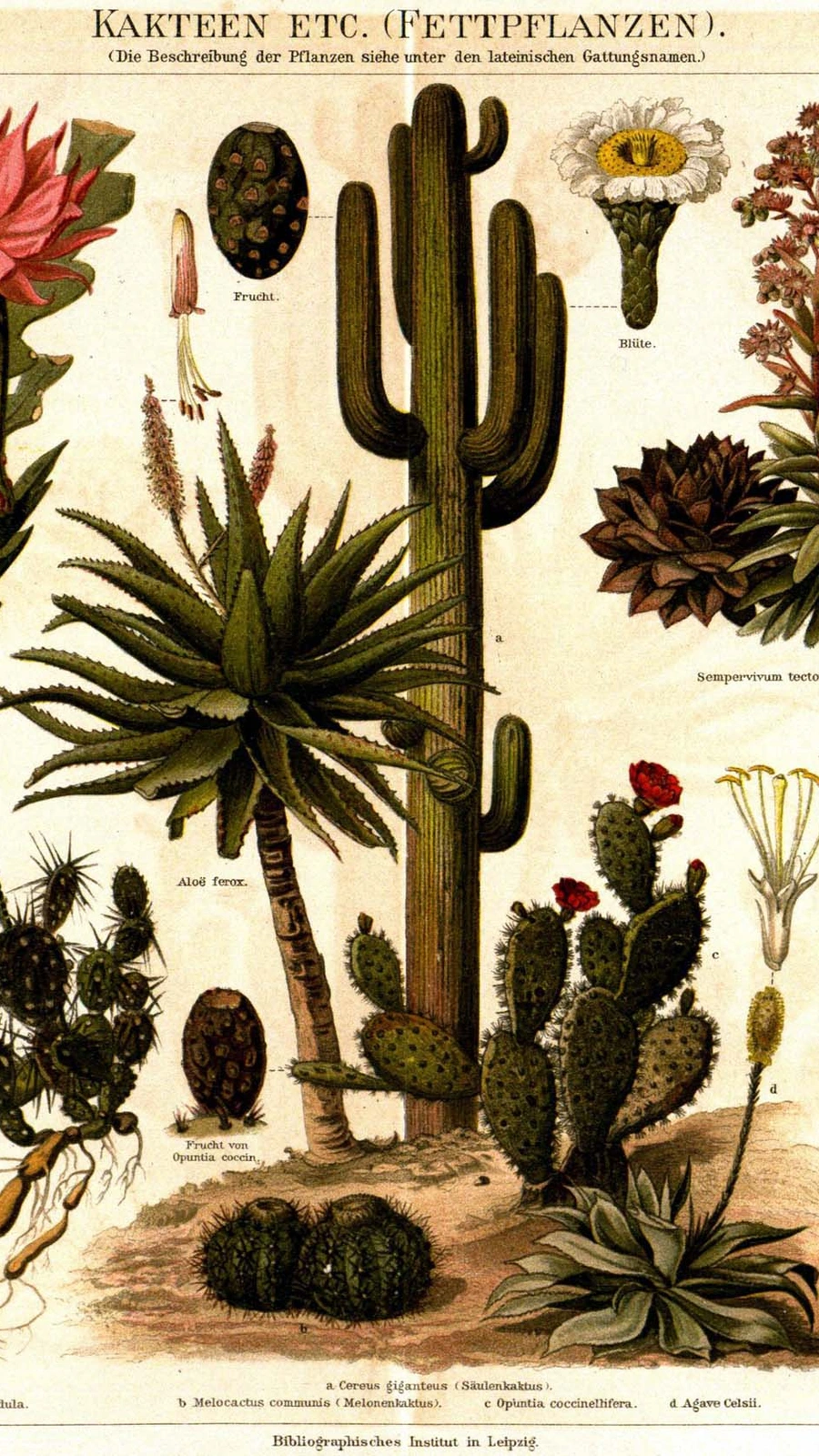 Reference image
 Reference image
Cereus ferox is an impressive, columnar cactus belonging to the Cactaceae family. Capable of reaching massive proportions in its native habitat, this robust and popular cactus is also highly valued for indoor and greenhouse cultivation due to its architectural structure and resilience.
In botanical literature, the name Cereus ferox has historically been associated with various taxa, often treated as a synonym or subspecies within the Cereus jamacaru complex 1. The specific epithet \"ferox\" translates from Latin as \"fierce\" or \"strongly armed,\" directly referencing the formidable, sharp spine clusters protecting its ribs 2.
This cactus species is native to South America, particularly common in the semi-arid 'Caatinga' shrublands of northeastern Brazil. It is perfectly adapted to survive in harsh, rocky terrains, nutrient-poor soils, and areas characterized by prolonged dry seasons and high solar radiation 1.
Featuring a striking blue-green to grayish-green epidermis, Cereus ferox grows upright with deep, well-defined ribs. The areoles bear clusters of sharp, rigid spines that range in color from yellow-brown to gray. Mature specimens produce nocturnal, funnel-shaped white flowers that attract nocturnal pollinators 2.
Cereus ferox is remarkably easy to grow. It thrives in full, direct sunlight and requires a well-draining, mineral-rich potting medium. Water thoroughly during the active spring and summer growth phases, allowing the soil to dry completely between waterings. In winter, keep the plant almost entirely dry 1.
Overwatering during the winter dormancy and utilizing heavy, clay-rich soil without proper drainage are the most frequent mistakes, leading to lethal root rot. Insufficient light exposure causes the stems to stretch abnormally (etiolation) and weaken.
Requires at least 6 hours of direct sunlight daily; low light causes structural stretching.
Only water when the soil is 100% dry; restrict watering severely during winter dormancy.
Use an open, gritty, fast-draining cactus compost with plenty of coarse sand and perlite.
Non-toxic to pets, but the extremely sharp, rigid spines can cause physical injury.
Very low-maintenance and highly forgiving of under-watering, ideal for beginners.
Naturally distributed across the arid, rocky landscapes of northeastern Brazil, thriving under intense sunlight and highly drained mineral soils.
