
Light
Filtered Sun
Requires bright, filtered sunlight; shield from intense, direct afternoon sun to avoid sunburn.
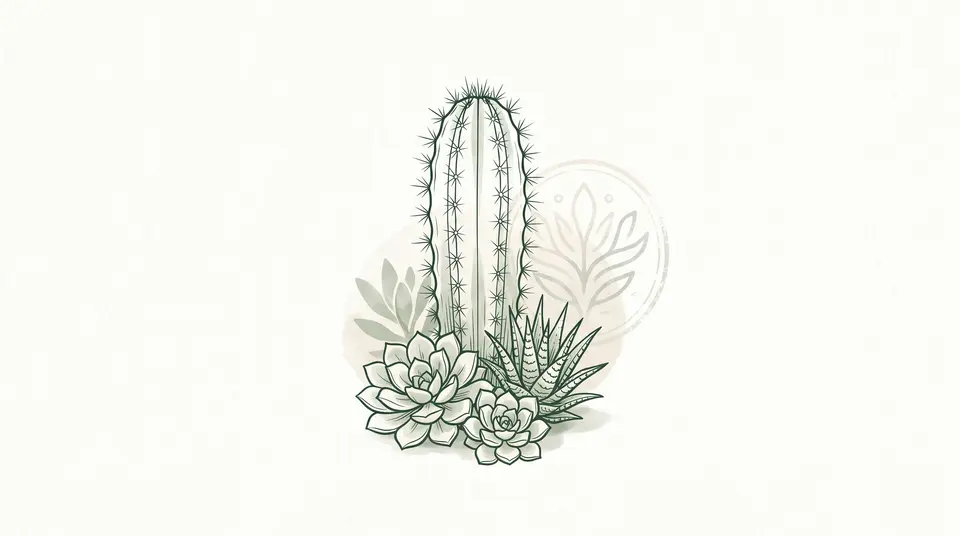 Reference image
Flexuous Columnar Cactus
Cereus flexuosus is a unique, semi-scandent or sprawling columnar cactus belonging to the family Cactaceae. Known for its characteristically curving or flexing stems, this species is highly valued by succulent enthusiasts for its architectural form and resilience.
Classified under the genus Cereus, this species has faced minor taxonomic reclassifications over the years 1. The specific epithet flexuosus refers to the flexible, bending nature of its branches, distinguishing it from strictly erect columnar cacti. It is closely related to other Neotropical columnar species but maintains its identity through its growth habit 2.
Native to the dry shrublands and rocky slopes of South America, Cereus flexuosus thrives in transitional ecosystems like the Chaco and dry forests. In these habitats, it often uses surrounding vegetation for physical support as it scrambles upward.
The stems are a matte, grayish-green, featuring prominent ribs adorned with woolly areoles and sharp, brownish spines. During the warm summer nights, it produces large, nocturnal white flowers that open for just one night to attract nocturnal pollinators, followed by reddish, fleshy fruits.
This cactus prefers bright, indirect or filtered sunlight to prevent epicuticular burning. It requires highly porous soil and a strict soak-and-dry watering regimen. During the winter dormancy, watering should be minimal to non-existent to mimic its dry native winters.
Overwatering and using heavy, water-retaining soils are the leading causes of root rot. Inadequate light exposure leads to etiolation, where the stems stretch, weaken, and lose their natural robust green color.
Requires bright, filtered sunlight; shield from intense, direct afternoon sun to avoid sunburn.
Water thoroughly only after the soil has dried out completely; keep almost dry during winter.
Requires a highly porous, gritty medium enriched with pumice, perlite, and coarse sand.
Armed with sharp spines; keep out of reach of children and companion animals.
Moderately easy to grow, provided soil drainage is excellent and watering is strictly regulated.
Naturally distributed across the arid scrublands and rocky, transition forests of South America where it scrambles among shrubs.
