
Light
Direct Sun
Thrives in full sun; requires several hours of direct sunlight daily.
 Reference image
 Reference image
Beautiful Cereus
Cereus formosus is an upright, columnar cactus species belonging to the Cactaceae family. Known for its stately structural form and spectacular nocturnal blooms, it is a highly valued ornamental plant suited for xeric gardens and sunny indoor spaces.
The species name Cereus formosus derives from the Latin word formosus, meaning "beautiful" or "well-formed". Taxonomically accepted under the genus Cereus, it has historically been placed under several synonyms, including Piptanthocereus formosus 1.
Native to southern South America, this species is widely distributed throughout northern and central regions of Argentina, including provinces like Chaco, Entre Ríos, and La Pampa 2. It thrives in dry valleys, rocky slopes, and semi-arid shrublands.
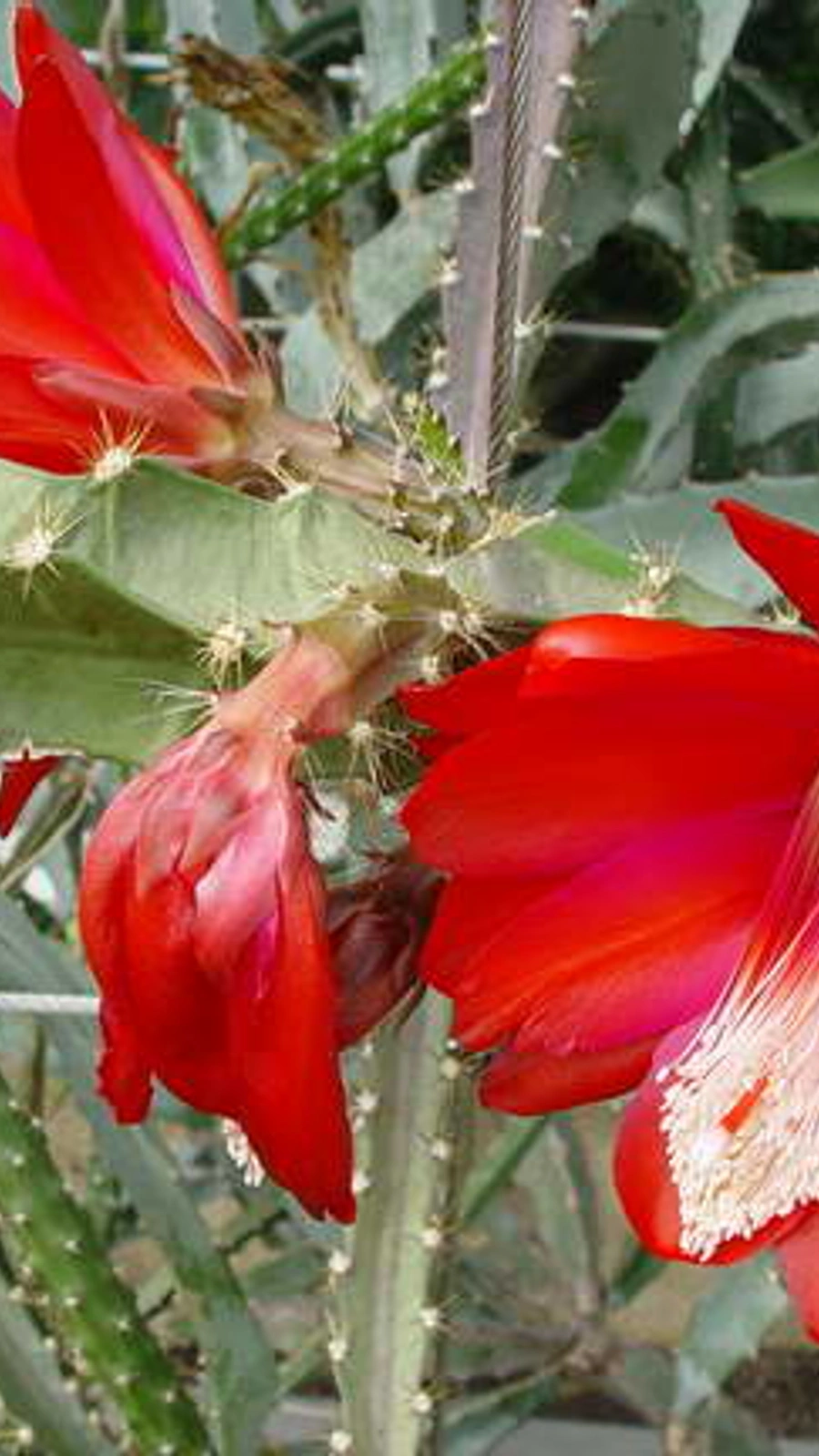
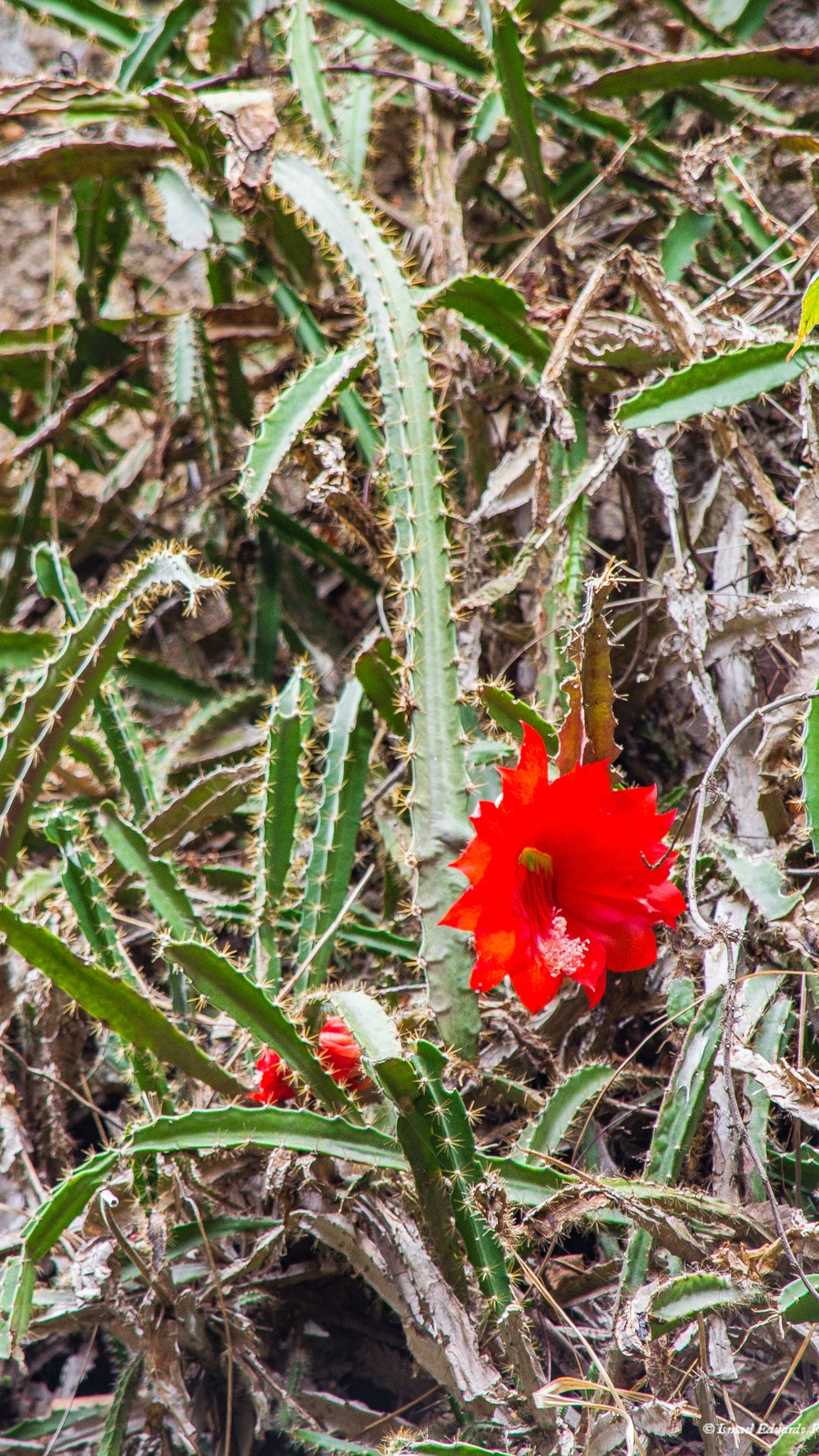
This cactus features columnar, greyish-green stems with prominent longitudinal ribs. The areoles bear sharp, greyish-to-yellowish spines. During mid-summer, it produces large, nocturnal white flowers that open at dusk and close shortly after sunrise, attracting night-flying pollinators.
Cereus formosus requires full sun exposure and extremely well-draining, mineral-rich soil. Watering should follow the soak-and-dry method during the active growing season. In winter, the plant enters a dormant phase and must be kept dry and cool.
Overwatering and placing the cactus in heavy, clay-rich soil are the most frequent causes of root rot. Inadequate light exposure leads to etiolation, causing the stems to grow thin, weak, and pale.
Thrives in full sun; requires several hours of direct sunlight daily.
Water thoroughly only when the soil is completely dry; minimize watering in winter.
Requires excellent drainage; use a coarse, sandy cactus potting mix with pumice.
Non-toxic to pets, but has sharp spines that can cause physical injury.
Very low maintenance and drought-tolerant; ideal for beginners.
Naturally distributed across the arid valleys, rocky slopes, and scrublands of central and northern Argentina.
