
Light
Direct Sun
Thrives in direct sunlight, requiring at least 6 hours of full sun daily.
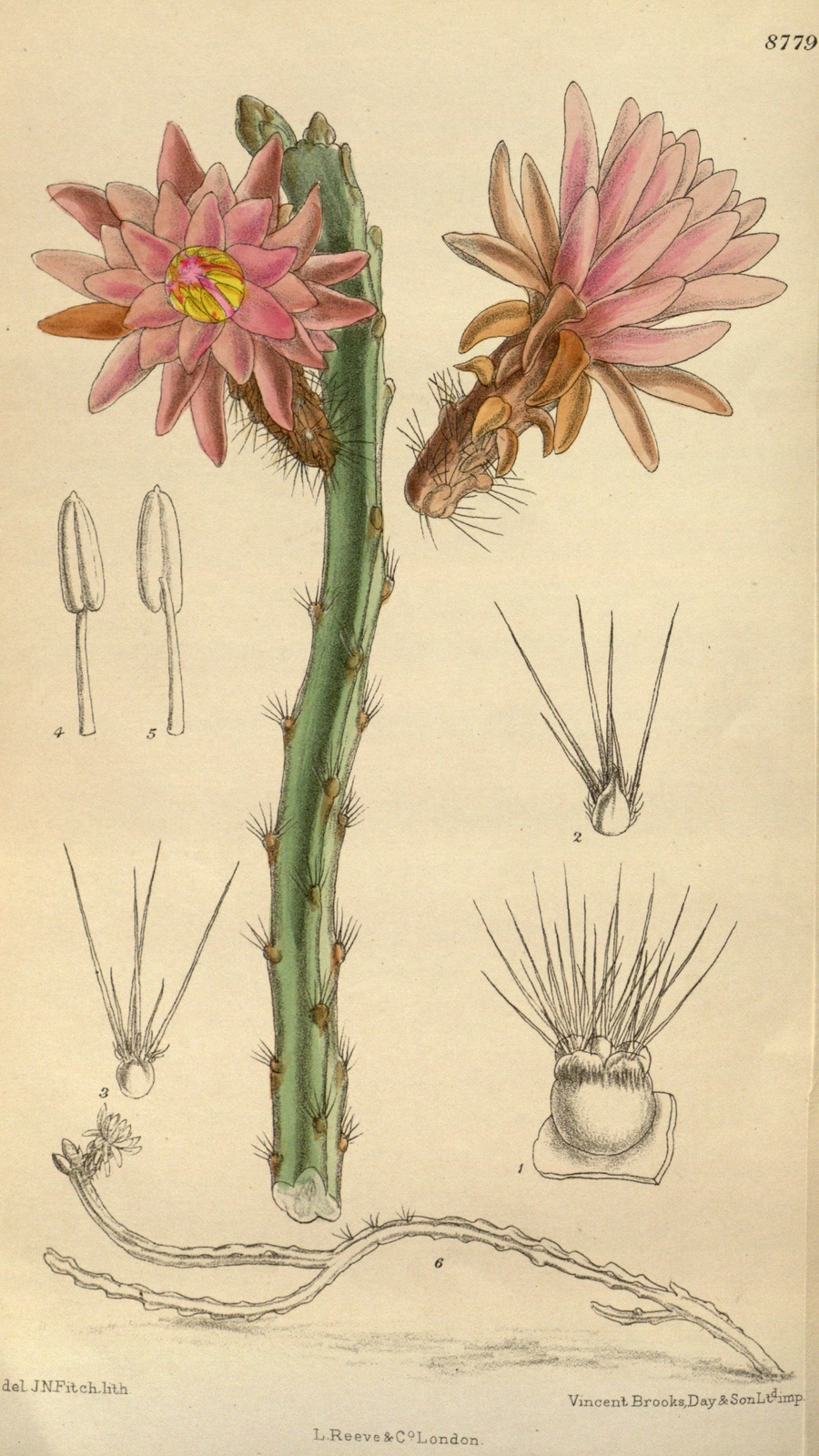 Reference image
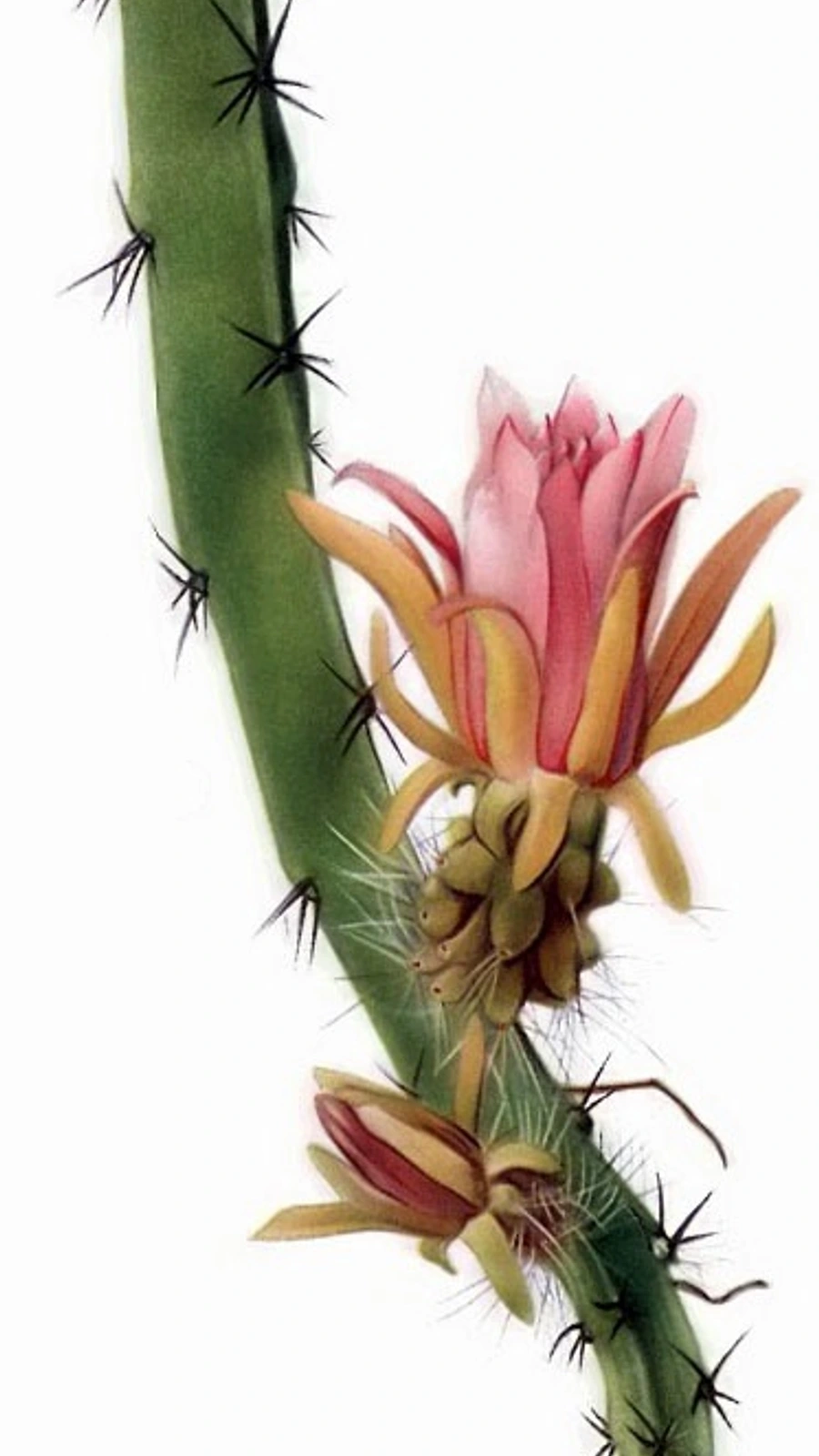 Reference image
Gonzalez's Cereus
Cereus gonzalezii is a columnar cactus species belonging to the family Cactaceae, characterized by its upright growth form. This species stands out as a characteristic element of dry tropical forests and arid regions, known for its resilience and adaptability to cultivation.
Classified under the genus Cereus within the family Cactaceae, this taxon was first described during regional botanical explorations 1. The specific epithet "gonzalezii" honors a local researcher or collector named Gonzalez who contributed to the botanical understanding of the region.
Its native range spans across arid parts of Central and Southern America as well as the Caribbean 2. In these environments, it grows primarily on rocky slopes, sunny plains, and well-drained soils, showing supreme adaptation to prolonged droughts.
Cereus gonzalezii features grayish-green or matte-green ribbed stems. From the areoles along the ribs, prominent grayish-brown spines emerge. It produces large, nocturnal flowers that are typically white or cream-colored, adapted to attract nocturnal pollinators.
Full sun exposure and perfect drainage are crucial for this species. Water only when the potting medium has dried out completely during summer, and suspend watering almost entirely during the cold winter dormancy. Use mineral-heavy cactus soil.
Overwatering and using pots without adequate drainage holes are the most frequent mistakes, quickly leading to root rot. Insufficient light exposure also causes etiolation, where the plant grows thin and weak.
Thrives in direct sunlight, requiring at least 6 hours of full sun daily.
Water only when the substrate is completely dry. Reduce significantly in winter.
Requires a highly porous, gritty cactus mix rich in pumice and coarse sand.
Non-toxic to pets, but features sharp spines that can cause physical injury.
Very easy to care for; highly tolerant of neglect and dry conditions.
Native to the arid slopes and dry tropical scrublands spanning from Central America into northern South America. It thrives in steep, stony terrains that enjoy intense sunlight and immediate moisture drainage.
