
Light
Direct Sun
Requires full, direct sunlight for several hours daily to prevent etiolation.
 Reference image
 Reference image
Grand Columnar Cactus
Cereus grandis is a stately, columnar member of the cactus family (Cactaceae). Known for its impressive upright growth habit and architectural presence, it is a favored specimen in arid landscapes and succulent collections.
In botanical history, the name Cereus grandis has often been associated with or synonymized under other large columnar species such as Cereus jamacaru or Cereus hexagonus 1. While sometimes classified as an unresolved or horticultural name in modern databases, it remains recognized among collectors for its distinct robust form.
This cactus is native to the arid and semi-arid regions of South America 2. It thrives on rocky slopes, dry scrublands, and open plains where sunlight is abundant and soil moisture is scarce.
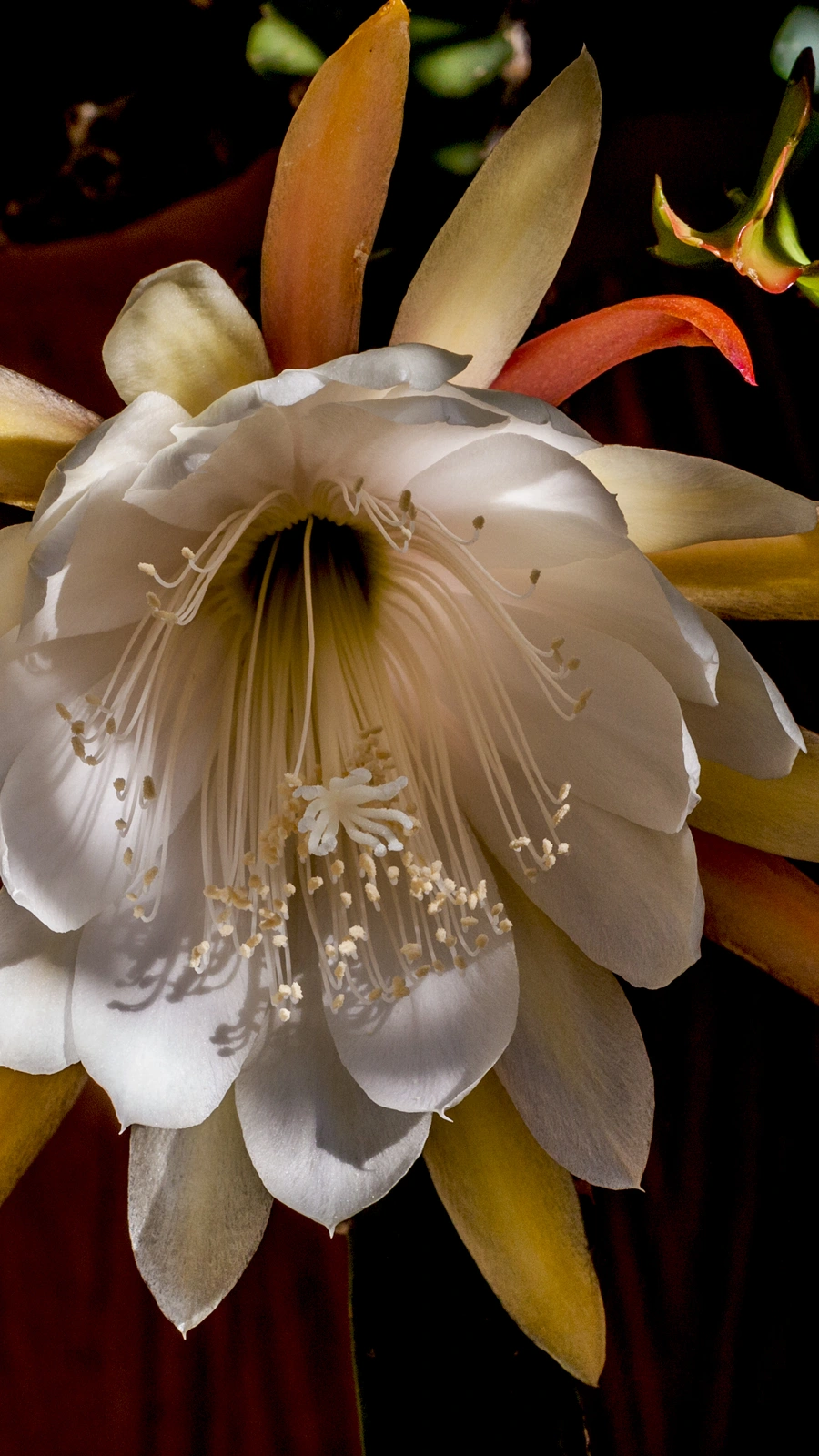
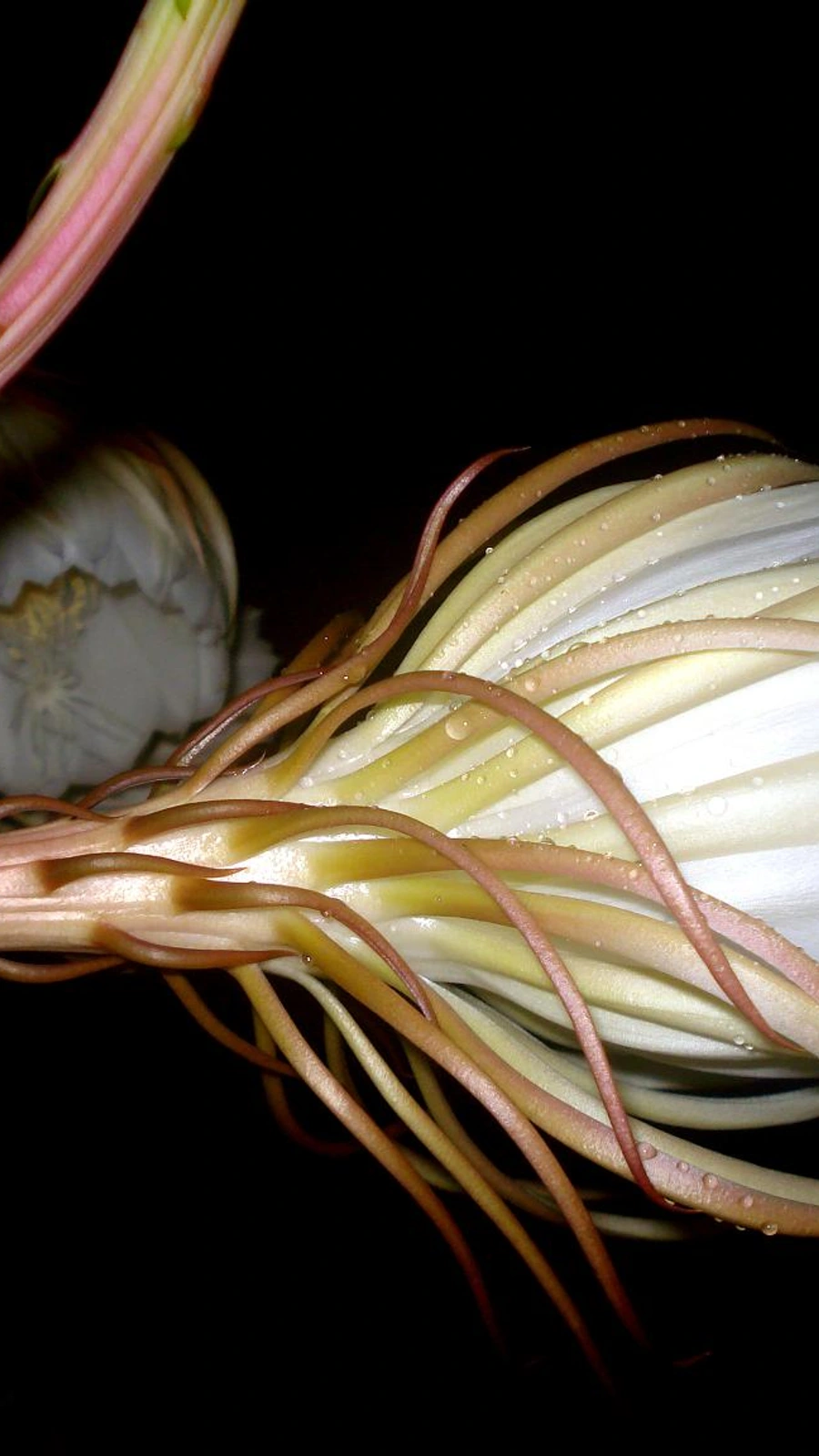
The plant features thick, blue-green to grayish stems with 4 to 6 deep ribs. Areoles along the margins bear sharp, brownish spines. Mature specimens produce large, nocturnal white flowers that attract nocturnal pollinators.
It requires full, direct sunlight to maintain its structural integrity. Water thoroughly only when the substrate is completely dry, and maintain dry conditions during the winter dormancy period.
Overwatering is the primary cause of root and stem rot 1. Placing the cactus in low-light environments causes etiolation, characterized by weak, pale, and narrow growth.
Requires full, direct sunlight for several hours daily to prevent etiolation.
Water deeply but infrequently, only when the soil is 100% dry. Keep dry in winter.
Requires extremely porous, mineral-rich soil with excellent drainage.
Equipped with sharp spines that can cause mechanical injury. Handle with care.
Very easy to grow if provided with bright sun and minimal water.
Native to the dry, stony landscapes and neotropical scrublands of South America, adapting well to intense sun exposure.
