
Light
Full Sun
Requires full, direct sun; shaded conditions will lead to etiolation.
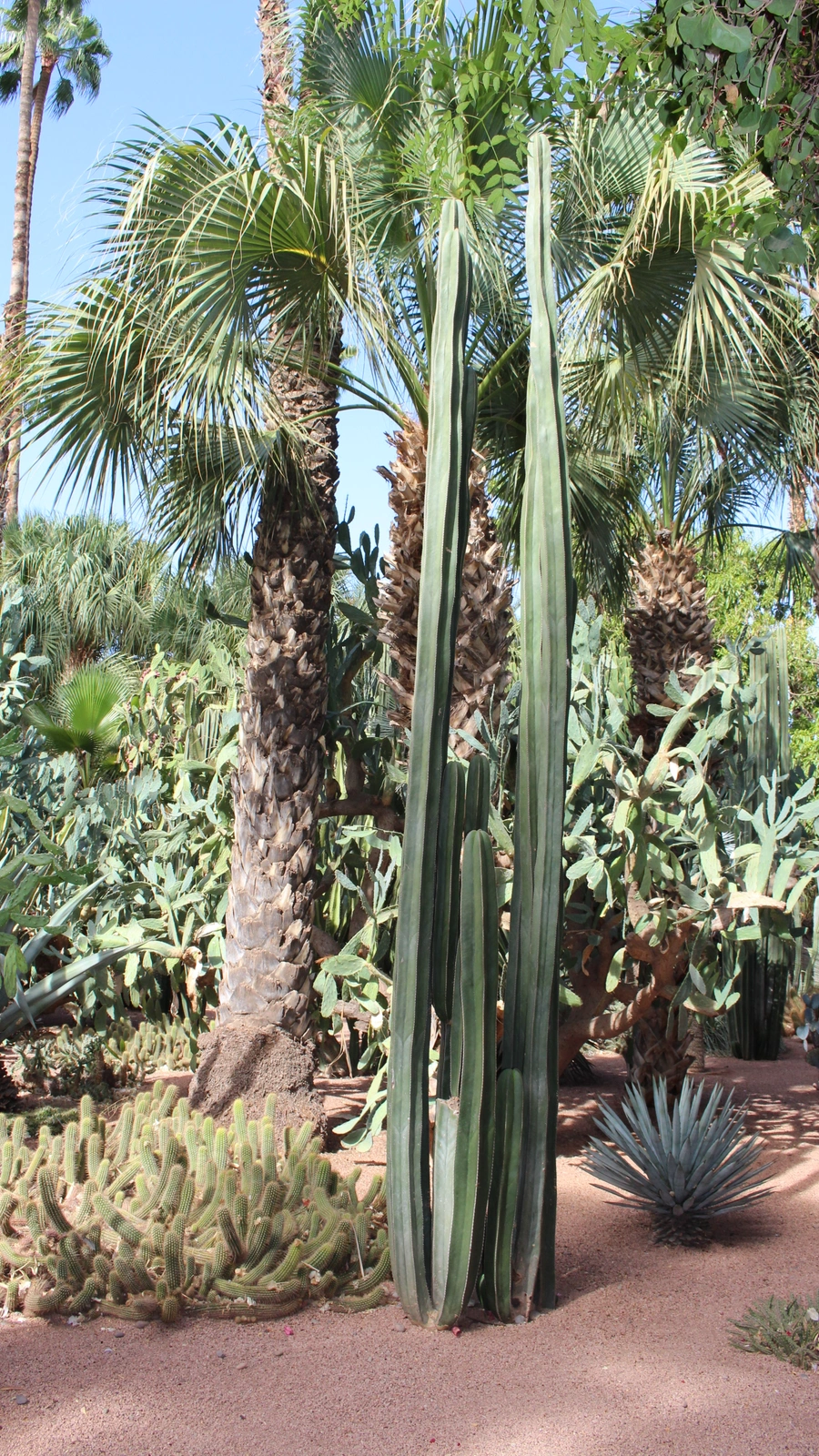 Reference image
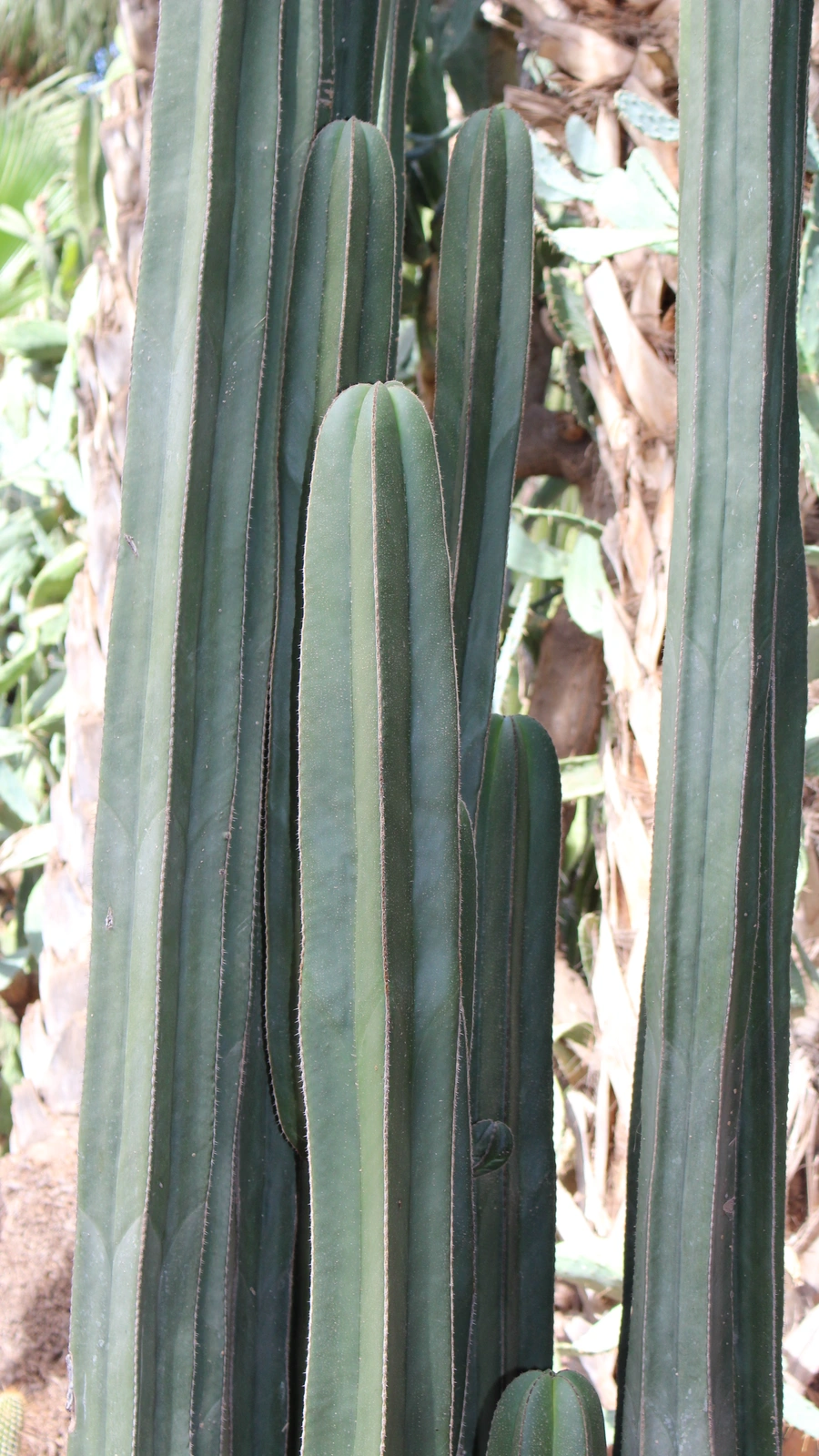 Reference image
Giant Columnar Cactus
Cereus ingens is a massive, tree-like succulent cactus belonging to the family Cactaceae 1. Renowned for its towering columnar form and resilience, it is a magnificent architectural specimen in dry gardens and large landscapes.
The species name ingens is derived from Latin, meaning "huge" or "immense", reflecting its towering stature 2. Belonging to the genus Cereus, it shares the typical night-blooming characteristics of its relatives.
Native to Brazil, this species thrives in seasonally dry tropical biomes, particularly within the Caatinga and semi-arid shrublands 1. It is highly adapted to skeletal soils on rocky slopes.
In its natural habitat, Cereus ingens can reach heights of 10 to 15 meters. It develops a thick, deeply ribbed columnar trunk with gray-to-brown spines clustered along the areoles. Nocturnal white flowers bloom during the warm months 2.
This species requires full, direct sun and exceptionally well-draining soil. Water thoroughly but allow the substrate to dry completely between applications. During winter, reduce watering to a bare minimum.
Overwatering and poor soil drainage are the leading causes of root rot in this species. Insufficient light exposure will result in thin, weakened columnar growth (etiolation).
Requires full, direct sun; shaded conditions will lead to etiolation.
Water only after the substrate dries completely; keep dry in winter.
Use a coarse, mineral-rich cactus mix with high drainage capacity.
Equipped with sharp spines; keep out of reach of pets and children.
Extremely low-maintenance and ideal for beginners who have bright locations.
Native to the seasonally dry tropical regions of Brazil, specifically thriving in the semi-arid Caatinga biome on rocky outcrops and sandy plains.
