
Light
Bright Indirect Light
Requires at least 6 hours of bright indirect light or filtered direct sun daily.
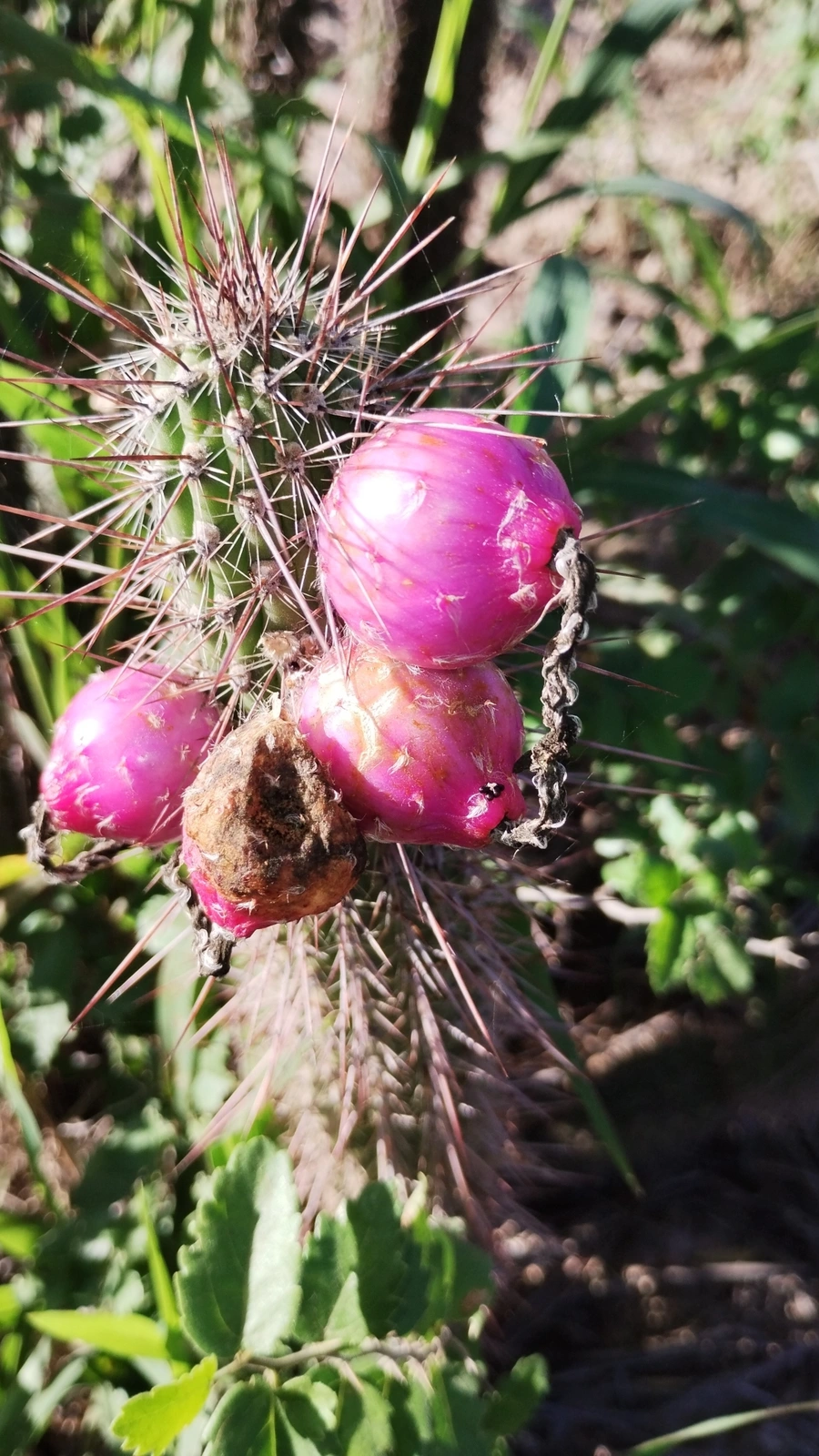 Reference image
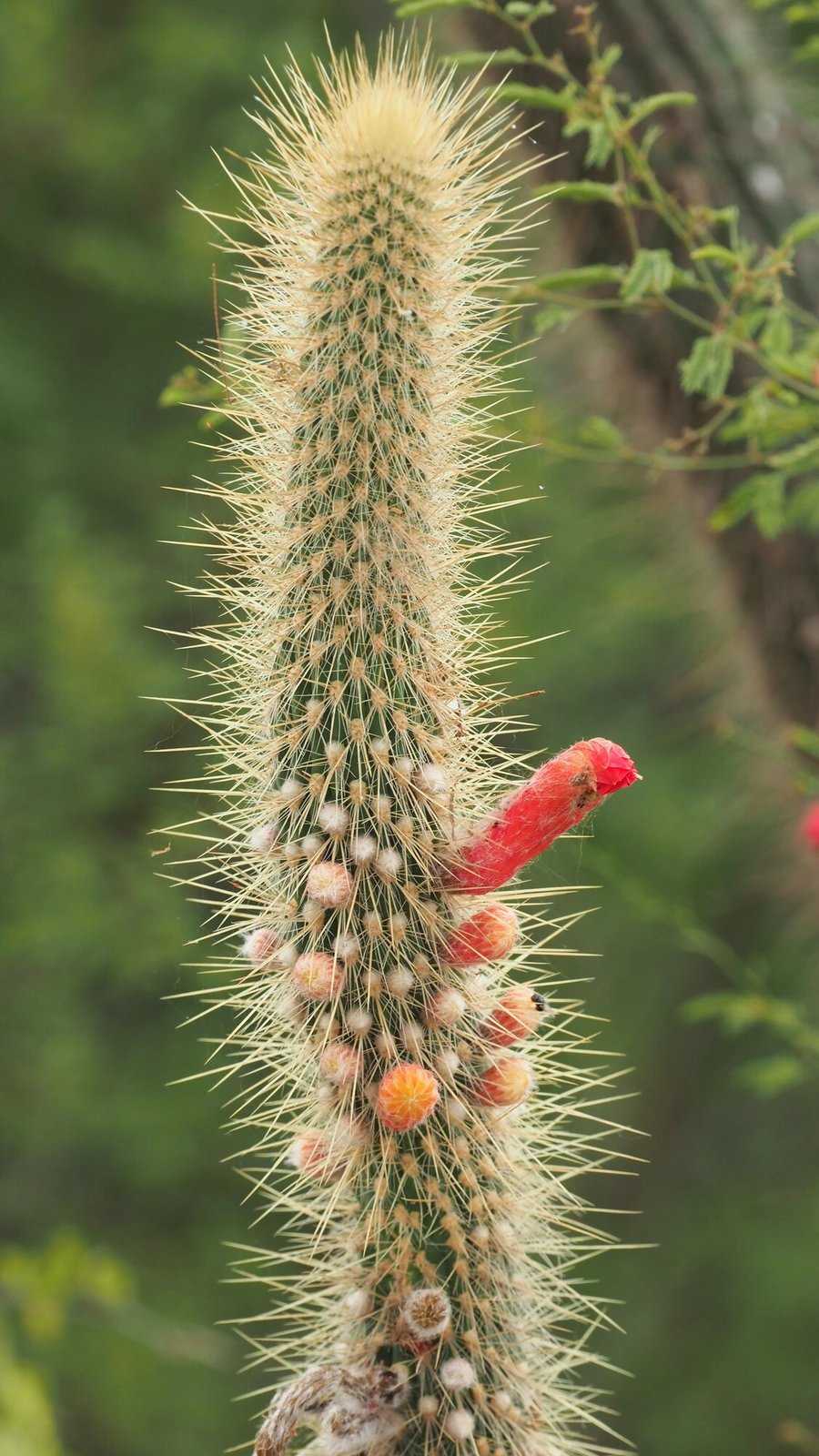 Reference image
Cereus jugatiflorus is a lesser-known, columnar cactus species belonging to the Cactaceae family. Adapted to arid conditions, it features succulent stems capable of storing significant water 1.
Classified under the genus Cereus, this species is recognized by its unique floral characteristics. Its scientific name Cereus jugatiflorus is documented in taxonomic databases such as Kew's Plants of the World Online 2.
This cactus is native to arid desert regions and dry shrublands. It thrives in well-drained, rocky soils on sunny slopes where rainfall is scarce and temperatures vary dramatically between day and night.
The columnar stem is marked by deep ribs with protective spines growing from the areoles. These spines serve to block excessive solar radiation. The nocturnal flowers are typically white to cream-colored.
In cultivation, it requires highly porous, sandy potting mixes. It thrives in bright indirect light or partial direct sun. Watering should only occur when the soil is completely dry, especially during the active growing season 1.
Overwatering and using pots without drainage holes are the most frequent causes of root rot. Lack of adequate light will lead to etiolation, causing the stems to grow thin and weak.
Requires at least 6 hours of bright indirect light or filtered direct sun daily.
Water only when the substrate is thoroughly dry; keep nearly dry in winter.
Use highly porous mineral mixes with pumice, perlite, and coarse sand.
Sharp spines can cause physical injury. Keep out of reach of children and pets.
Moderate care level; highly resilient if overwatering is strictly avoided.
Found naturally in the arid deserts and dry shrublands of South America, adapting well to nutrient-poor, rocky substrates.
