
Light
Full Sun
Full sun to direct sunlight; ideal for bright south- or west-facing windows.
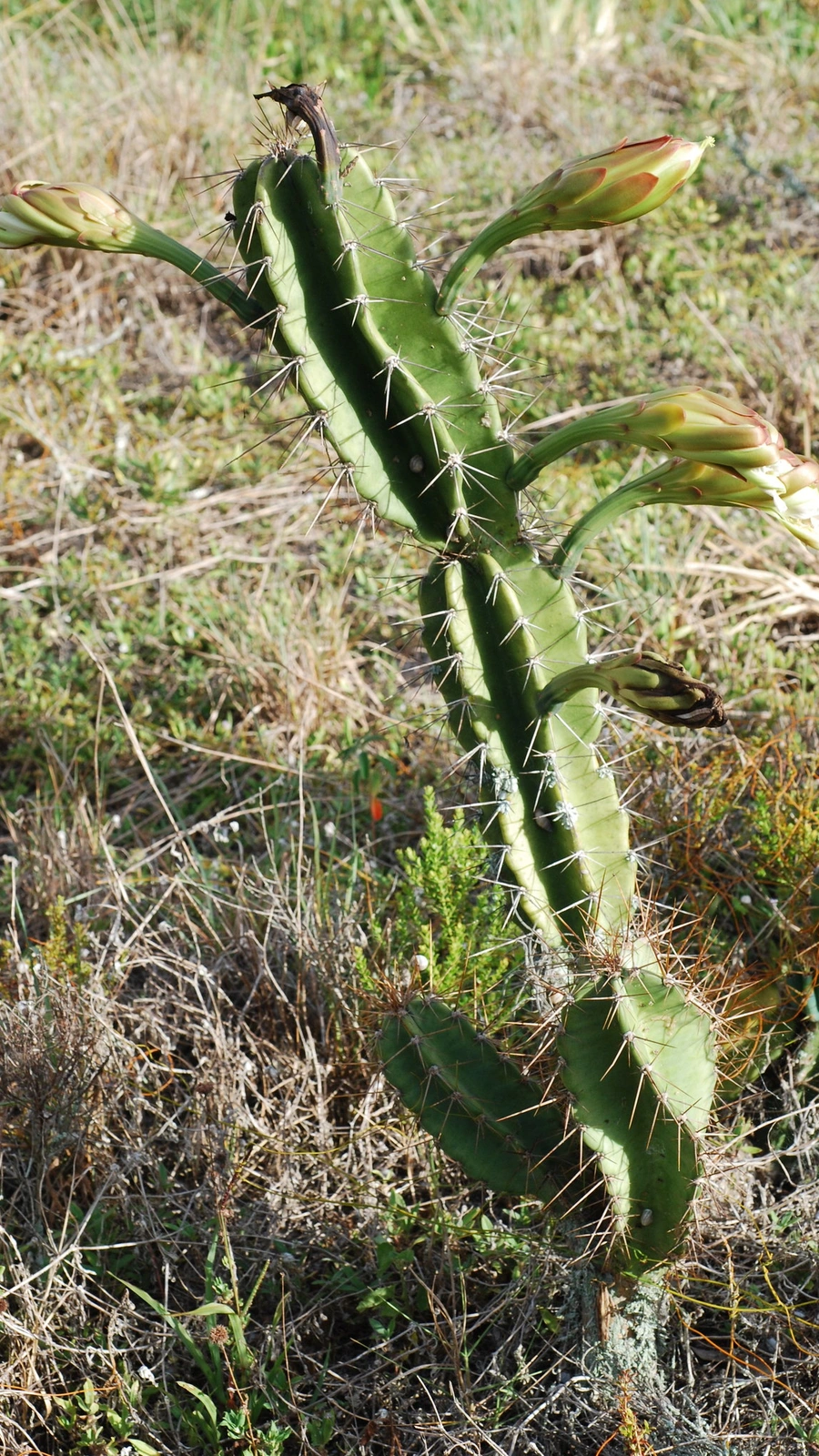 Reference image
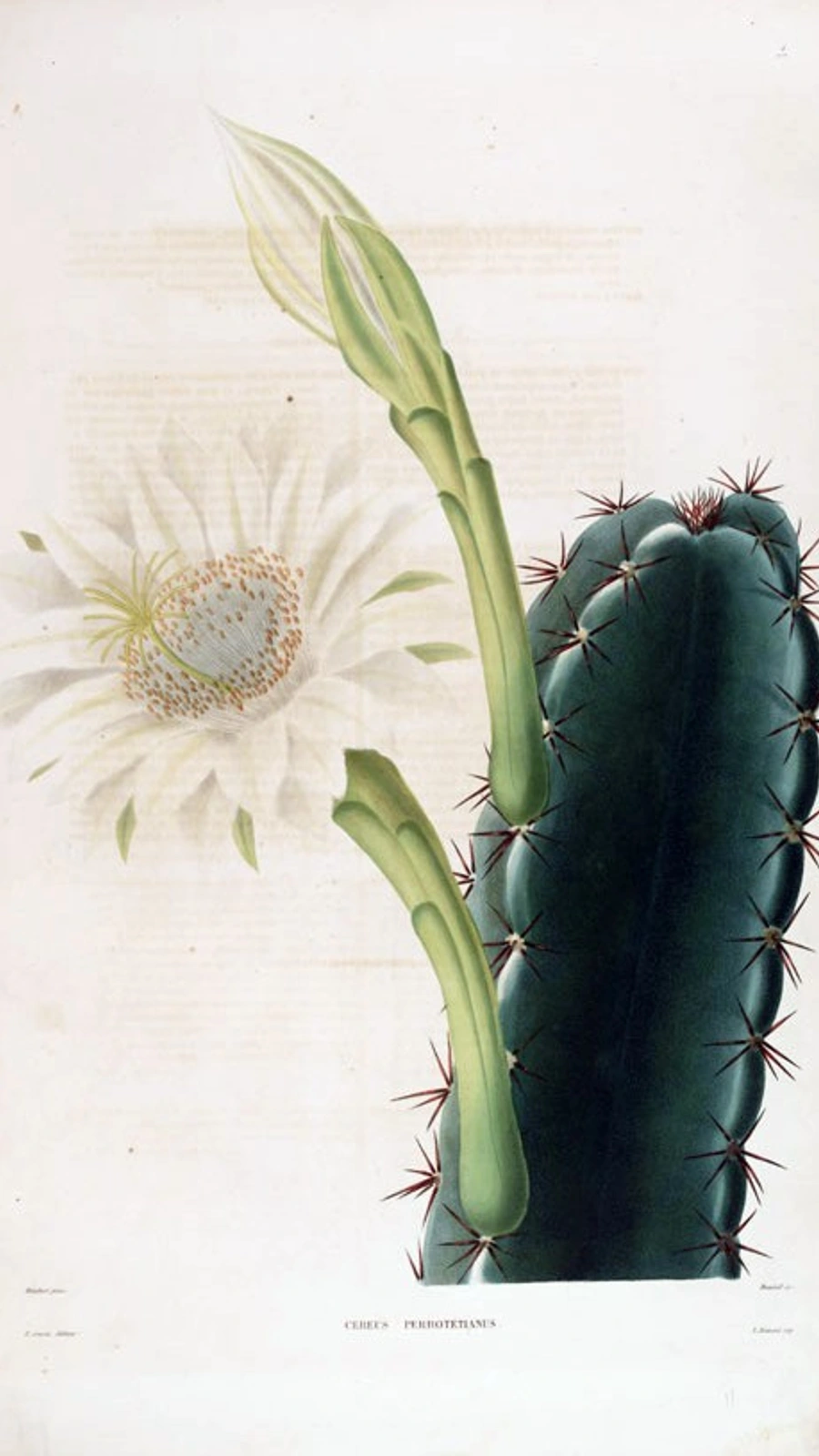 Reference image
Scaly Columnar Cactus
Cereus lepidotus is a striking columnar cactus species native to northern and western South America. Characterized by its tree-like or shrubby growth habit, this succulent plant is highly valued for its imposing stature, bluish-green stems, and robust rib structure. In cultivation, it serves as a dramatic architectural element in xeriscapes and bright indoor spaces.
Belonging to the family Cactaceae and the well-known genus Cereus, the species Cereus lepidotus is distinguished by the scale-like texture of its epidermal layers and specific areole spacing 1. It shares morphological traits with other large columnar cacti but is genetically distinct within its native range.
This species is naturally distributed across northern and western parts of South America, including Colombia, Ecuador, Venezuela, and several Caribbean islands 2. It thrives in seasonally dry tropical biomes, often clinging to rocky slopes or growing in sandy, nutrient-poor soils.
The stems are erect, branching with age, and feature deep longitudinal ribs. The margins of these ribs are adorned with woolly areoles bearing sharp, yellowish to grey spines. Its large, trumpet-shaped white flowers open at night to attract nocturnal pollinators like bats and moths.
Cereus lepidotus thrives under full sun and requires exceptionally well-draining soil. It is highly drought-tolerant, utilizing its thick stems to store water. Watering should follow a 'soak and dry' method, ensuring the substrate dries out completely between waterings.
Overwatering is the primary cause of failure, quickly leading to root rot. Additionally, keeping the plant in low-light conditions causes etiolation, where the stems stretch, weaken, and lose their natural robust shape.
Full sun to direct sunlight; ideal for bright south- or west-facing windows.
Soak thoroughly only when soil is 100% dry. Reduce to once a month in winter.
Extremely porous cactus mix blended with pumice, coarse sand, and perlit.
Features sharp spines. Place away from high-traffic areas, children, and pets.
Very easy for beginners, provided soil is kept dry and sun exposure is high.
Widely distributed throughout the dry tropical forests, arid coastal areas, and rocky slopes of Colombia, Ecuador, Venezuela, and neighboring Caribbean islands.
