
Light
Full Sun
Thrives in direct, intense sunlight; ideal for south or west-facing windows.
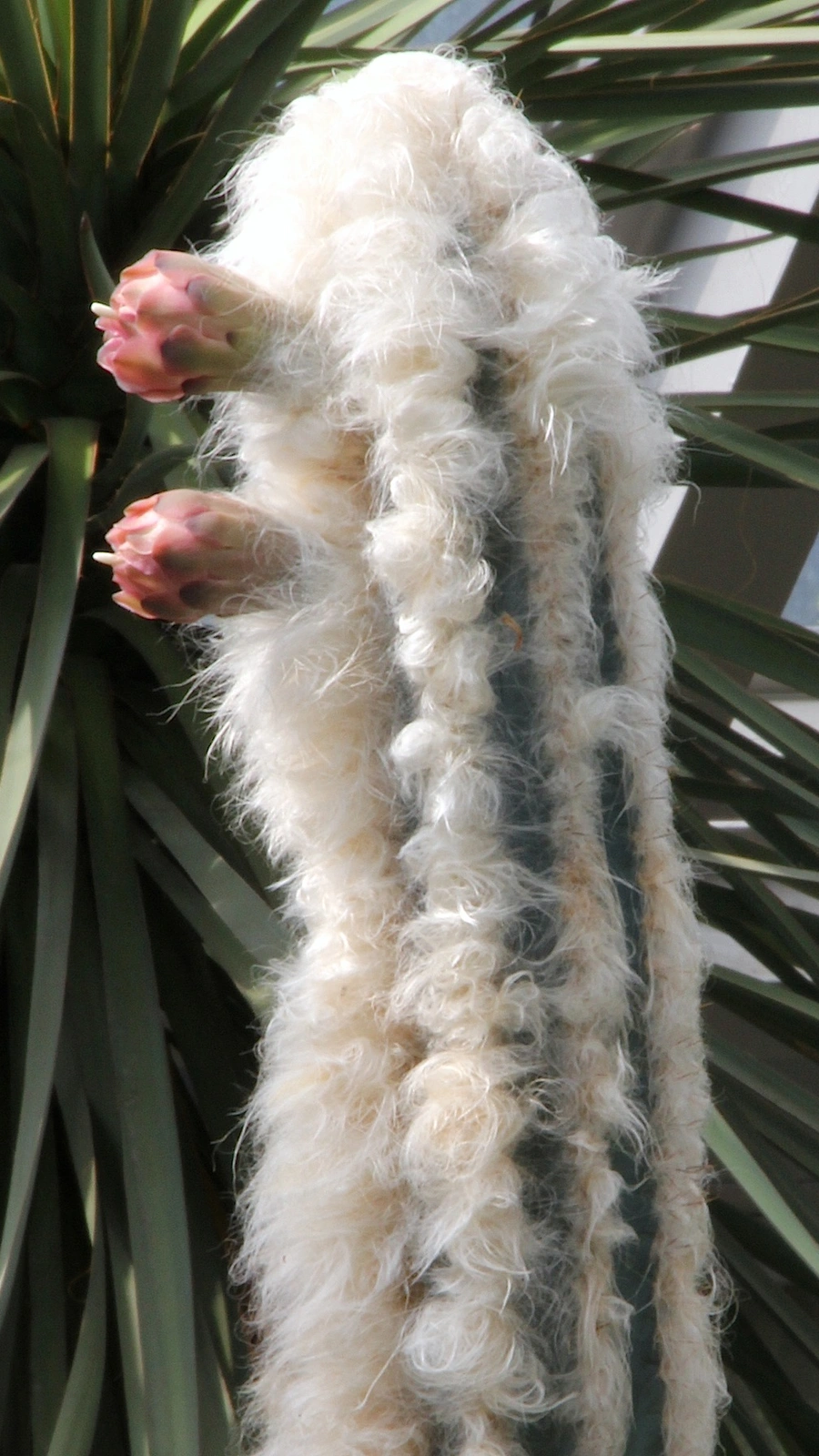 Reference image
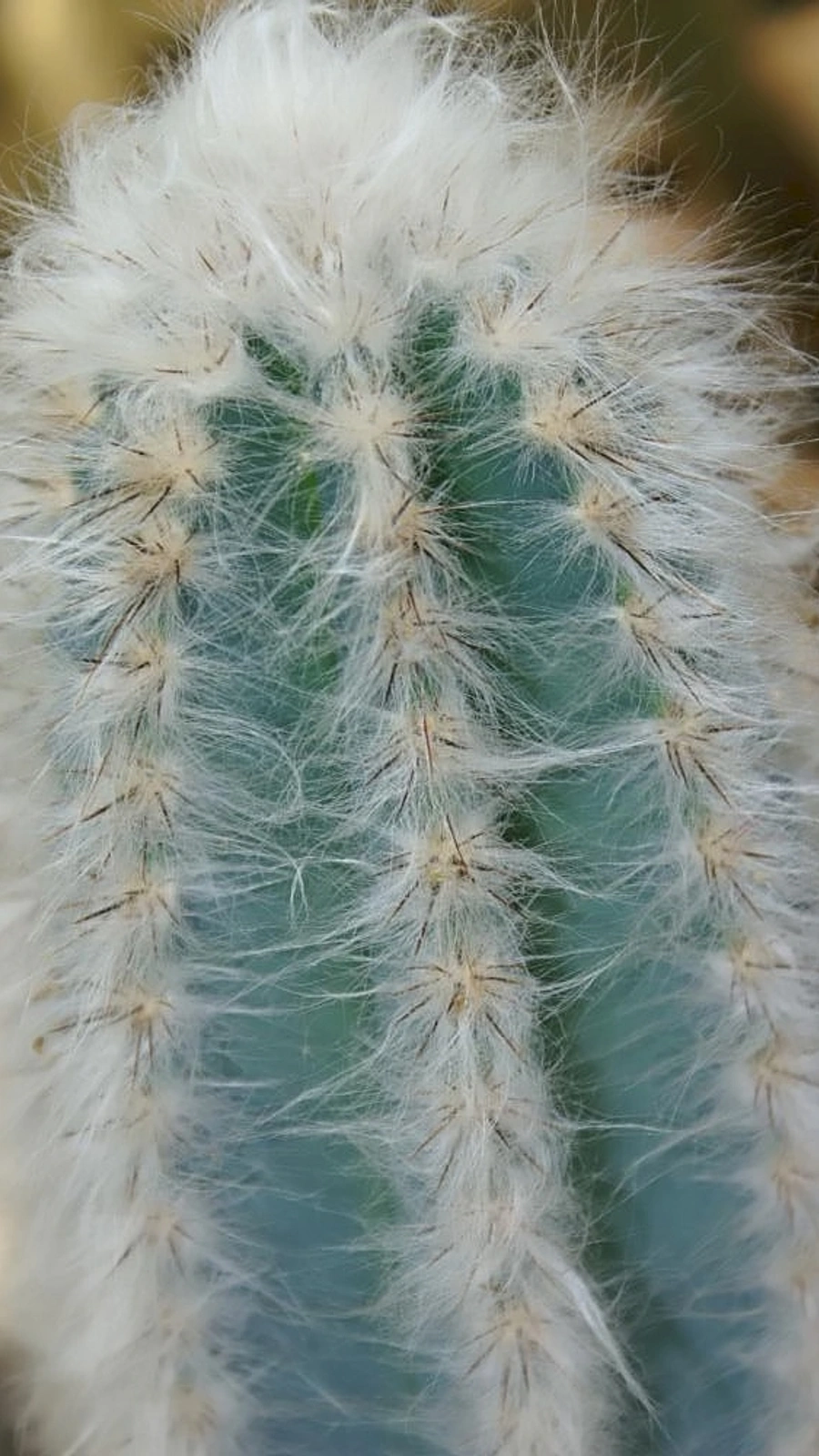 Reference image
Palmer's Columnar Cactus
Cereus palmeri is a remarkable columnar, drought-resistant cactus species belonging to the family Cactaceae. In its native arid landscapes, it can grow into a magnificent tree-like form, while in indoor cultivation and modern landscaping, it is highly valued for its striking, architectural, vertical growth habit.
Named in honor of the renowned botanist Dr. Edward Palmer, this species is classified under the genus Cereus 1. It is commonly known as Palmer's Columnar Cactus. Although taxonomic debates occasionally arise regarding its subspecies status, it maintains a distinct identity due to its unique ribbing and spine structure 2.
This species is primarily native to the arid semi-desert regions of Mexico, typically found growing on rocky slopes and dry valley floors 1. It thrives in well-draining, limestone-rich soils under intense sunlight and minimal relative humidity.
Cereus palmeri features a glaucous, bluish-green to grayish-green stem with deep vertical ribs. These ribs are adorned with clusters of rigid, greyish-brown spines. Mature specimens produce large, showy, night-blooming white to cream-colored flowers. The subsequent fleshy fruits are bright red and visually stunning 2.
In cultivation, this cactus requires a highly porous potting substrate composed of pumice, perlite, and coarse sand. Water thoroughly during summer only after the soil has completely dried out, and restrict watering to a bare minimum in winter 3. It thrives in south-facing locations with maximum direct sunlight.
Overwatering is the single most common cause of failure. Wet, soggy soil quickly leads to root and stem rot. Furthermore, keeping the cactus in high temperatures and high humidity during its winter dormancy period can prevent it from blooming.
Thrives in direct, intense sunlight; ideal for south or west-facing windows.
Allow soil to dry out completely between waterings. Water sparingly in winter.
Slightly acidic to neutral, extremely free-draining cactus mix with pumice.
Equipped with sharp spines; keep out of reach of active pets and children.
Very low maintenance; extremely tolerant of neglect and drought.
Native to the dry, stony valleys and sun-drenched semi-desert terrains of Mexico.
