
Light
Direct Sun
Requires full sun and bright direct light for robust growth.
 Reference image
 Reference image
Paraguayan Cereus
Cereus paraguayensis is a striking, columnar cactus species belonging to the family Cactaceae. Known for its upright, tree-like growth and deeply ribbed stems, it is a resilient and low-maintenance ornamental plant 1.
Classified under the genus Cereus, this species was documented and named after Paraguay, representing its primary geographic distribution. Its scientific name reflects its native roots in Southern South America 2.
This cactus is native to Paraguay and neighboring regions of Southern South America 1. It thrives in semi-arid environments, rocky outcroppings, and sandy soils where drainage is optimal and rainfall is seasonal.
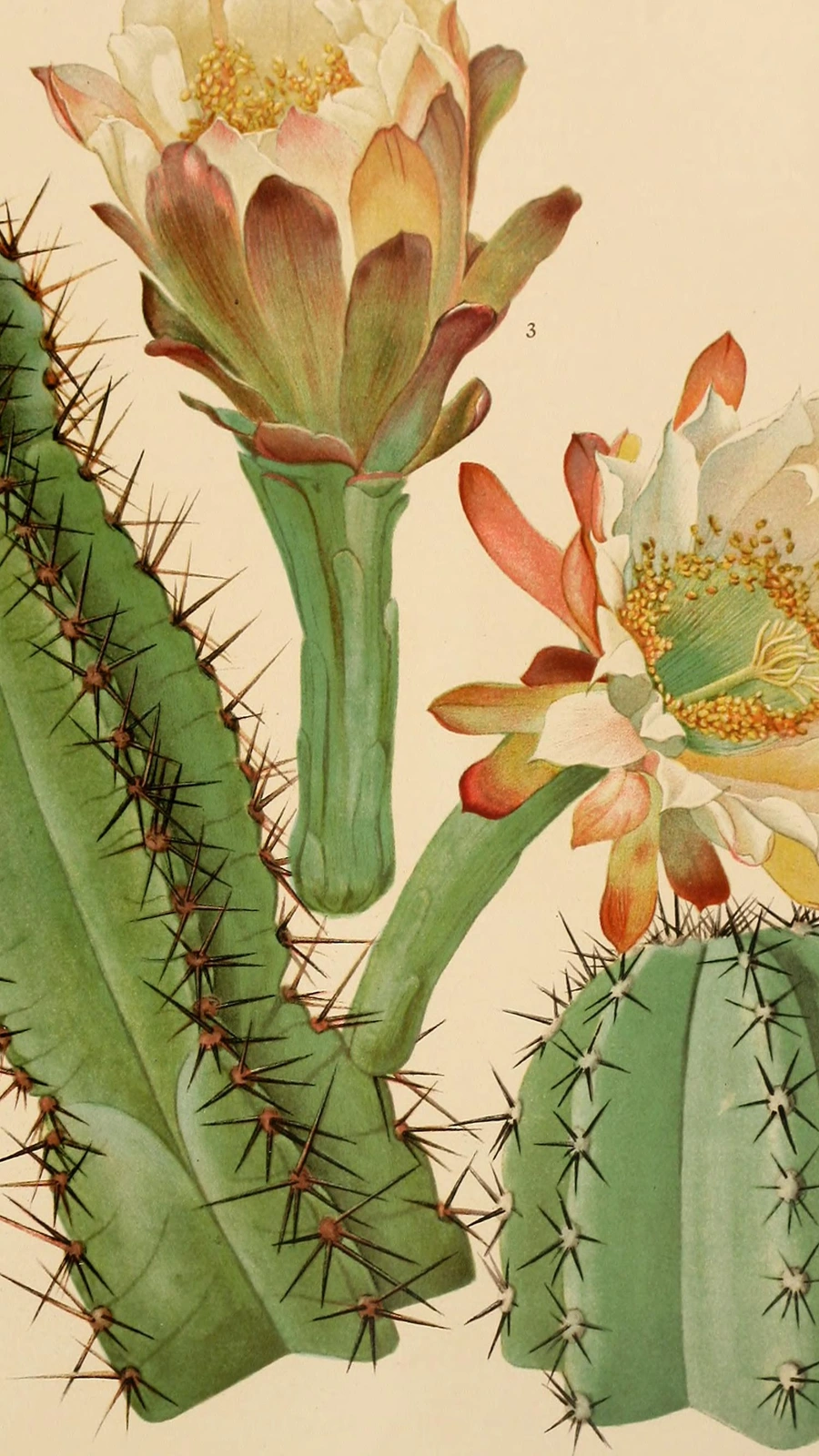
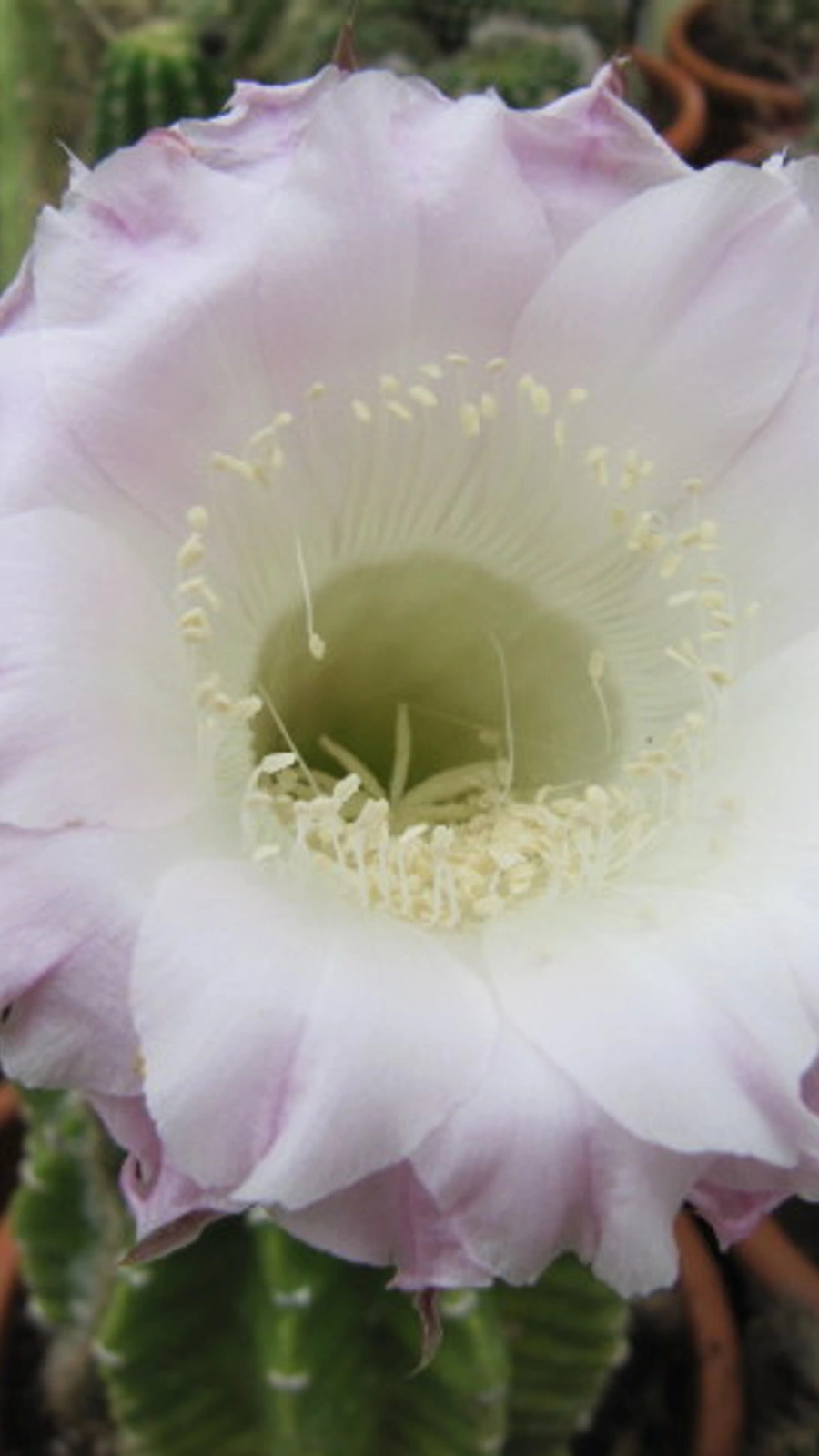
Cereus paraguayensis features a glaucous blue-green stem with prominent ribs. Spines emerge from pronounced areoles along the rib margins. During its mature stage, it produces large, nocturnal white flowers that open for a single night 2.
It prefers full sun and extremely well-draining soil. Irrigation should follow the 'soak and dry' method, allowing the substrate to dry completely between waterings. Protect it from freezing temperatures during winter.
Overwatering is the primary cause of decline. Using heavy, moisture-retentive soils without adequate drainage will quickly lead to root rot and fungal infections 1.
Requires full sun and bright direct light for robust growth.
Always allow the soil to dry out fully before re-watering.
Coarse, well-draining mineral mix with pumice or perlite.
Sharp spines; handle with gloves and keep away from pets.
Highly drought-tolerant, making it excellent for beginners.
Natively distributed across the dry forests and rocky slopes of Paraguay, where it endures hot summers and dry winters.
