
Light
Full Sun
Requires full, direct sun; insufficient light causes etiolation and weak growth.
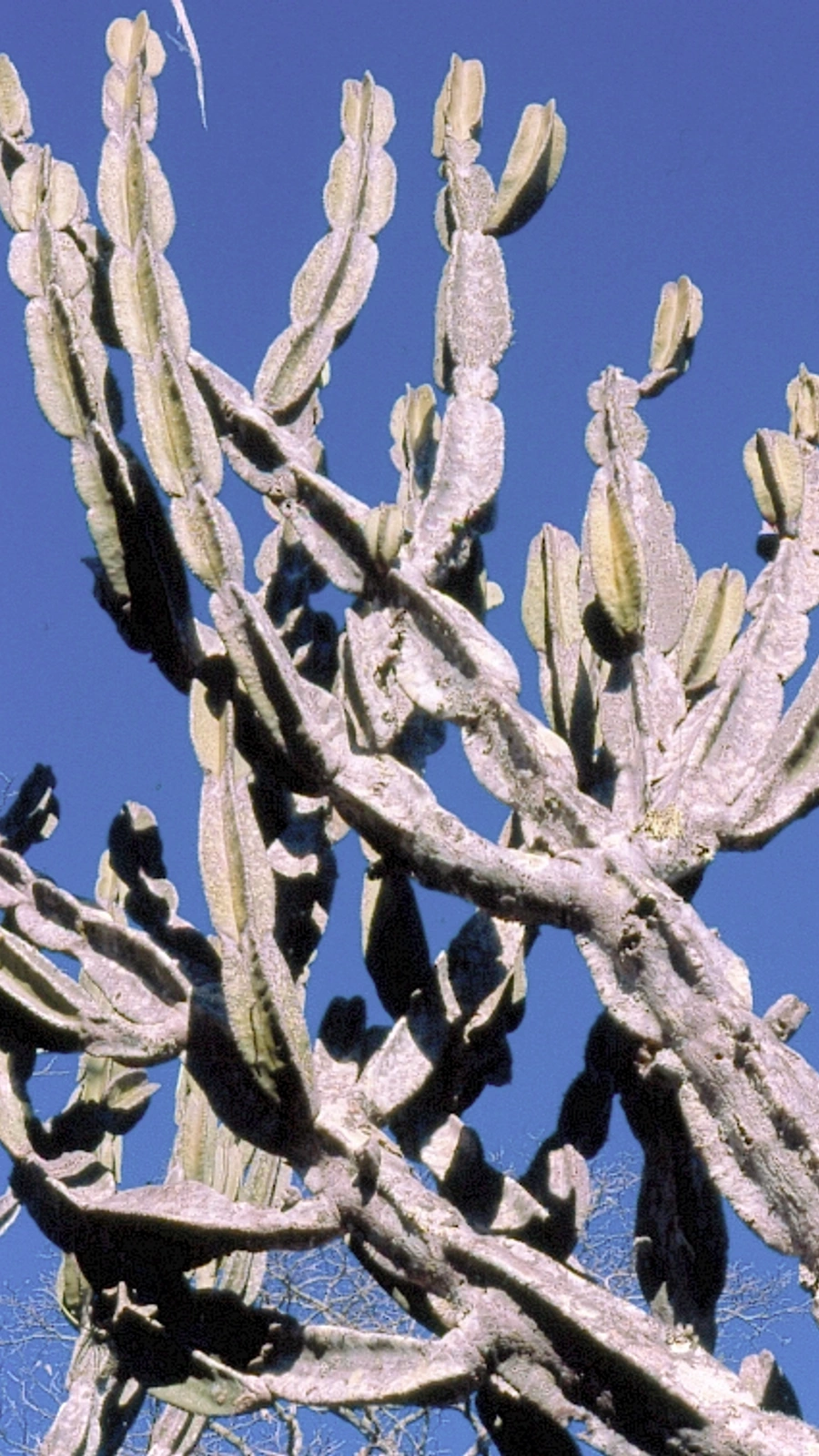 Reference image
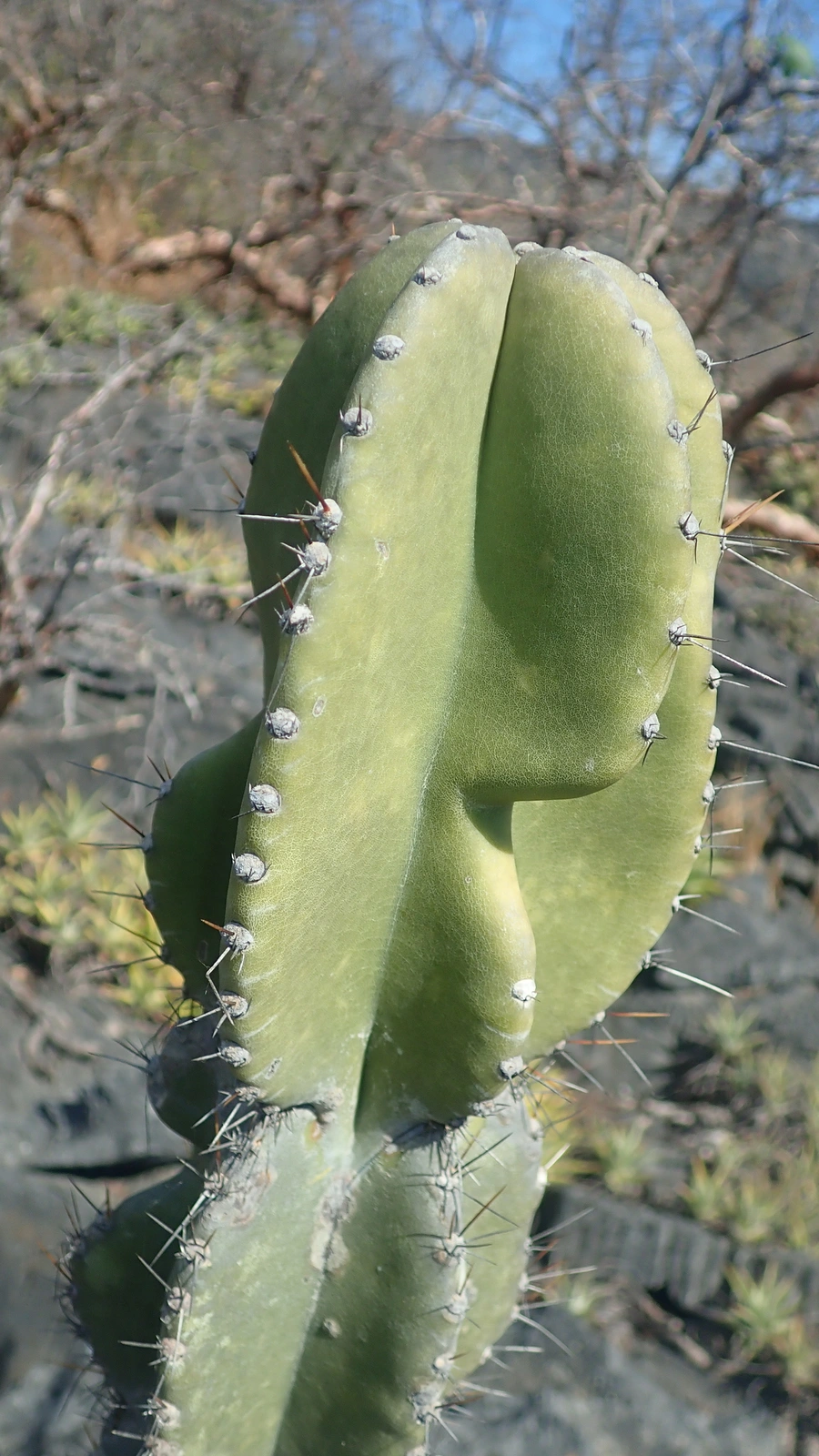 Reference image
Pierre-braunianus Columnar Cactus
Cereus pierre-braunianus is a magnificent, upright, columnar cactus belonging to the Cactaceae family. Capable of reaching large, tree-like proportions in its native habitat, this special plant is one of the rare and prized cacti endemic to Brazil 1.
Belonging to the genus Cereus within the Cactaceae family, this species was named in honor of the renowned botanist Pierre J. Braun. First described in the early 1990s, it is distinguished from other Cereus species by its stem coloration, prominent rib structures, and floral morphology 2.
This cactus is endemic to central-western Brazil (specifically Goiás, Distrito Federal, and Mato Grosso regions), where it grows in seasonally dry tropical forests and on limestone outcrops within the cerrado and caatinga transition zones 1. Its natural populations are currently threatened by habitat loss due to agriculture.
The stems are greyish-green to matte green, branching from a well-defined main trunk that becomes woody with age. It features prominent vertical ribs adorned with greyish-brown, sharp spines arising from distinct areoles. The large, funnel-shaped white flowers typically bloom at night and are pollinated by nocturnal insects.
In cultivation, it demands high light levels, warmth, and excellent ventilation. It thrives in gritty, mineral-rich, well-draining cactus soils. Watering should be thorough but infrequent during summer, allowing the substrate to dry out completely, and kept to a bare minimum in winter.
Overwatering, lack of adequate sunlight, and using heavy, clay-rich garden soil are the primary causes of root rot. Keeping the plant in cold, damp conditions during winter will trigger fungal diseases and black spots on the epidermis.
Requires full, direct sun; insufficient light causes etiolation and weak growth.
Allow soil to dry out completely between waterings; keep almost bone dry in winter.
Requires extremely well-draining, mineral-heavy cactus soil with pumice and sand.
Has sharp, rigid spines. Keep out of reach of children and domestic pets.
A highly resilient cactus provided it receives adequate sunlight and is not overwatered.
Native to the interior of Brazil, it thrives in seasonally dry tropical biomes, commonly anchoring itself directly on limestone rocks and outcrops.
