
Light
Full Sun
Requires full, direct sun; insufficient light causes weak, stretched growth.
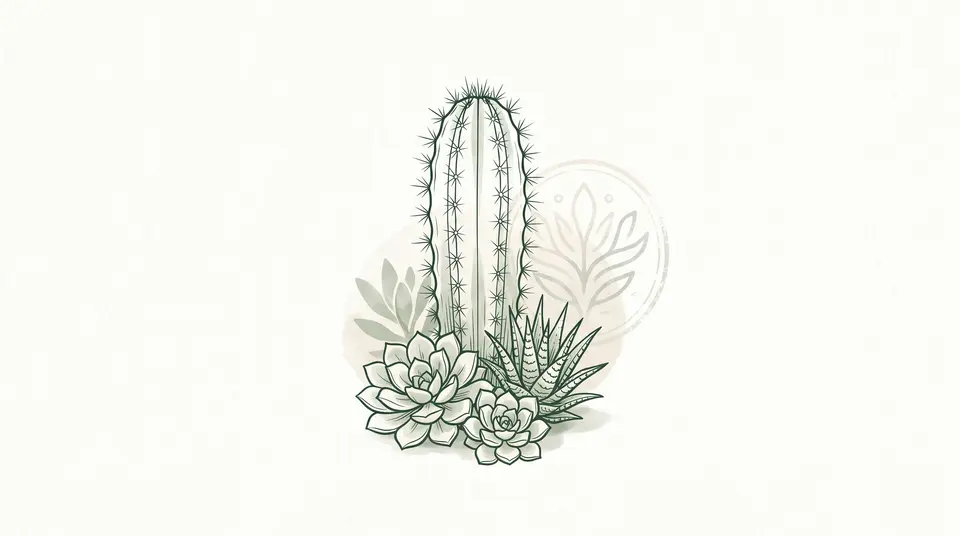 Reference image
Resupinatus Columnar Cactus
Cereus resupinatus is a columnar cactus belonging to the genus Cereus within the Cactaceae family. It remains a somewhat enigmatic taxon with ongoing debates regarding its distinct species status or synonymy 1. It is characterized by its erect growth, ribbed stems, and prominent spines.
Originally described under the binomial name Cereus resupinatus, modern botanical databases often treat this taxon as a synonym or local form of wider Cereus species, such as Cereus repandus 2. The specific epithet 'resupinatus' refers to a bent back or inverted positioning of certain plant organs.
While its precise geographical range is under-documented due to taxonomic classification shifts, it belongs to the dry scrublands and rocky slopes of South America, the primary evolutionary hub of the Cereus genus 3. It thrives in high-exposure, mineral-rich, well-draining soils.
This plant features erect, cylindrical, green to bluish-green stems divided into deep ribs. Areoles bear stiff, greyish to dark spines. Mature specimens produce large, nocturnal, funnel-shaped flowers that are white or cream, adapted for moth pollination 2.
In cultivation, it is highly valued for its architectural shape and low-maintenance requirements. It needs intense sunlight, dry air, and a potting medium with superior drainage. Watering should be minimized during its winter dormancy.
Overwatering and poor aeration are the most frequent causes of failure. Cultivating this cactus in heavy, compacted soils or under low light leads to etiolation (stretching) and root rot 3.
Requires full, direct sun; insufficient light causes weak, stretched growth.
Water deeply only when the substrate is 100% dry.
Use a specialized cactus mix with excellent drainage properties.
Has sharp spines; keep out of reach of children and pets.
Extremely resilient; survives neglect and prolonged drought easily.
Native to the arid valleys, rocky slopes, and dry shrublands of South America. It has adapted to survive in regions with intense solar radiation and prolonged dry seasons.
