
Light
Bright Indirect Light
Thrives in bright, indirect sunlight; protect from intense, scorching afternoon sun to prevent sunburn.
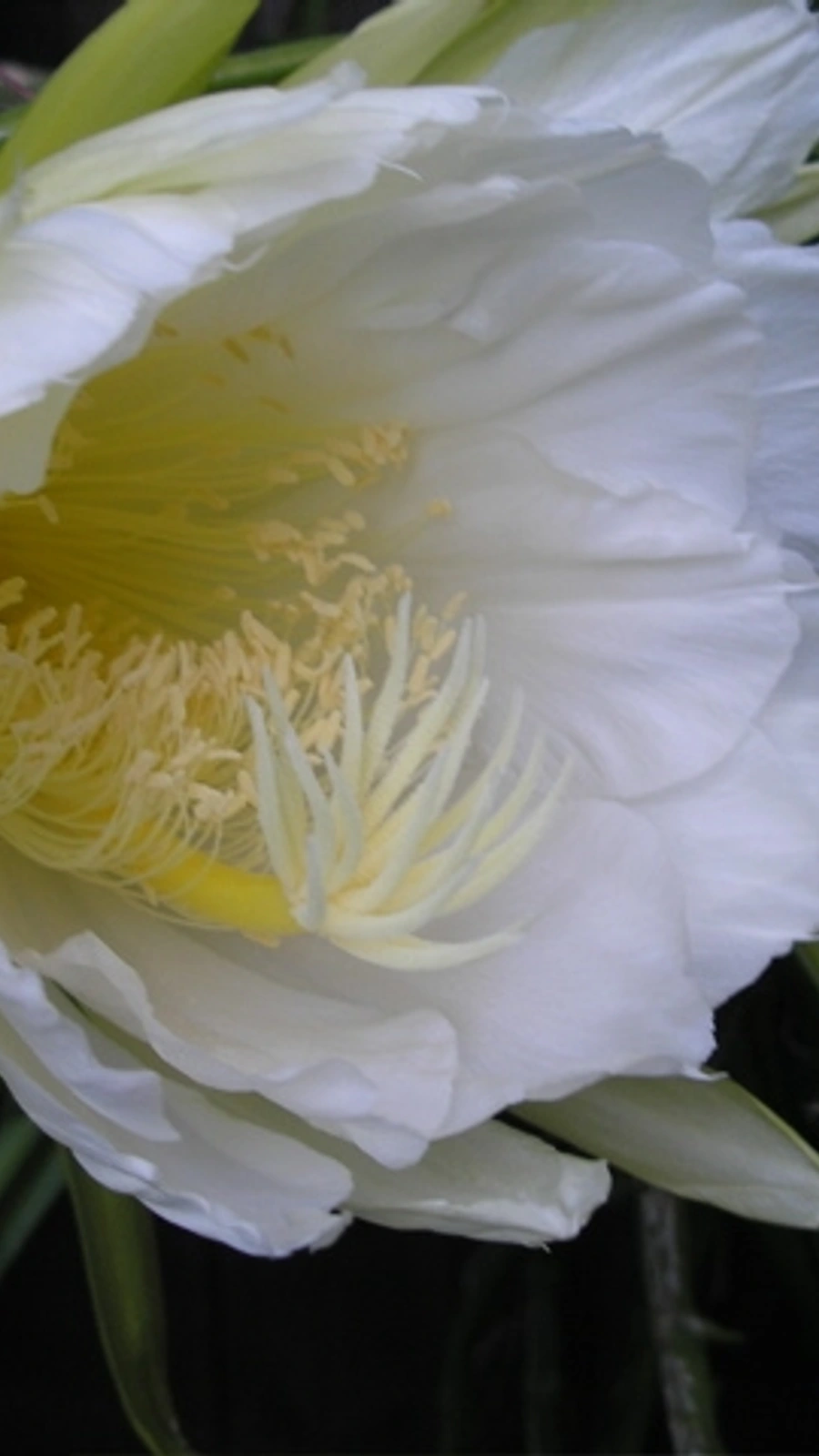 Reference image
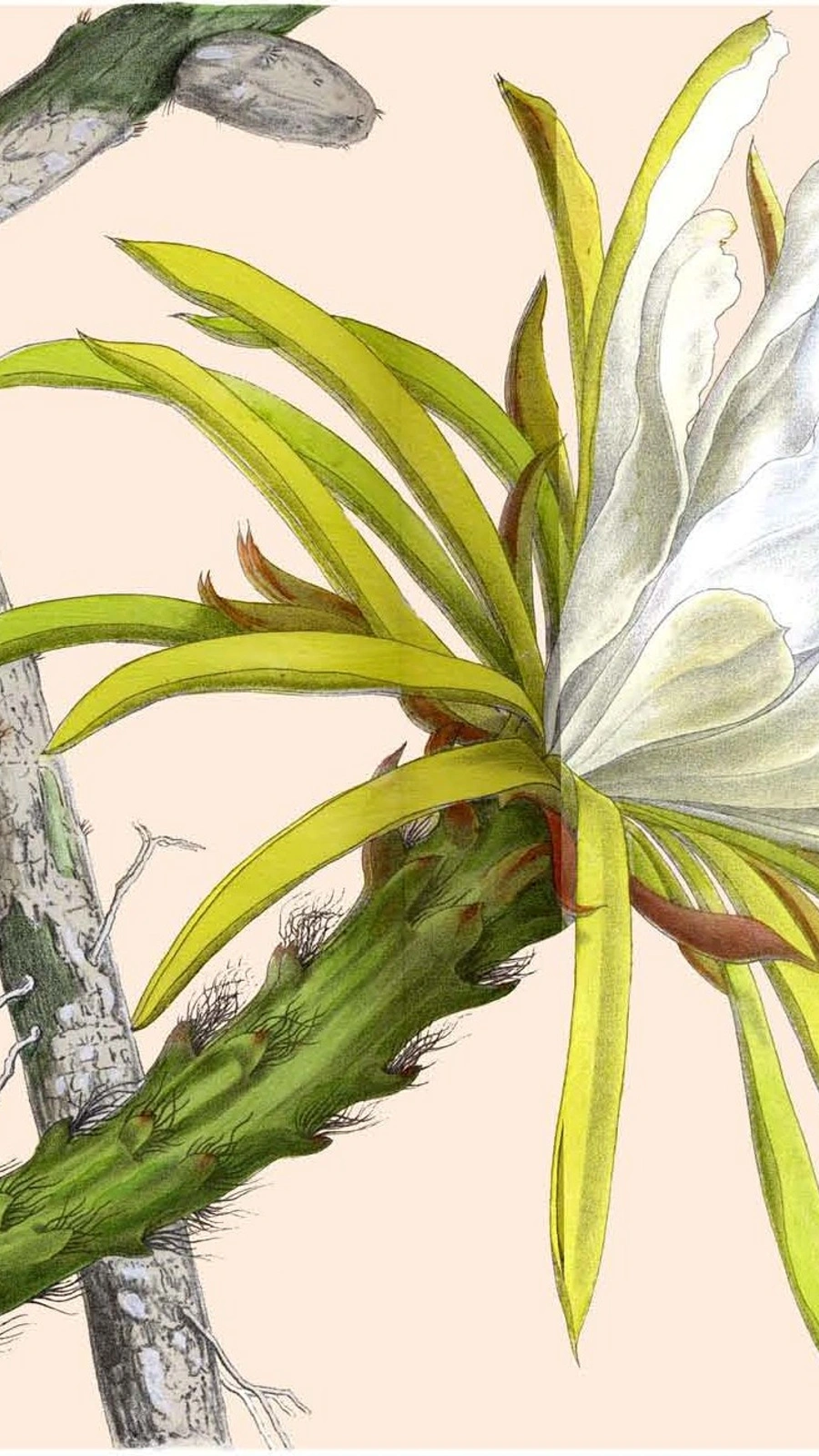 Reference image
Beaked Columnar Cactus
Cereus rostratus is a relatively rare, climbing or semi-shrubby columnar cactus belonging to the family Cactaceae. Native to the dry, coastal shrublands of the Caribbean islands, this species is appreciated by collectors for its slender ribbed stems and spectacular, nocturnal white flowers 1.
Classified under the genus Cereus, the specific epithet 'rostratus' means 'beaked' in Latin, referring to the characteristic beak-like shape of its flower buds or developing fruits. It is documented in historical botanical databases and maintains its unique position among Caribbean cacti 2.
This species is native to the Caribbean, specifically found across the Windward and Leeward Islands, including the Virgin Islands, Anguilla, and Bonaire. It thrives in dry, rocky, limestone-rich coastal scrublands, where it often climbs over other vegetation or drapes down rocky cliffs 1.
The stems are slender, typically featuring 3 to 5 distinct ribs, colored light green to grayish-green. The areoles bear short, sharp spines. Its nocturnal flowers are large, funnel-shaped, and creamy white. They open late in the evening and wither by mid-morning, adapted for pollination by nocturnal moths 2.
Cereus rostratus requires extremely well-draining, gritty soil to prevent root rot. It thrives in bright, filtered sunlight and enjoys warm temperatures. Watering should be deep but infrequent, allowing the potting substrate to dry out entirely between sessions 1.
The most prevalent mistake is overwatering, particularly in heavy clay soils that retain moisture. Cold, damp winter drafts combined with wet roots can rapidly cause irreversible stem rot and fungal diseases 2.
Thrives in bright, indirect sunlight; protect from intense, scorching afternoon sun to prevent sunburn.
Water only when the substrate is completely dry. Keep nearly bone-dry during winter months.
Requires an airy, highly porous mix enriched with coarse sand, pumice, and perlite.
Non-toxic, but the sharp spines pose a physical hazard to curious pets and children.
Moderate. It is easy to care for as long as you avoid overwatering and protect it from frost.
It originates from the tropical dry forests and coastal limestone terraces of the Caribbean archipelago. The species is highly adapted to salty sea breezes, rocky substrates, and prolonged periods of drought typical of these islands.
