
Light
Direct Sun
Requires at least 6 hours of direct sunlight daily to maintain its structural rigidity and spine density.
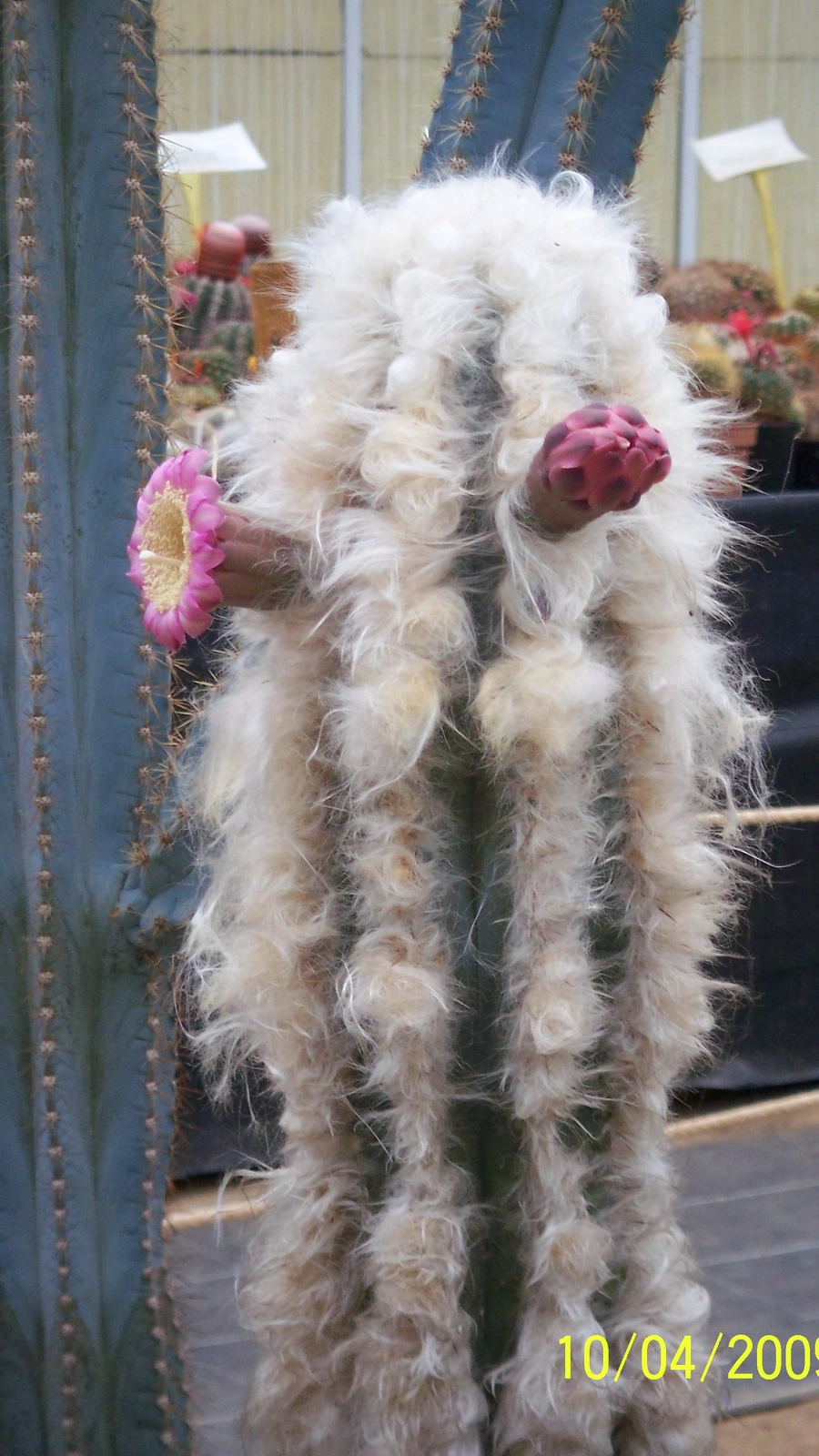 Reference image
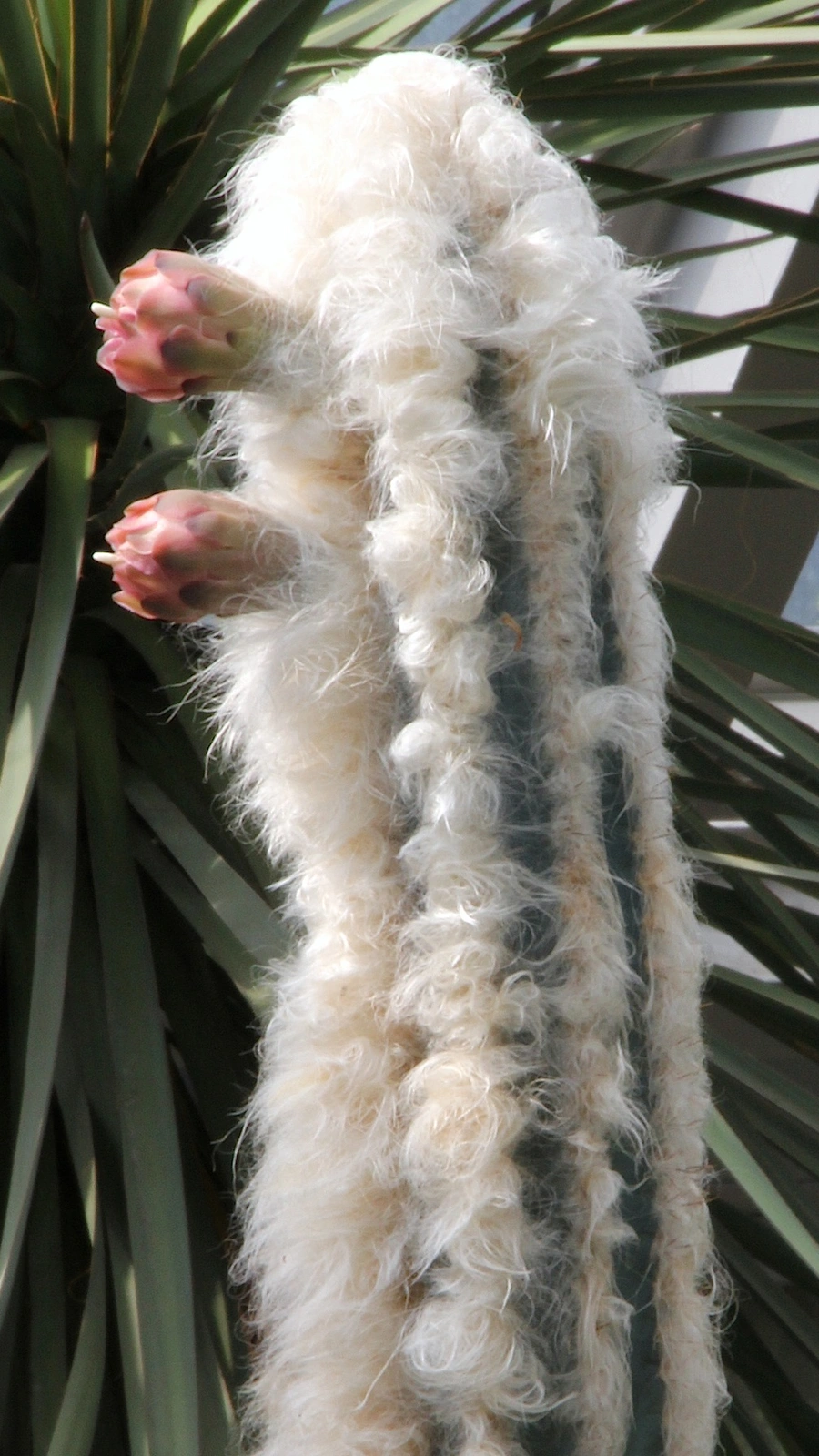 Reference image
Sartorius Columnar Cactus
Cereus sartorianus is a striking, columnar cactus species within the Cactaceae family, prized for its architectural form and dramatic presence in desert landscapes and indoor collections alike 1.
Described initially by Karl Schumann, Cereus sartorianus shares close taxonomic ties with the Acanthocereus genus and is often treated as a synonym or close relative of Acanthocereus tetragonus 2. The specific epithet honors Florentin Sartorius, an early collector of Mexican plants.
This species is native to the dry tropical forests and rocky slopes of Mexico, particularly concentrated in Veracruz. It thrives in arid conditions, growing in well-drained, limestone-rich soils under intense sunlight 1.
It features ribbed, grayish-green stems, typically with 3 to 5 prominent angles. The margins are lined with sharp, brownish-gray spines arising from distinct areoles. Mature specimens produce large, fragrant, white funnel-shaped flowers that open during summer nights 2.
To thrive, it requires full sun exposure and an open, gritty potting medium. Water thoroughly during the active growing season only when the soil has completely dried out, and keep virtually dry in winter.
Overwatering is the primary cause of failure, quickly leading to root and stem rot. Insufficient light exposure results in weak, thin growth and loss of its robust structure.
Requires at least 6 hours of direct sunlight daily to maintain its structural rigidity and spine density.
Use the 'soak and dry' method; never let the pot sit in standing water, especially in winter.
A mineral-heavy mix containing pumice, perlite, and coarse sand with minimal organic matter is ideal.
Equipped with sharp, rigid spines that can easily puncture skin; keep away from high-traffic areas, children, and pets.
Classified as moderate due to its strict sunlight requirements and susceptibility to overwatering.
Native to the tropical deciduous forests and dry scrublands of Veracruz, Mexico, adapting perfectly to prolonged dry seasons.
