
Light
Bright Indirect Light
Requires abundant bright indirect light or filtered sun; avoid harsh midday sun.
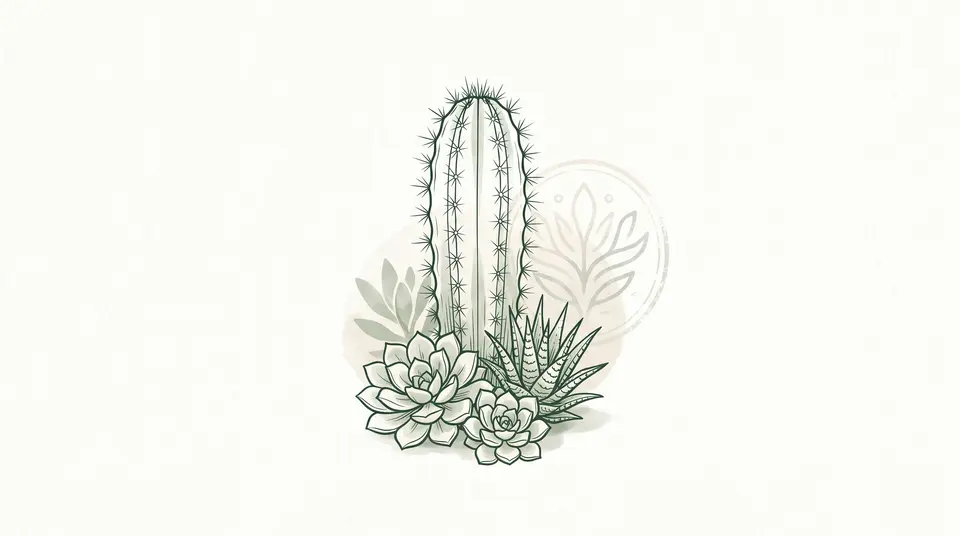 Reference image
Bristly Columnar Cactus
Cereus setosus is a unique columnar cactus belonging to the family Cactaceae. Recognized by its distinct bristly spines and segmented green ribs, this species is highly valued among collectors for its sculptural appearance. It is well-adapted to survive prolonged dry spells by storing substantial water in its fleshy stems 1.
Classified within the genus Cereus, the specific epithet setosus derives from Latin, meaning "bristly" or "covered with stiff hairs." This refers to the fine, stiff, hair-like spines growing from its woolly areoles. Taxonomic databases identify this plant through its specific spine formation, which distinguishes it from related columnar cacti 2.
This species is native to the arid and semi-arid regions of South America, notably the Caatinga dry forest and shrubland biomes of Brazil. It typically grows on rocky outcroppings, sandy substrates, and steep hillsides where rainwater drains rapidly, receiving high heat and intense sunlight during the growing season 1.
Cereus setosus features cylindrical stems divided into 5 to 8 vertical ribs. The stems exhibit a light-green to grayish-green coloration. Its areoles are packed with fine, yellowish to silvery-white bristly spines. When mature, it produces large, night-blooming white flowers that are funnel-shaped and highly fragrant, designed to attract nocturnal pollinators.
In cultivation, it requires bright indirect light or filtered sunlight to thrive without scorching. Watering should be thorough but infrequent, allowing the soil to dry out completely. A coarse, well-draining potting mix combined with a container featuring drainage holes is essential to prevent root decay 2.
The most prevalent issue is overwatering during the winter dormancy period, leading to fungal rot. Insufficient lighting will cause the stems to etiolate, making them weak, thin, and prone to bending.
Requires abundant bright indirect light or filtered sun; avoid harsh midday sun.
Water only when the substrate is completely dry. Keep nearly dry during winter months.
Use a specialized fast-draining cactus mix amended with pumice, perlite, and coarse sand.
Spines are fine and hair-like but stiff. Handle with care. Safe and non-toxic to pets.
Very easy to care for as long as overwatering and poorly draining soil are avoided.
Native to the Caatinga biome of Brazil, where it grows naturally on rocky hillsides and sandy soils subject to distinct wet and dry seasons.
