
Light
Full Sun
Thrives best in full, direct sunlight; south or west-facing windows are ideal.
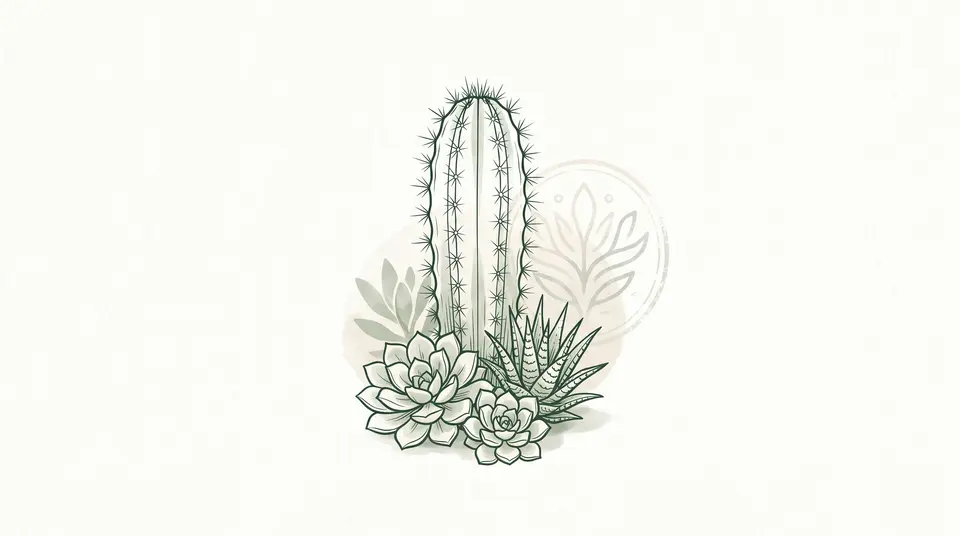 Reference image
Cereus similis is a columnar cactus belonging to the family Cactaceae. Known for its upright, architectural growth, this species exhibits the typical resilience and geometric beauty characteristic of the genus Cereus.
The genus name Cereus derives from the Latin word for candle or torch, referencing the slender, upright growth habit of these plants 1. The specific epithet similis translates to 'similar' or 'resembling', pointing to its morphological likeness to other closely related columnar species within its habitat 2.
Cereus similis is native to the semi-arid and arid regions of South America. It thrives on rocky slopes, dry shrublands, and open areas with high solar exposure and extremely well-draining soils.
The plant features ribbed, light-green to grayish-green columns adorned with sharp spines arising from distinct areoles. In maturity, it produces large, fragrant, nocturnal white flowers designed to attract nocturnal pollinators like moths and bats.
In cultivation, it requires a coarse, mineral-heavy substrate with excellent drainage. It thrives under full sun and demands minimal watering. Water thoroughly during the hot summer months only after the soil has dried out completely, and keep it dry during the cold winter dormancy.
Overwatering is the primary cause of failure, leading to root rot. Lack of adequate light will cause the stems to stretch, weaken, and lose their vibrant color, a physiological process known as etiolation.
Thrives best in full, direct sunlight; south or west-facing windows are ideal.
Allow the potting mix to dry out completely between waterings. Reduce watering to a minimum in winter.
Requires highly porous, sandy potting mix enriched with pumice or perlit.
Possesses sharp spines; place away from high-traffic areas, children, and pets.
Extremely easy to care for if overwatering is avoided.
Native to the dry, rocky shrublands and semi-arid plains of South America under intense sunlight.
