
Light
Full Sun
Demands full, direct sun; insufficient light causes thin, weak growth (etiolation).
 Reference image
 Reference image
Tehuacan Columnar Cactus
Cereus tehuacanus is a striking columnar cactus belonging to the Cactaceae family. Endemic to the arid valleys of Mexico, this species stands out with its tall, majestic growth and night-blooming flowers, making it a prized specimen for xeriscaping and succulent collectors 1.
The species is named after the Tehuacán Valley in Mexico, where it was originally documented and described. Under the genus Cereus, it represents the classic columnar morphology. Taxonomic authorities such as Plants of the World Online (POWO) recognize its distinct status within the rich Mexican cactus flora 2.
This cactus is strictly native to the Tehuacán-Cuicatlán Biosphere Reserve, spanning the states of Puebla and Oaxaca in Mexico. It thrives in semi-arid matorral shrublands, growing on limestone slopes and gravelly soils at elevations between 800 and 1800 meters 1.
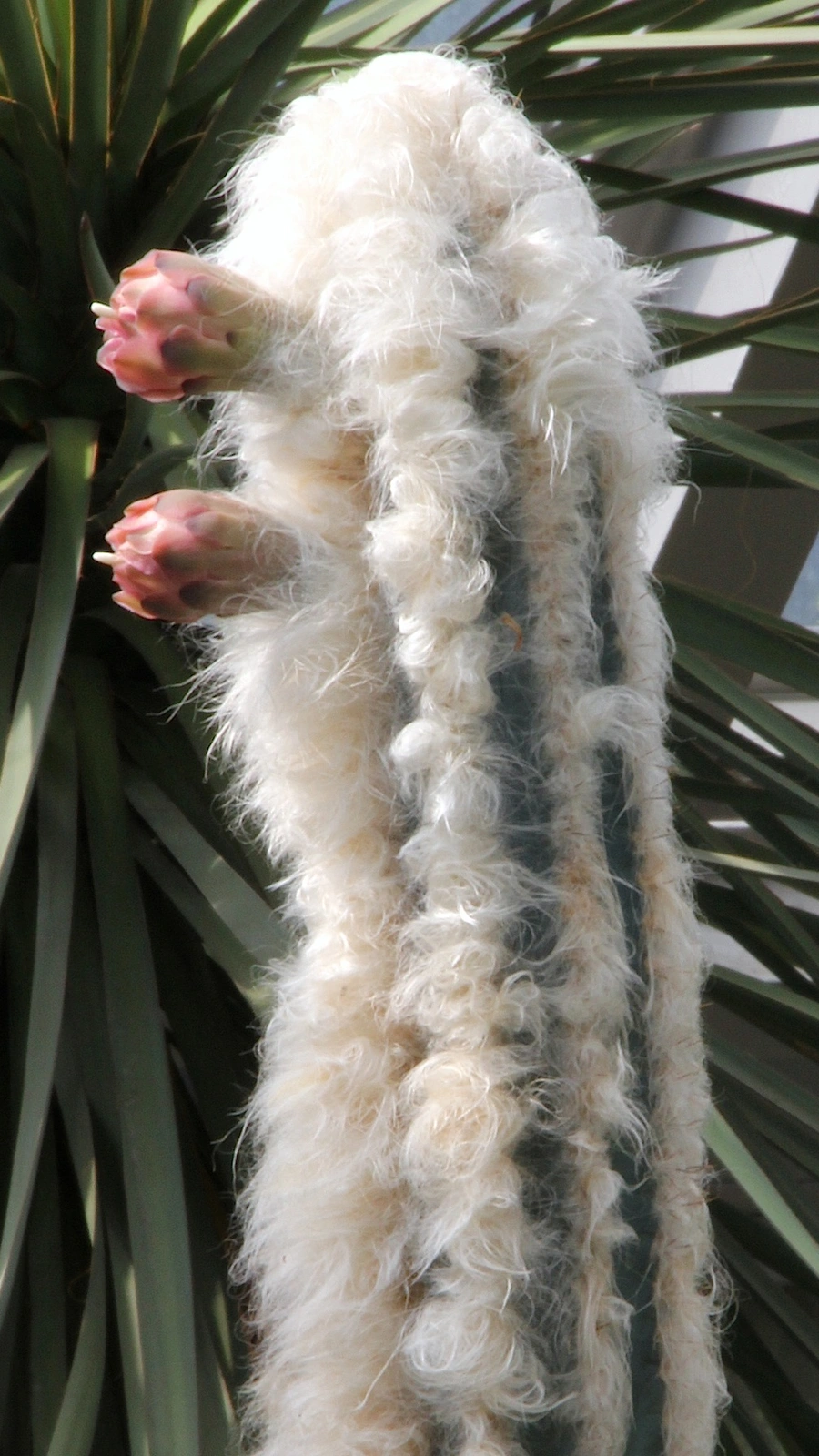
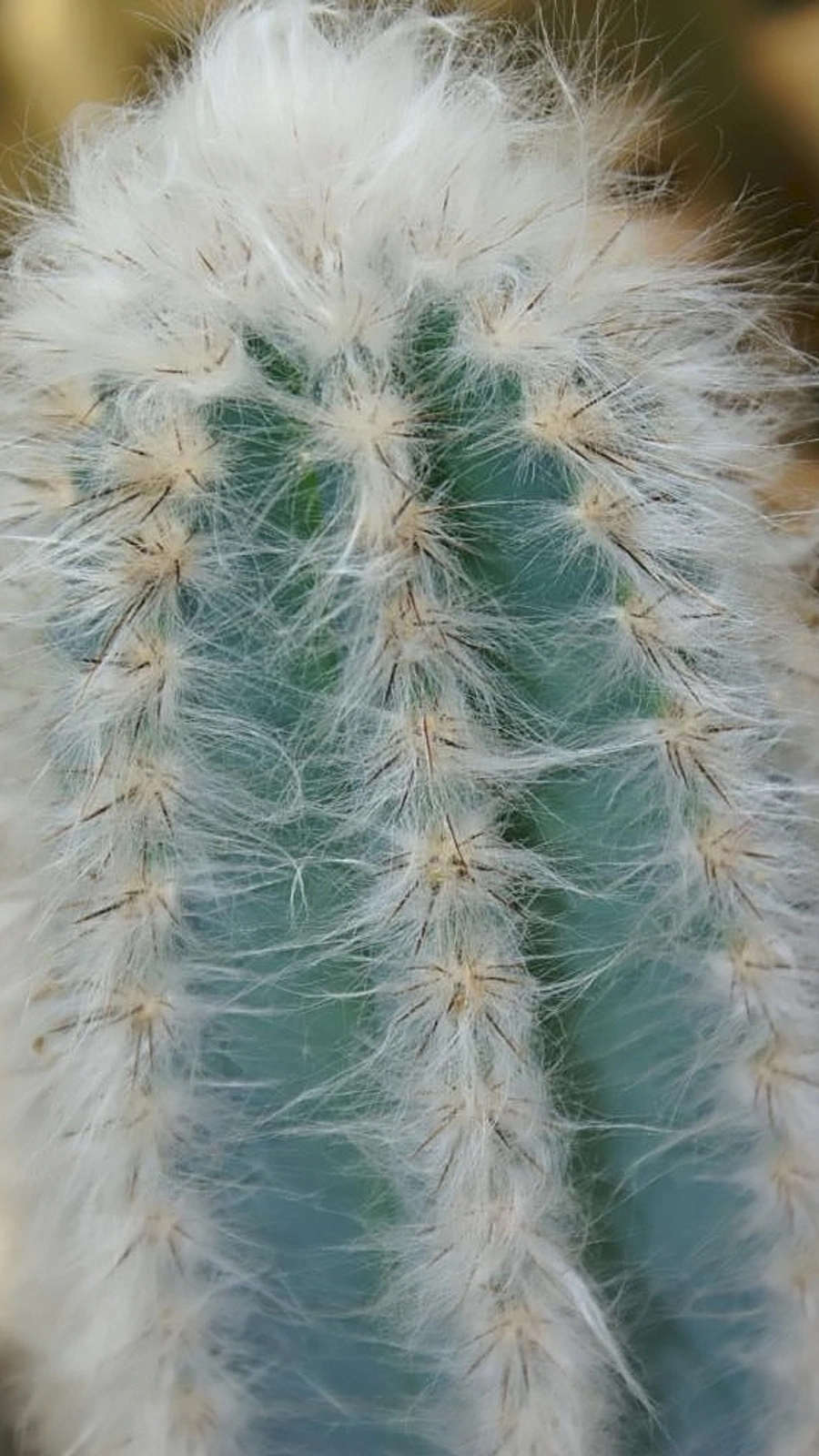
It features an erect, branched, columnar stem that displays a deep green to glaucous-blue hue. The ribs are well-defined, bearing felted gray areoles from which sharp, brownish-to-grey spines emerge. During the summer, large, nocturnal, funnel-shaped white flowers bloom, followed by reddish, fleshy fruits 2.
In cultivation, it requires full sun exposure and an open, mineral-rich soil mix with excellent drainage. Water thoroughly during the hot summer months, allowing the soil to dry completely between waterings. It should be kept dry and cool but frost-free in winter, tolerating brief drops to -2°C 1.
Overwatering and poorly draining soil are the primary causes of root rot. Insufficient light exposure indoors leads to etiolation, where the stem becomes thin, pale, and structurally weak.
Demands full, direct sun; insufficient light causes thin, weak growth (etiolation).
Adopt a strict 'soak and dry' method; keep almost completely dry in winter.
Requires an extremely porous mineral mix containing pumice, sand, and limestone.
Armed with sharp spines; keep out of reach of children and pets. Non-toxic.
Highly durable and very easy to care for, provided it is not overwatered.
Native to the limestone hills of the semi-arid Tehuacán-Cuicatlán Biosphere Reserve, located between the states of Puebla and Oaxaca in southern Mexico.
