
Light
Direct Sun
Requires direct sun to maintain its stout shape; low light causes weak, leggy growth.
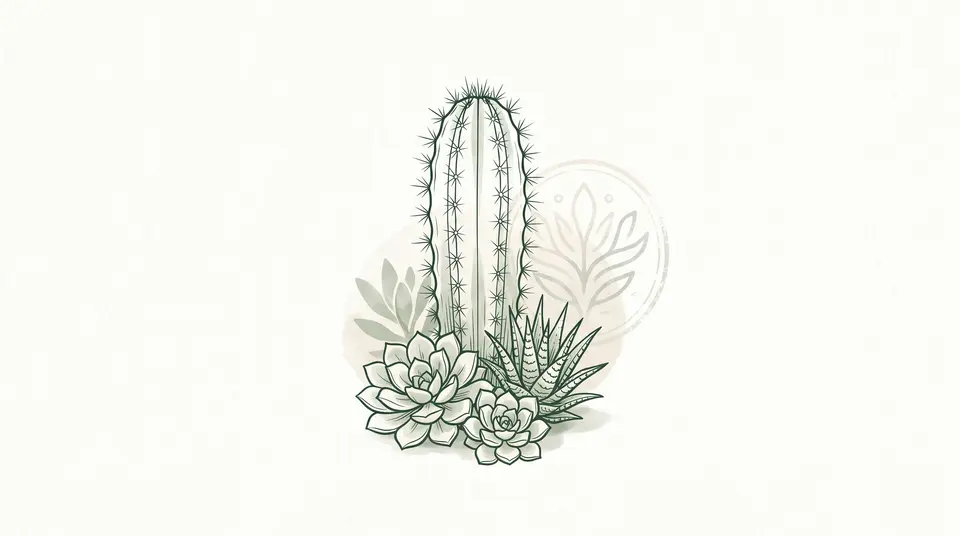 Reference image
Columnar Cactus (Cereus tonelianus)
Cereus tonelianus is a columnar, perennial cactus species belonging to the Cactaceae family. Celebrated for its architectural form and robust nature, it is a classic representative of the columnar cacti group, highly favored by collectors and xeriscape designers alike 1.
Classified under the genus Cereus, this species has historical ties to early European botanical classification. The specific epithet tonelianus commemorates notable historical figures in botany. While older taxonomies sometimes shifted its placement among related genera, modern consensus stabilizes it within the core Cereus lineage 2.
Native to the arid and semi-arid regions of South America, Cereus tonelianus thrives on rocky slopes, dry scrublands, and savanna-like biomes. It has evolved to withstand long periods of drought due to the well-aerated, fast-draining soils of its natural environment.
This cactus features a distinctive grayish-green, ribbed columnar stem. The prominent longitudinal ribs host evenly spaced areoles from which grayish-brown spines emerge. When mature under ideal conditions, it produces large, nocturnal, funnel-shaped white flowers that bloom briefly 1.
Cereus tonelianus requires full sun and exceptionally well-draining soil to prevent root issues. During the spring and summer, irrigate thoroughly only when the soil has dried out completely. In winter, entering a dormancy phase, it requires almost dry conditions.
Overwatering and using heavy, moisture-retaining soils are the primary causes of root rot. Inadequate light exposure leads to etiolation, where the plant grows thin, pale, and structurally weak as it stretches toward light.
Requires direct sun to maintain its stout shape; low light causes weak, leggy growth.
Water only when the substrate is completely dry. Reduce significantly in winter.
Use a porous, sandy potting mix with high grit, perlite, or pumice content.
Equipped with sharp spines. Keep away from high-traffic areas, children, and pets.
Very easy to care for, thriving on neglect and highly tolerant of dry conditions.
Hailing from the arid steppes and rocky, sun-drenched hillsides of South America, this species is highly adapted to low atmospheric humidity and gravelly soils.
