
Light
Bright Indirect Light
Requires bright indirect light or filtered morning sun to prevent scorching.
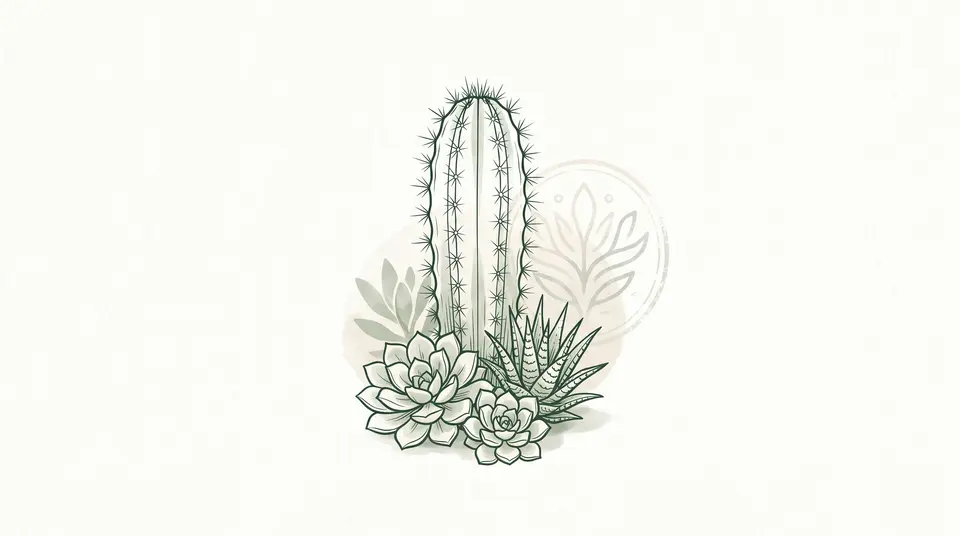 Reference image
Cereus torulosus is a mysterious columnar cactus species belonging to the Cactaceae family 1. Exhibiting a preference for arid desert or dry shrubland biomes, this species remains relatively obscure in commercial cultivation and holds high interest for specialized collectors due to its limited morphological records.
Classified under the genus Cereus, the specific epithet "torulosus" refers to its knobby or slightly swollen, jointed stem structure. While recognized by major taxonomic databases like Kew's Plants of the World Online (POWO), it is categorized as a species with unresolved details regarding its exact lifeform 2.
Although its precise geographical native range is poorly documented, it is ecologically associated with dry shrublands and desert biomes. It thrives in gravelly, low-nutrient soils with excellent drainage and minimal rainfall 1.
This columnar cactus features ribs that display a somewhat undulating or knotted (torulose) appearance. The stems are typically matte green to glaucous grey, decorated with sharp, rigid spines emerging from prominent woolly areoles.
In cultivation, Cereus torulosus requires plenty of bright indirect light or partial direct sun. It must be potted in highly porous, mineral-rich soil. Irrigation should be performed using the soak-and-dry method, allowing the root zone to dry completely.
Overwatering is the primary cause of failure. Heavy, clay-based soils that retain moisture lead directly to root and stem rot. Furthermore, inadequate light causes etiolar growth, where the stems stretch and weaken.
Requires bright indirect light or filtered morning sun to prevent scorching.
Only water when the substrate is 100% dry. Reduce watering to a minimum in winter.
Super-draining mineral mix with plenty of pumice, lava rock, and coarse sand.
Spines are sharp and can puncture skin. Handle with care. Non-toxic to pets.
Moderately easy if overwatering is strictly avoided.
While the precise native range remains undocumented in official databases, its evolutionary traits align closely with the dry shrublands and desert environments typical of South American Cereus habitats.
