
Light
Direct Sun
Thrives in full, direct sunlight; requires at least 6 hours of daily sun.
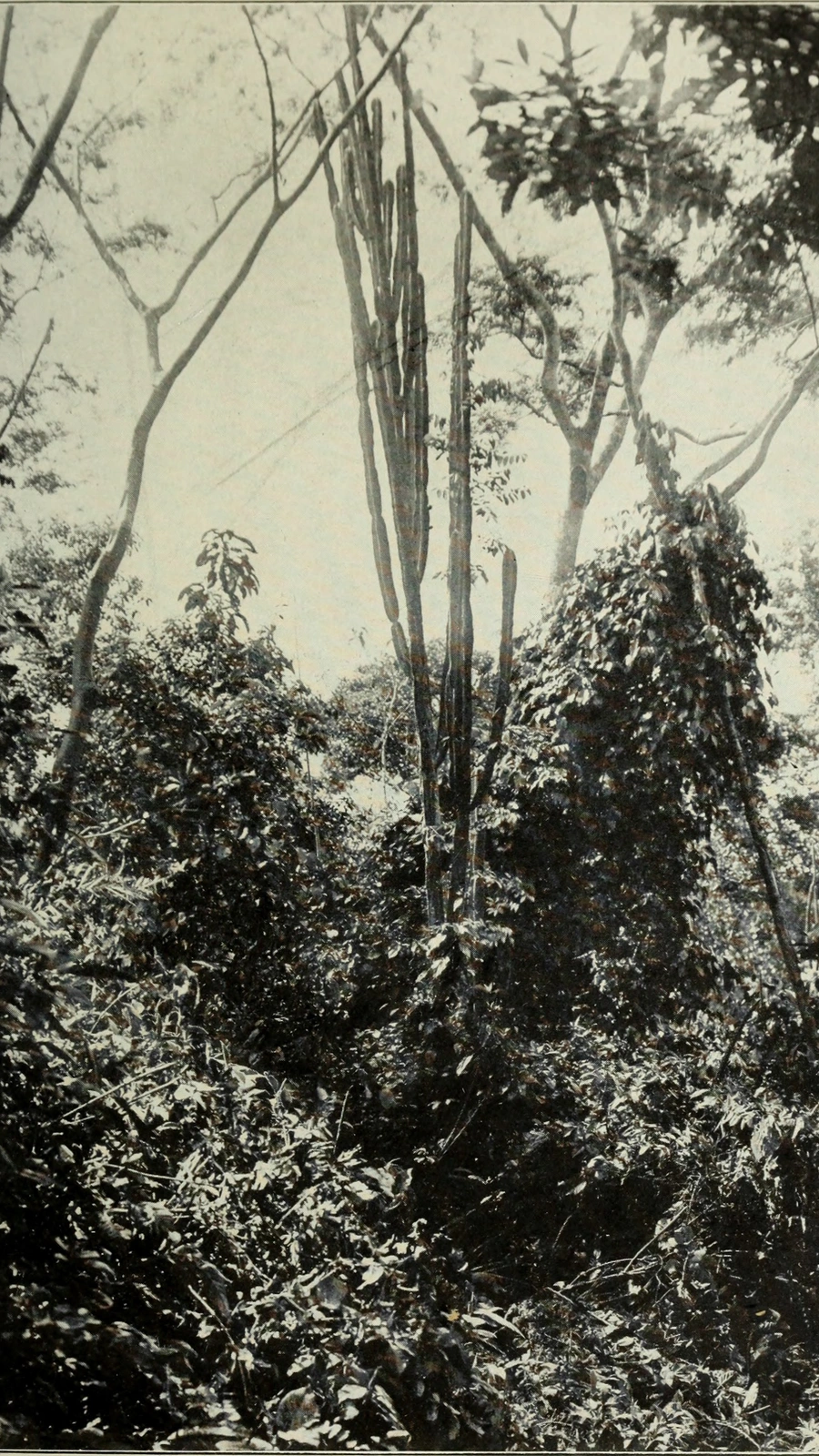 Reference image
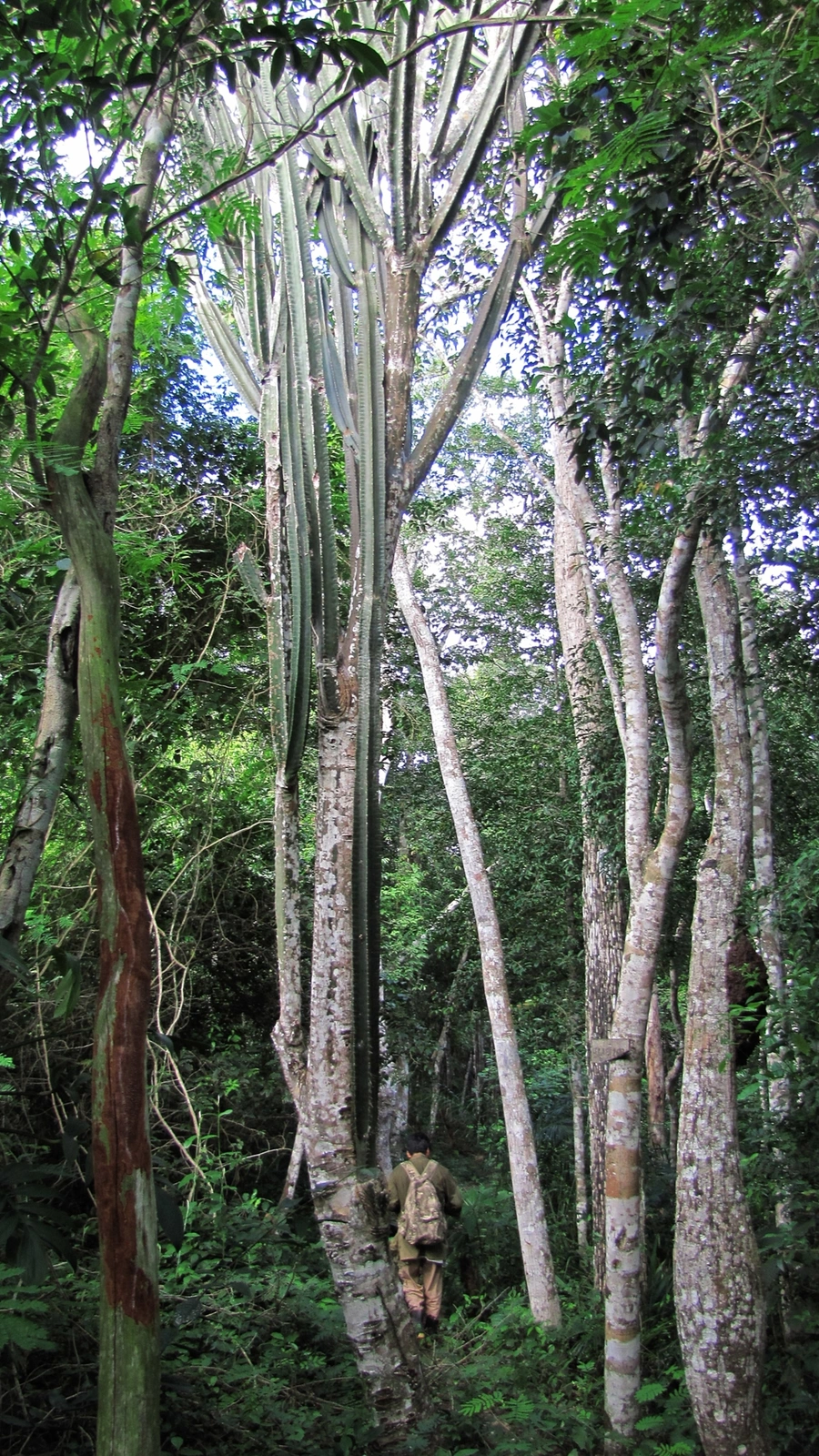 Reference image
Triangle Tree Cereus
Cereus trigonodendron is a majestic, tree-like columnar cactus native to the seasonally dry tropical forests of South America. Known for its distinct angular stems, it creates a dramatic, structural architectural statement both in landscape designs and specialized collections.
Belonging to the genus Cereus within the family Cactaceae, its specific epithet "trigonodendron" refers to its three-angled branch structure resembling a tree 1. It remains a unique representative of the classical South American columnars.
This species is naturally distributed across Peru, Bolivia, and northern to western Brazil, particularly in Amazonas, Acre, Rondônia, and Tocantins 2. It thrives in seasonal tropical biomes, adapting well to periods of prolonged drought on rocky slopes.
Cereus trigonodendron features prominent, wing-like ribs (usually 3 to 4) on its erect, green branches. In the wild, it forms a well-branched canopy. The areoles bear sharp, defensive spines. It produces large, nocturnal white flowers designed to attract nocturnal pollinators like bats and moths.
When cultivated, it requires direct sun exposure to maintain its rib structure and prevent etiolation. A heavily mineralized, gritty substrate is essential for proper drainage. Water deeply during active growth in summer, allowing the soil to dry completely between cycles.
Overwatering and inadequate light are the primary causes of failure. Poorly draining soils trap moisture around the root system, causing rapid fungal decay. Keeping the cactus in damp, freezing drafts during winter can also lead to unsightly scarring or death.
Thrives in full, direct sunlight; requires at least 6 hours of daily sun.
Water deeply only when the potting medium is 100% dry.
Requires excellent drainage; add plenty of pumice, perlite, and sand.
Equipped with sharp spines; keep out of reach of pets and children. Non-toxic.
Relatively easy if kept in bright light and never overwatered.
Native to the dry tropical forests and rocky terrains of Peru, Bolivia, and several states of Brazil including Amazonas and Acre.
