
Light
Full Sun
Requires full, direct sunlight; shaded spots will cause weak and thin growth.
 Reference image
 Reference image
Vargas's Cereus
Cereus vargasianus is a majestic, columnar succulent shrub or tree belonging to the family Cactaceae, endemic to the dry valleys of Peru. Reaching impressive heights in its native habitat, it is distinguished by its upright growth and prominent ribbed structure.
Classified under the genus Cereus, this species is taxonomically recognized by Kew Gardens' Plants of the World Online (POWO) 1. The specific epithet "vargasianus" honors the prominent Peruvian botanist Julio César Vargas Calderón, who contributed significantly to the study of Peru's flora 2.
This species is native to South America, specifically the seasonally dry tropical biomes of Peru, including the western slopes and valleys of the Andes 1. It thrives on rocky, steep slopes and in nutrient-poor, arid soils.
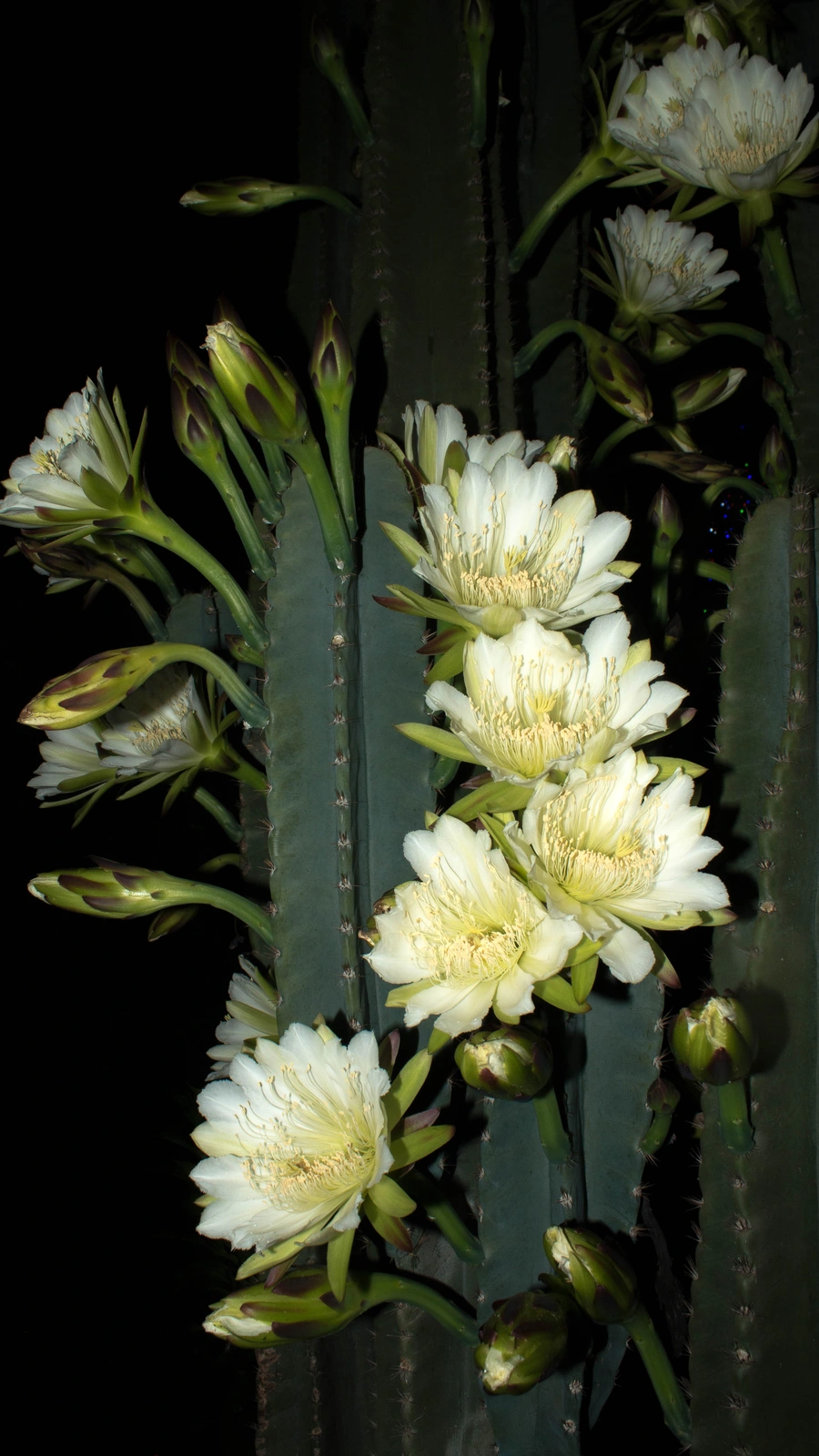
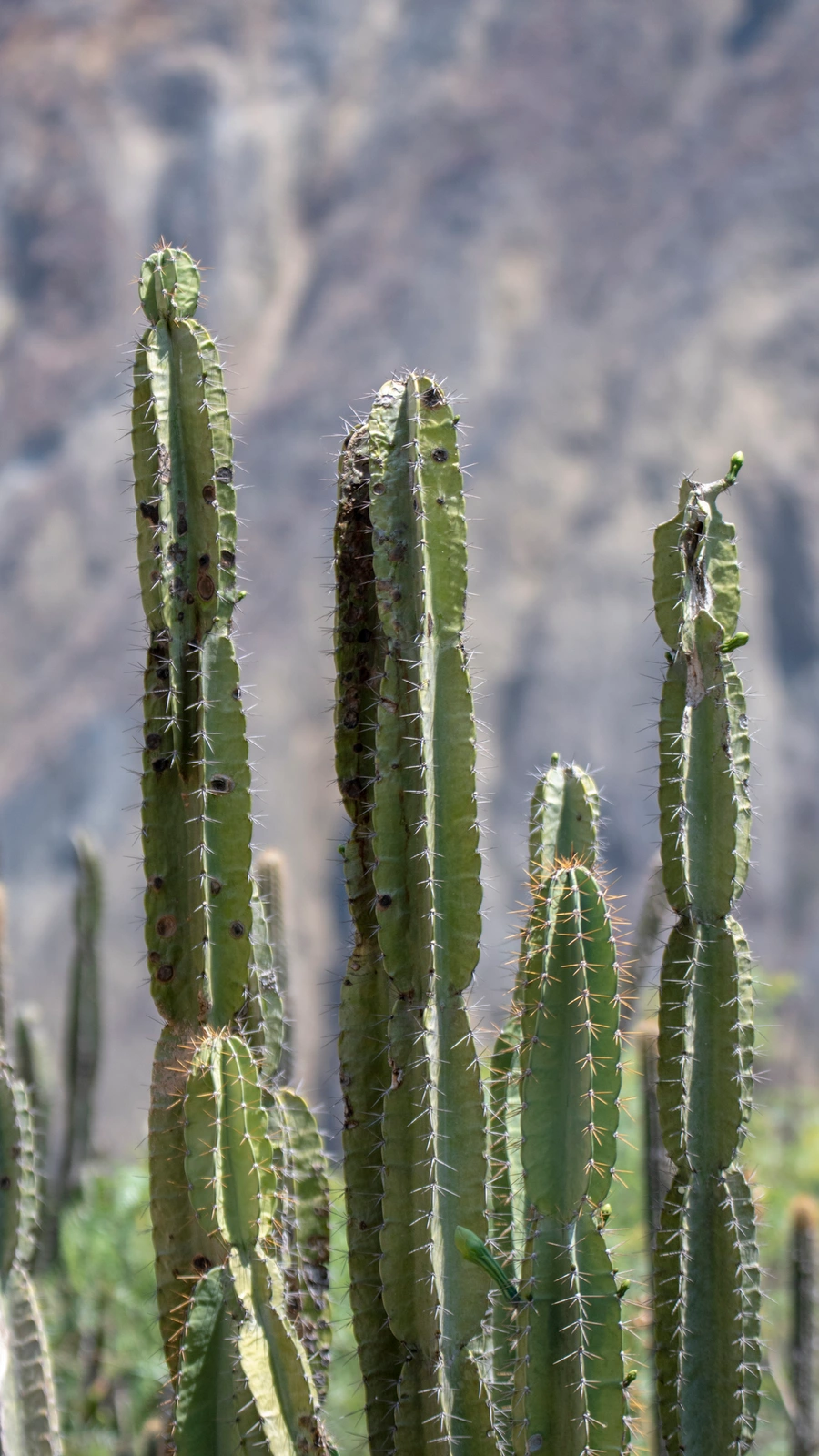
The columnar stem is greyish-green to bluish-green, featuring prominent ribs adorned with spiny areoles. Over time, it branches out to form a tree-like structure. Its large, white or cream-colored flowers bloom nocturnally to attract specific pollinators.
In cultivation, it is highly adaptable and straightforward to maintain. It requires maximum exposure to direct sunlight. Watering should be done thoroughly only after the substrate has dried out completely, with minimal watering during the winter months.
Overwatering and using pots without adequate drainage are the primary causes of root rot. Inadequate light exposure leads to etiolation, where the stem becomes thin, weak, and pale.
Requires full, direct sunlight; shaded spots will cause weak and thin growth.
Water thoroughly only when the soil is dry. Keep almost dry in winter.
Requires excellent drainage; use a mix of pumice, coarse sand, and potting soil.
Armed with sharp spines; keep out of reach of children and domestic pets.
Extremely hardy and drought-tolerant, making it excellent for beginners.
Natively distributed in the seasonally dry tropical valleys and rocky Andean foothills of Peru, growing in dry, gravelly, and fast-draining substrates.
