
Light
Bright Indirect Light
Requires bright indirect light or filtered sun; shield from intense midday scorching.
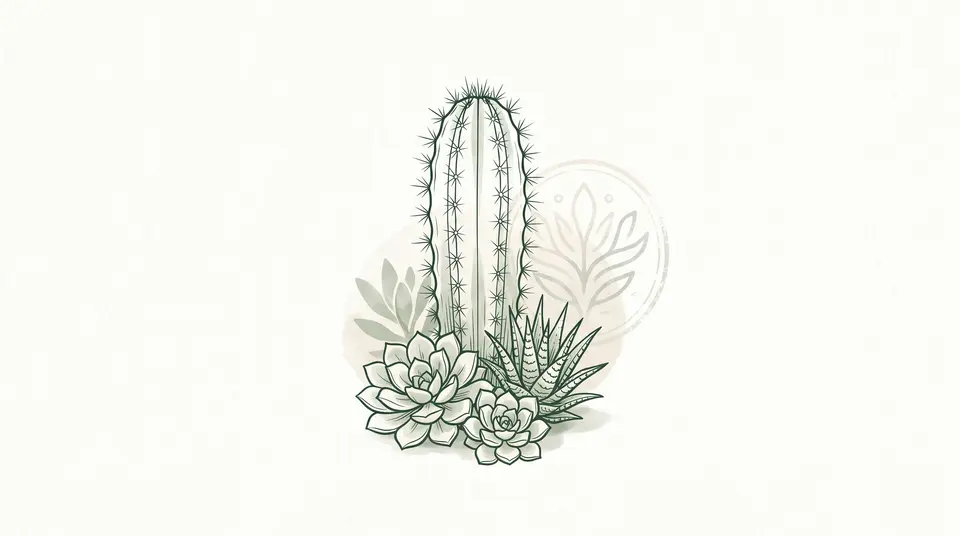 Reference image
Yungas Columnar Cactus
Cereus yungasensis is a rare and intriguing columnar cactus belonging to the family Cactaceae. Exhibiting a shrubby to tree-like growth habit in its natural environment, it has captured the interest of succulent enthusiasts for its unique ecological adaptations.
Named after the famous 'Yungas' region in Bolivia, this species belongs to the genus Cereus. Taxonomists identify it by its specific stem ribbing and distinct spination patterns, separating it from more common lowland species 1.
Native to Bolivia, specifically the seasonally dry tropical environments along the eastern Andean slopes, this cactus thrives in transitional zones where moist forests meet drier valleys 2. It is adapted to periods of high humidity followed by dry seasons.
The plant features erect, greenish to glaucous-green stems with well-defined vertical ribs. Areoles host a set of yellowish-grey to brownish spines. It produces nocturnal, funnel-shaped white flowers that open briefly to attract night-time pollinators.
Unlike desert cacti, Cereus yungasensis prefers slightly more ambient atmospheric humidity but still demands excellent soil drainage. Water thoroughly during the active growing season once the substrate dries out, and keep relatively dry during winter rest.
The most prevalent issue is waterlogging from poorly draining soil mixes, which quickly triggers root rot. Additionally, placing the plant in dark, unventilated corners leads to etiolation (weak, stretched growth) and pest infestations.
Requires bright indirect light or filtered sun; shield from intense midday scorching.
Water only when the substrate is completely dry. Keep almost dry in winter.
Requires highly aerated, fast-draining soil with plenty of pumice or perlite.
Equipped with sharp spines; keep out of reach of curious pets and young children.
Moderate. Easy if watering is controlled, but unforgiving of soggy roots.
Found along the transitional eastern Andean slopes of Bolivia, experiencing alternating humid and dry seasons in seasonally dry tropical biomes.
