
Light
Filtered Sun
Bright, filtered sunlight is ideal. Avoid harsh, direct afternoon sun which can scorch the stem.
 Reference image
 Reference image
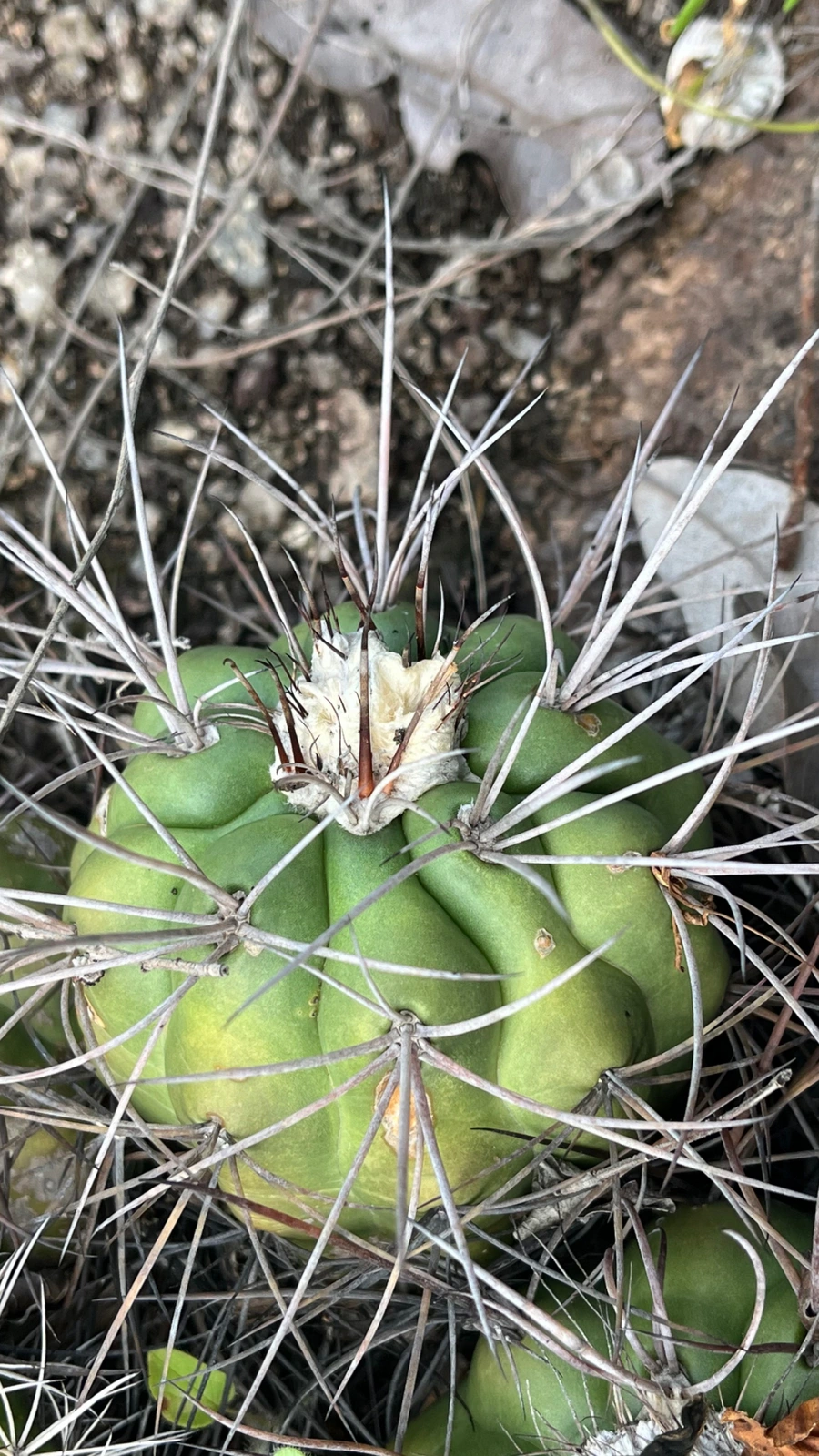
Discocactus braunii is a rare and critically endangered tropical cactus species belonging to the family Cactaceae 1. Renowned for its disk-like, flattened-globose shape and the distinctive woolly cephalium at its apex, it is highly prized among specialized succulent collectors.
The species was named in honor of Pierre Josef Braun, a prominent German botanist and cactus authority 2. The genus name Discocactus is derived from the Greek word "diskos" (disc), directly referencing the flat, rounded growth habit typical of these plants.
This species is endemic to central Brazil, particularly native to the state of Goiás 1. It thrives in seasonally dry tropical biomes, typically growing in quartz gravel fields, sandy soils, and rocky outcrops under the light shade of sparse vegetation.
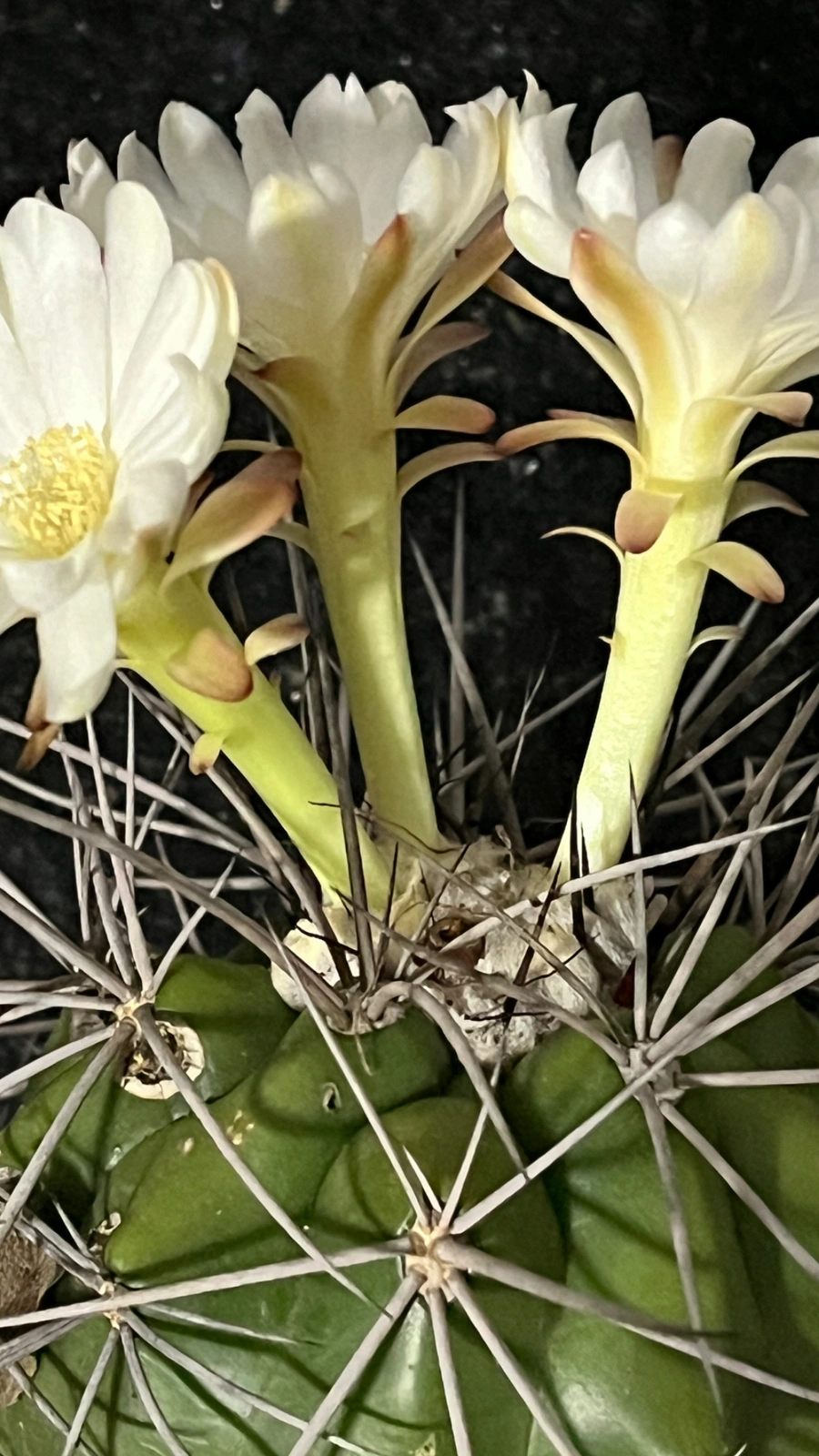
It features a solitary, flattened-globose dark green stem with well-defined ribs and small, recurved spines. Upon reaching maturity, it produces a dense, white woolly cephalium at the crown. During summer nights, highly fragrant, tubular white flowers emerge from this cephalium 2.
Growing Discocactus braunii on its own roots is notoriously difficult due to extreme sensitivity to moisture 3. Consequently, it is frequently cultivated as a graft on hardier rootstocks. It requires a highly porous, mineral-rich, slightly acidic substrate and must be kept dry in winter.
The most prevalent error is watering during the winter resting period, especially when temperatures are low, which invariably leads to lethal rot 3. Providing inadequate light will also prevent the plant from developing its characteristic cephalium.
Bright, filtered sunlight is ideal. Avoid harsh, direct afternoon sun which can scorch the stem.
Water moderately during summer only after the soil dries out completely. Keep dry in winter.
Use a highly mineral, gritty cactus mix composed mostly of pumice, lava rock, and coarse sand.
Non-toxic to humans and pets, but handle with care due to the presence of small, sharp spines.
A demanding species suitable for experienced growers due to its strict watering and warmth needs.
Endemic to the state of Goiás in Brazil, this species grows naturally in sandy, quartzite-rich soils within seasonally dry tropical savannahs and rocky outcrops.
