
Light
Filtered Sun
Prefers bright, filtered sunlight; avoid harsh, direct afternoon sun.
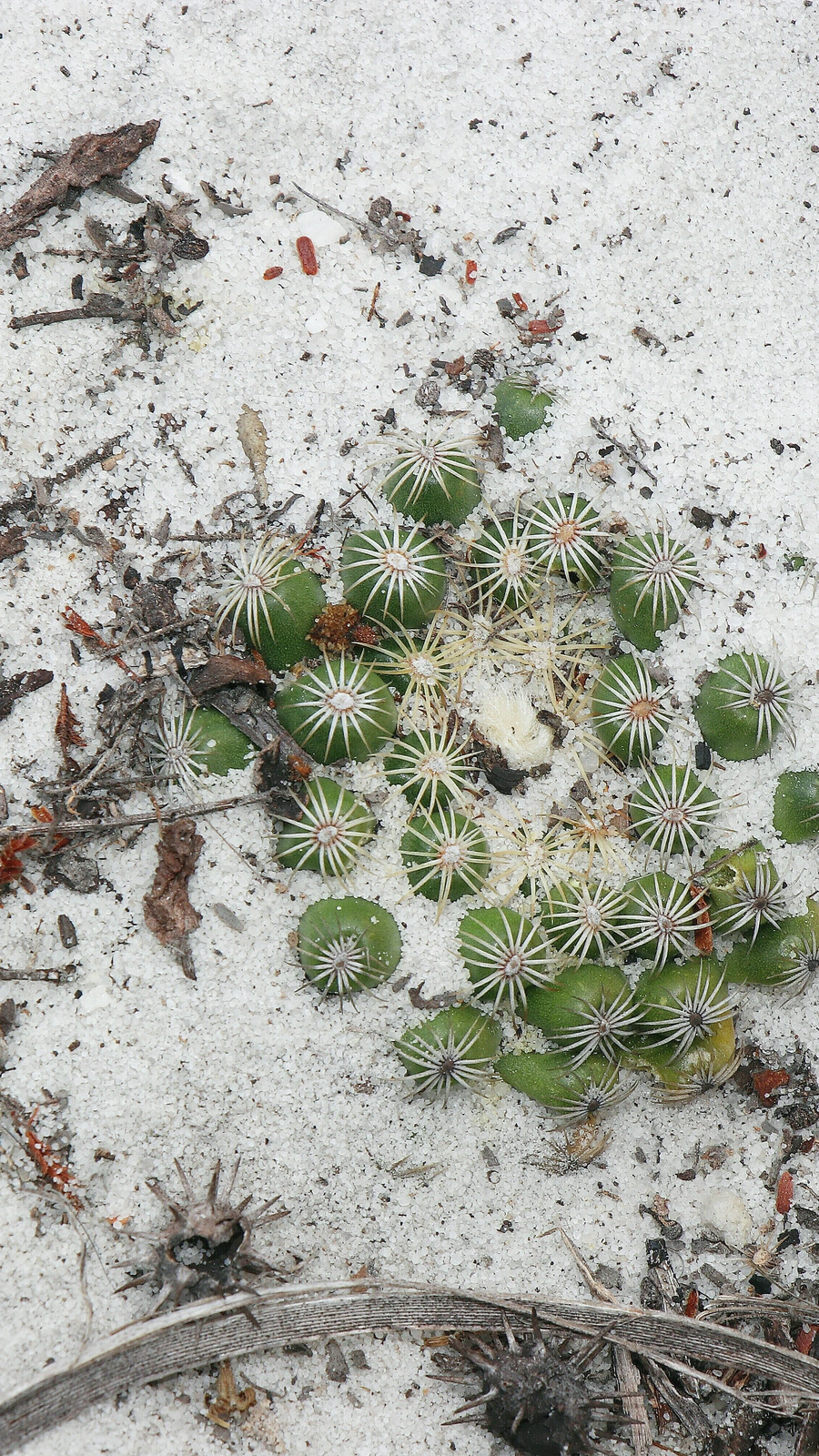 Reference image
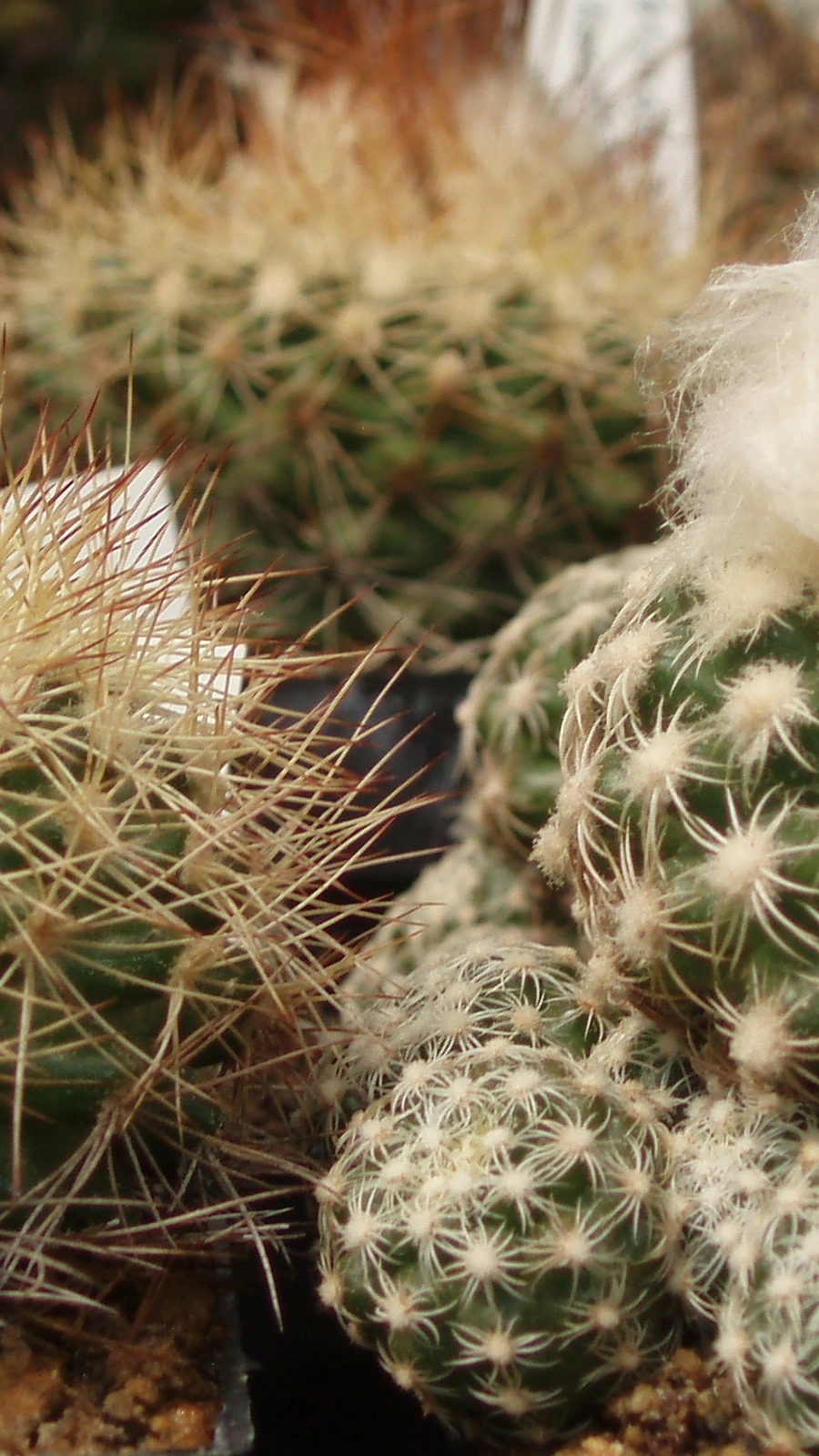 Reference image
Discocactus buenekeri is an extremely rare and highly sought-after miniature cactus species from the Cactaceae family, known for its flattened globose body and woolly apical cephalium 1.
Described in the late 20th century, the species was named in honor of Rudolf Büneker, a prominent German-Brazilian cactus collector. Taxonomically, it belongs to the genus Discocactus, distinguished by its small size and distinct offsetting habit compared to its larger relatives 2.
This species is native to northeastern Brazil, primarily found in Bahia and northern Minas Gerais within seasonally dry tropical biomes 1. It grows in very specific microhabitats, often nestled among quartzite gravels, rocky outcrops, or under the light shade of deciduous shrubs in highly acidic sandy soils.
The stem is dark green, flattened-globose, rarely exceeding 8 cm in diameter. It features prominent, tubercled ribs with small, recurved spines. Upon reaching maturity, it produces a woolly white cephalium at the crown, from which nocturnal, intensely fragrant, funnel-shaped white flowers emerge during the warm seasons 2.
Discocactus buenekeri is considered difficult to grow on its own roots due to its extreme sensitivity to moisture and rot 1. Consequently, specimen plants are frequently grafted onto hardier rootstocks like Harrisia or Trichocereus. It requires a strictly mineral-based, acidic potting medium and careful watering only when temperatures are high.
The most prevalent mistakes include watering during the winter dormancy and exposing the plant to temperatures below 12°C. Additionally, keeping the plant in alkaline soil or providing direct, harsh summer afternoon sun can lead to chlorosis and sunburn.
Prefers bright, filtered sunlight; avoid harsh, direct afternoon sun.
Water sparingly during the active summer growth, and suspend watering entirely in winter.
Requires an acidic, lime-free, fully mineral substrate rich in pumice and gravel.
Non-toxic to pets, but has sharp recurved spines that require careful handling.
Highly challenging due to rot sensitivity and strict temperature requirements.
Endemic to the quartzite fields of northeastern Brazil, where it thrives in acidic, nutrient-poor sands amidst severe seasonal droughts.
