
Light
Bright Indirect Light
Thrives in bright indirect sunlight or filtered light; intense, direct afternoon sun can scorch its dark epidermis.
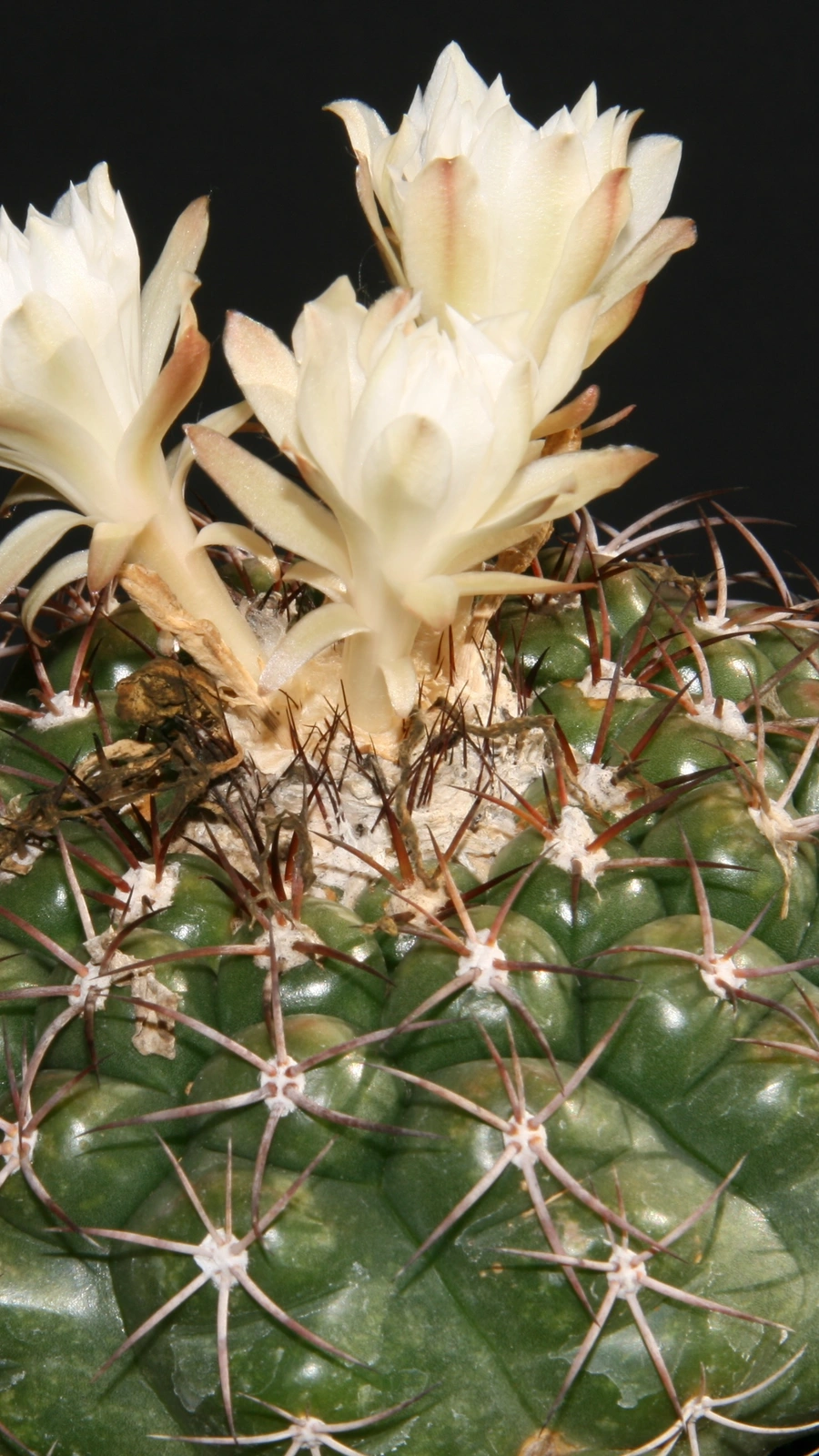 Reference image
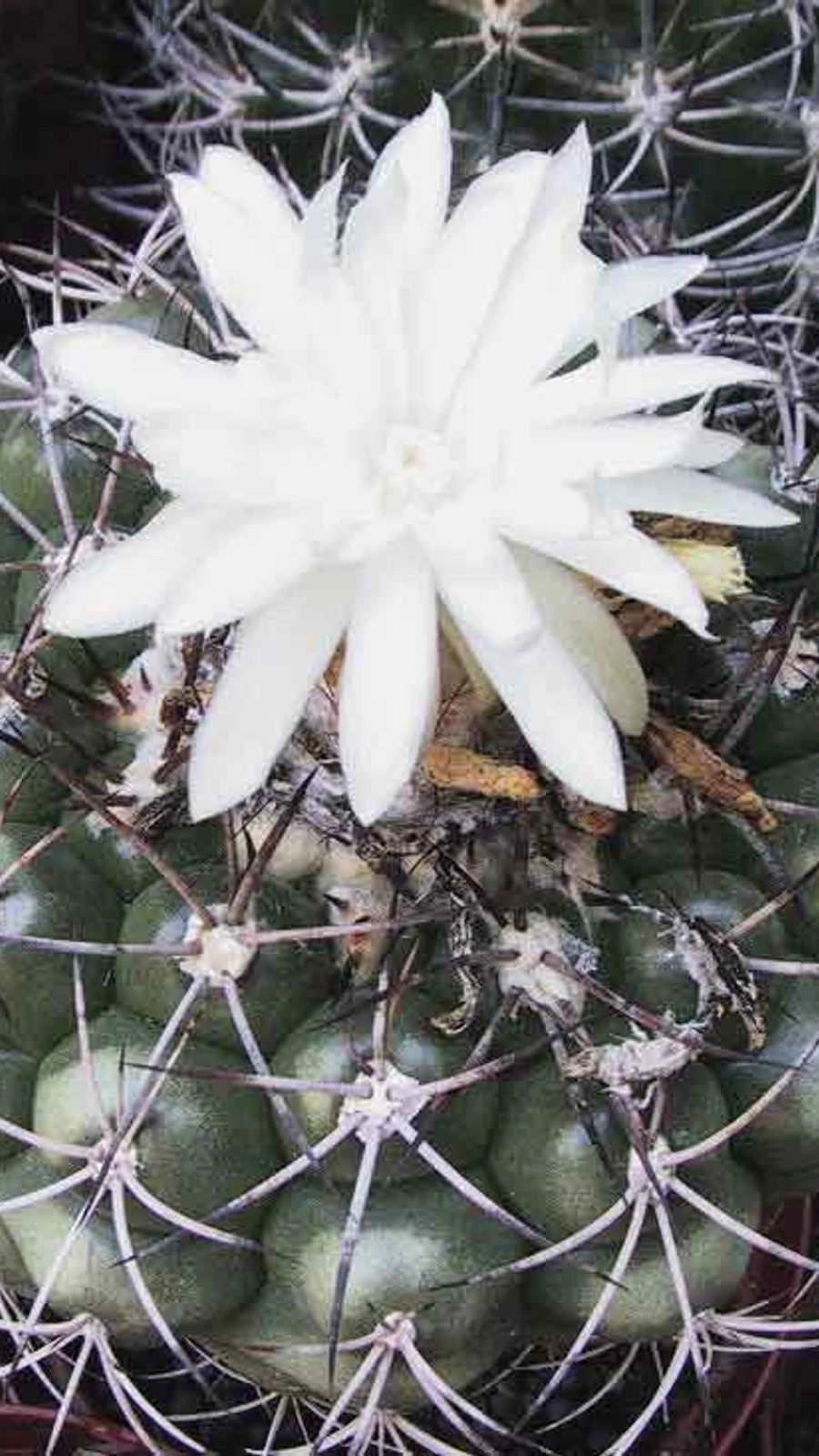 Reference image
Iron-Loving Discocactus
Discocactus ferricola is a rare, globose cactus species belonging to the Cactaceae family 1. Known for its specific association with iron-rich substrates, this highly sought-after plant is characterized by its prominent apical cephalium and highly fragrant, nocturnal white blooms. It is currently classified as Endangered due to habitat loss.
Belonging to the genus Discocactus, the species was formally described by Buining and Brederoo 2. The specific epithet 'ferricola' translates to 'iron-dweller', pointing to its obligate occurrence on iron-rich soils and rocky outcrops.
Native to Southern America, specifically in Brazil (Mato Grosso do Sul) and parts of Bolivia 1. It thrives exclusively on 'canga' formations—highly consolidated crusts of iron ore—under seasonally dry tropical climates, where vegetation is sparse and drainage is extreme.
This cactus features a solitary, flattened-globose, dark green to purplish-bronze stem. It exhibits distinct ribbed segments adorned with sharp, recurved, dark-colored spines. Upon reaching maturity, it ceases vegetative growth and develops a dense, woolly cephalium at its apex, from which pristine white, funnel-shaped flowers emerge during summer nights.
In cultivation, D. ferricola is regarded as a challenging subject. It requires a strictly mineral, low-organic substrate with superb drainage. Unlike many desert cacti, it demands warm winter conditions and must never be subjected to freezing temperatures or damp cold, which leads to immediate root rot 3.
Using standard commercial potting soil with organic peat is the leading cause of demise. Overwatering in winter or allowing water to pool in the cephalium will trigger fungal infections and rot. Lack of adequate ventilation also severely impairs its development.
Thrives in bright indirect sunlight or filtered light; intense, direct afternoon sun can scorch its dark epidermis.
Water moderately in summer only after the soil dried out fully. Keep completely bone-dry in winter.
Needs an organic-free, mineral-rich mix consisting of pumice, lava rock, and coarse quartz sand.
Non-toxic, but the sharp, recurved spines can cause physical injury. Handle with proper tools.
Highly challenging. Recommended for advanced collectors due to strict temperature and moisture requirements.
Endemic to the boundary areas of Brazil and Bolivia, growing exclusively on weathered ironstone crusts (canga) within seasonally dry tropical scrublands.
