
Light
Bright Indirect Light
Requires bright indirect light or partial direct sun; benefits from morning sun.
 Reference image
 Reference image
Golden-Spined Lobivia
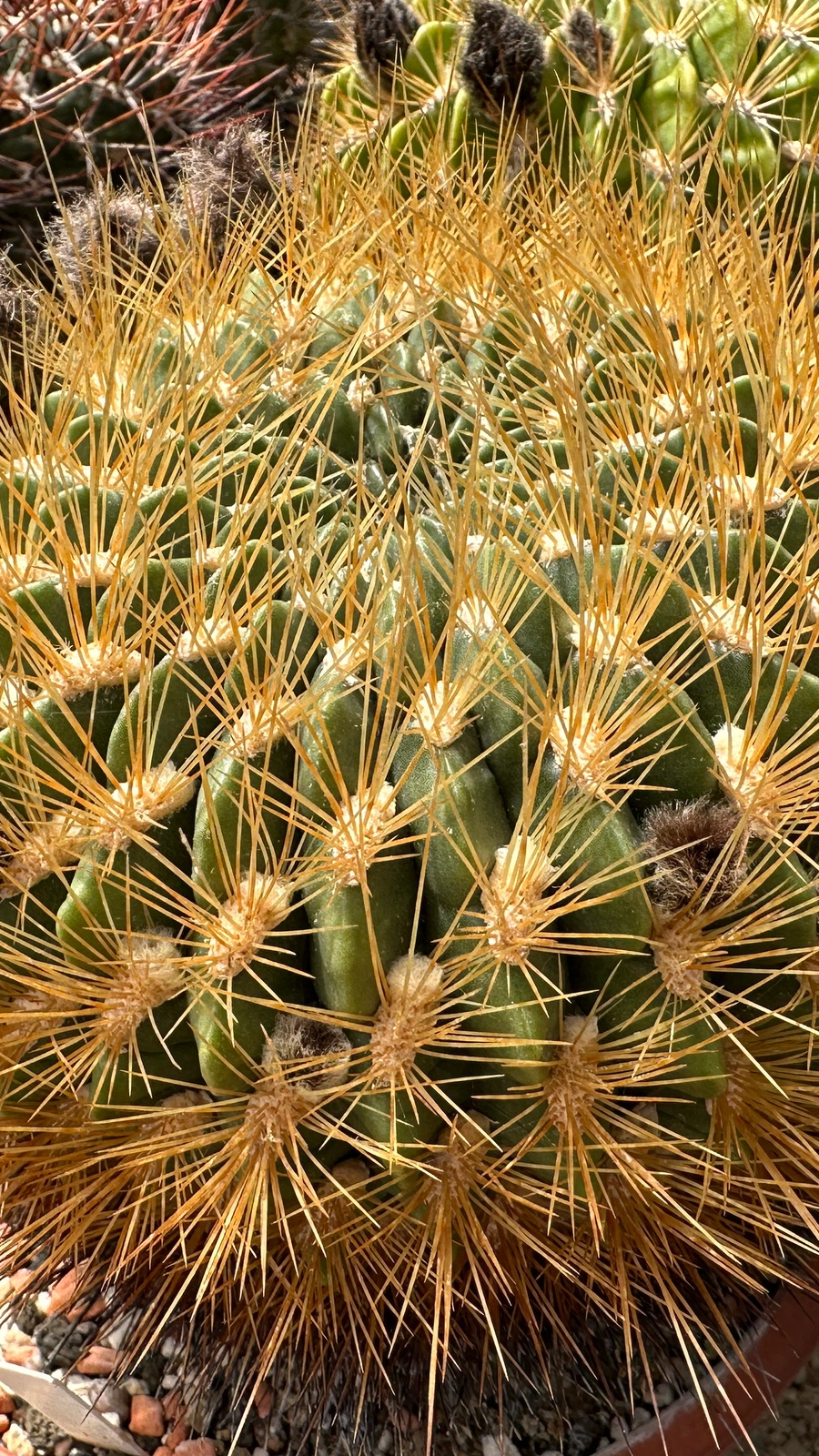
Echinopsis chrysochete is a beautiful, globose cactus species belonging to the family Cactaceae. It is highly prized among succulent enthusiasts for its dense covering of needle-like, golden-yellow spines and its large, showy white or cream-colored flowers that bloom from the crown 1.
Originally described under the genus Lobivia by the German botanist Erich Werdermann, the species was later transferred to the broader genus Echinopsis during comprehensive taxonomic revisions. The specific epithet chrysochete derives from the Greek words for "golden" and "bristle" or "mane", directly referencing the striking bristle-like golden spines that envelop the plant's stem 2.
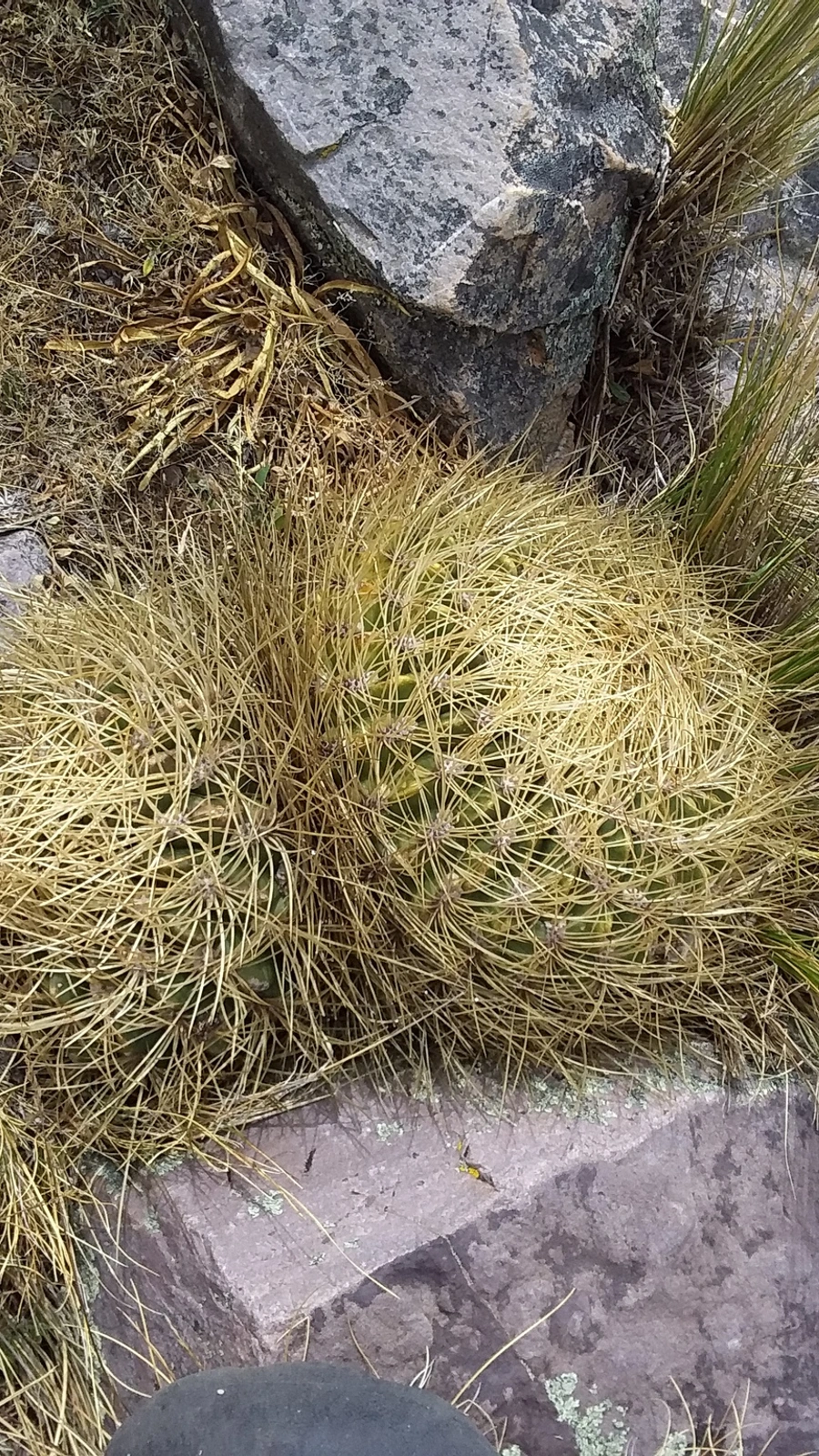
This species is native to the high-altitude regions of the Andes in Southern South America. It occurs naturally in southern Bolivia and northwestern Argentina (specifically Jujuy and Salta provinces). It thrives in montane tropical and subtropical biomes, typically at elevations between 2500 and 3500 meters above sea level, nestled among rocky outcrops and gritty soils 1.
The stem is solitary and flattened-globose at first, occasionally offsetting from the base with age to form small clumps. The epidermis is dark green, structured with over 20 distinct ribs. Areoles bear numerous flexible, golden-yellow to brownish-yellow spines that resemble a dense mane. Its summer-blooming flowers are funnel-shaped, pristine white to light cream.
In cultivation, it requires bright, filtered sunlight to maintain its dense spination and compact shape. Coming from high altitudes, it benefits from cool night temperatures. Watering should be thorough but infrequent during the growing season, allowing the soil to dry completely. A mineral-rich, highly porous soil mix containing pumice and grit is crucial 2.
Overwatering, particularly during the winter dormancy, is the primary cause of root rot. Lack of sufficient light leads to etiolation, causing the stems to stretch, weaken, and lose their vibrant golden spine density.
Requires bright indirect light or partial direct sun; benefits from morning sun.
Water thoroughly only when the soil is dry in summer; keep completely dry in winter.
Requires highly porous, grit-based soil with excellent drainage (cactus mix).
Non-toxic to pets, but has numerous sharp, needle-like spines. Handle with care.
Very easy to care for, provided it is not overwatered and is given cool winter dormancy.
Found naturally in the high-altitude rocky terrains of the Andes, where it braves intense sun, thin air, and cold mountain nights.
