
Light
Bright Indirect Light
Prefers bright, intense filtered light; can tolerate direct morning sun but needs protection from scorching midday heat.
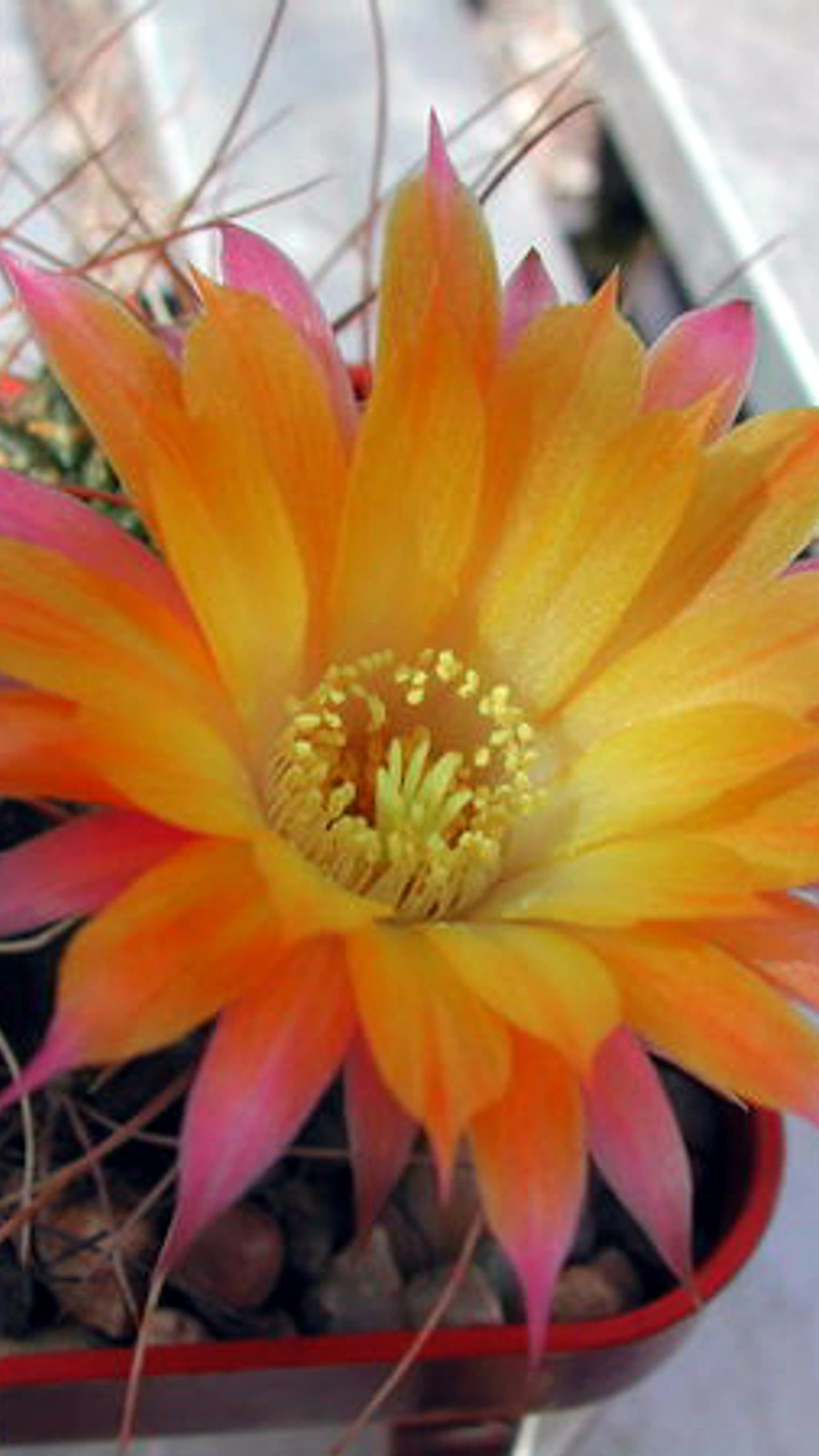 Reference image
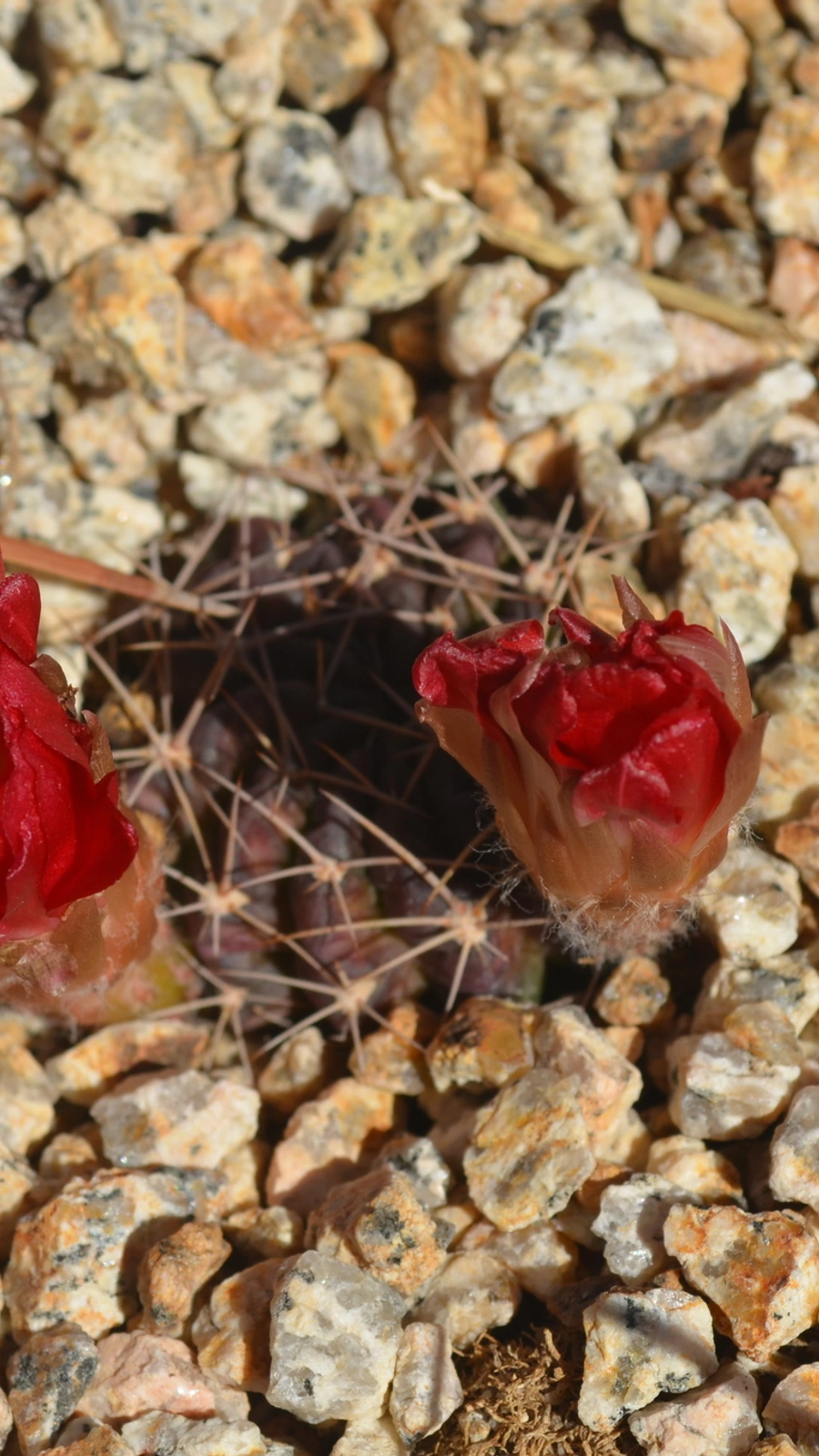 Reference image
Pampa Cactus
Echinopsis pampana is a highly sought-after, globose to short-cylindrical cactus species native to the high-altitude arid regions of South America. Known for its spectacular, large, and vividly colored flowers, this succulent subshrub is highly valued among collectors for its extreme cold hardiness and striking appearance 1.
Belonging to the family Cactaceae, genus Echinopsis, its species epithet 'pampana' refers to the Pampa de Arrieros in Peru. It has historically been classified under the genus Lobivia, with synonyms including Lobivia pampana and Lobivia mistiensis. Recent molecular studies place it firmly within the diverse Echinopsis clade 2.
This species is endemic to southern Peru (Arequipa region), thriving at extreme elevations between 3,700 and 4,100 meters above sea level 3. It inhabits the dry puna ecosystem, growing in volcanic, rocky, and fast-draining soils under intense solar radiation. Due to restricted distribution and grazing pressures, it is listed as Endangered (EN) by the IUCN.
The stem is solitary or slowly clumping, dark dull green or bluish-green, up to 15 cm in diameter with about 30 pronounced, spiraling ribs. Spines are needle-like, curved, and pectinate. The spectacular funnelform flowers open in late spring, displaying rich shades of copper, orange, red, or golden yellow.
In cultivation, it requires bright, filtered light and excellent air circulation to mimic its windy mountain habitat. Water thoroughly during the hot summer months only when the substrate is completely dry, and maintain a strict dry rest during the winter to trigger abundant flowering.
Overwatering in heavy soils and lack of adequate sunlight are the most common issues, leading to root rot and etiolation. Keeping the plant too warm in winter prevents the critical dormancy required for bud initiation.
Prefers bright, intense filtered light; can tolerate direct morning sun but needs protection from scorching midday heat.
Soak thoroughly only when soil is 100% dry. Keep dry in winter.
Extremely porous mineral mix rich in pumice, perlite, and coarse sand.
Non-toxic, but features sharp spines that can cause physical injury to pets and humans.
Easy to moderate; highly resilient if kept dry during winter dormancy.
Native to the high-altitude volcanic plains of the Andes in southern Peru, specifically the Arequipa region, experiencing cold, dry, and intensely sunny conditions.
