
Light
Bright Indirect Light
Requires bright indirect light or filtered sun, enjoying morning or late afternoon direct sun.
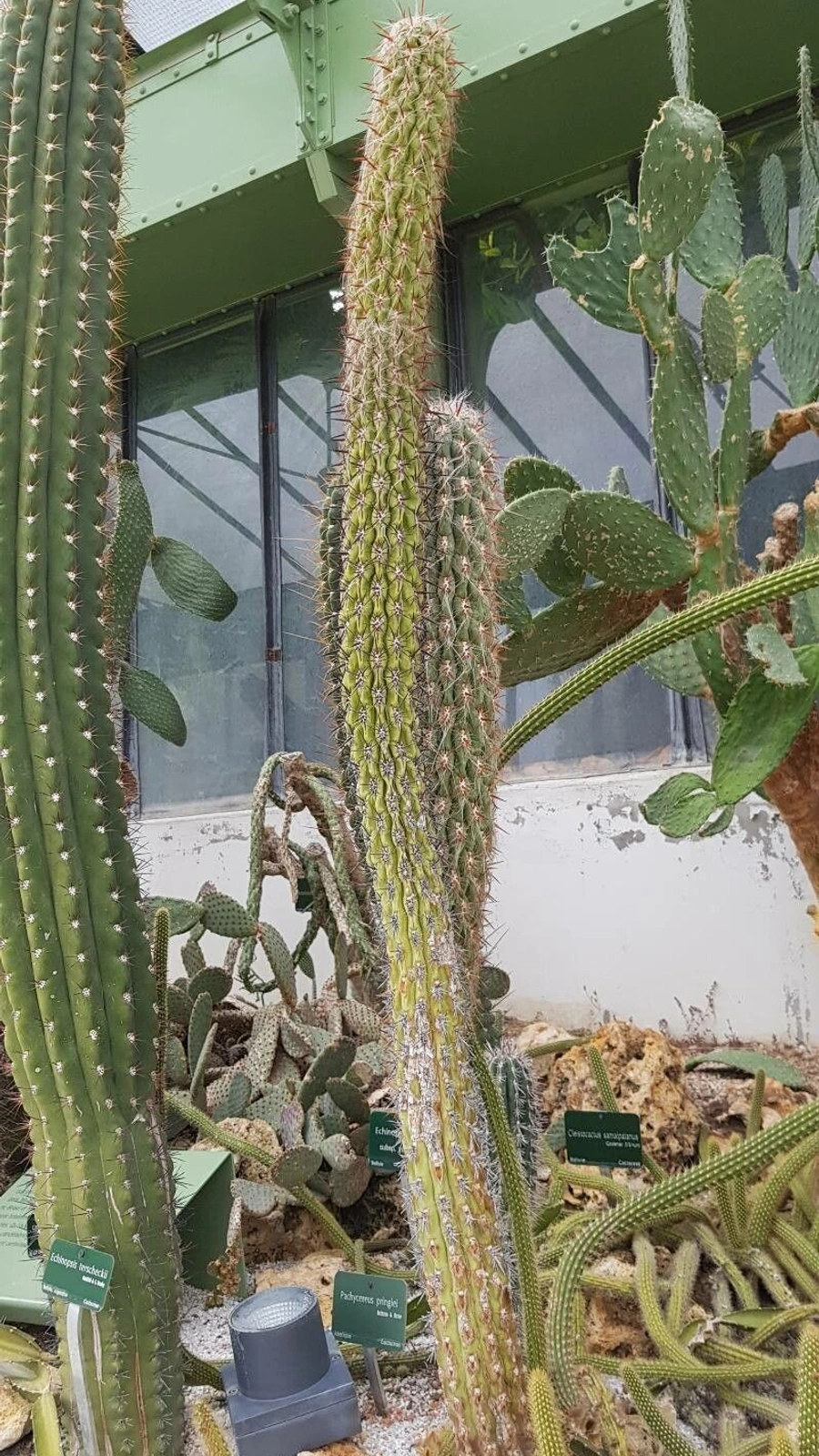 Reference image
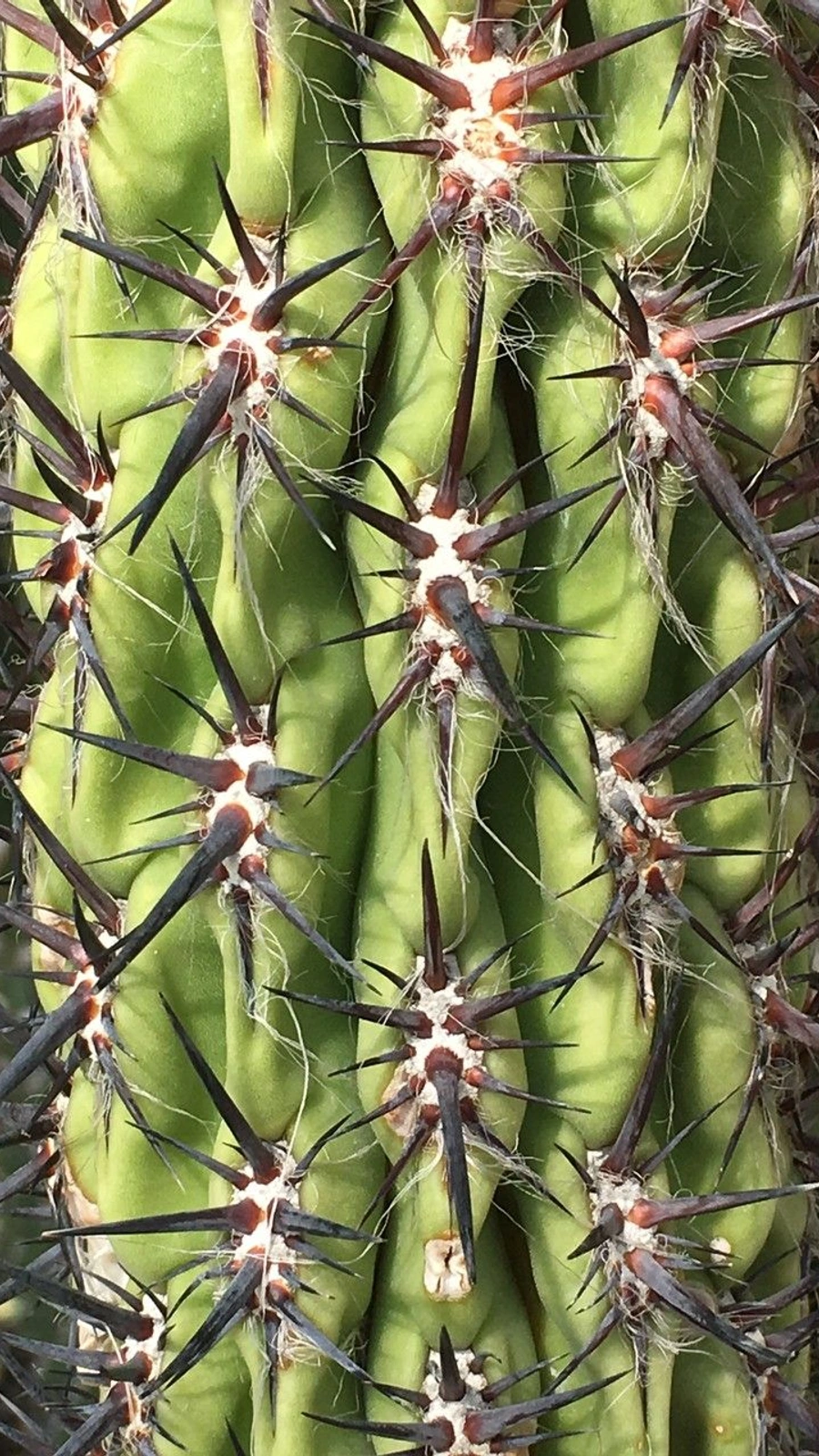 Reference image
Uyupampa Cactus
Echinopsis uyupampensis is a rare, semi-prostrate, shrubby cactus species belonging to the family Cactaceae, native to the arid valleys of Peru and Bolivia. It is highly valued among collectors for its slender, branching stems and night-blooming white flowers 1.
This species was described under the genus Echinopsis, taking its specific epithet from the Uyupampa region in Arequipa, Peru. Depending on taxonomic authorities, it is sometimes referred to under its synonym Trichocereus uyupampensis, showcasing characteristics transitional between globular and columnar cacti 2.
Native to southern Peru and Andean Bolivia, Echinopsis uyupampensis thrives at elevations between 2,000 and 3,000 meters above sea level. Its natural habitat comprises rocky volcanic slopes and dry shrublands, where soils are lean and extremely well-draining 1.
The stems are slender, cylindrical, and pale green, measuring around 2 to 3 cm in diameter with 8 to 12 low ribs. The areoles bear several thin, yellowish to grey spines. Its large, funnel-shaped flowers are white to cream, opening mainly at night to attract nocturnal pollinators 2.
In cultivation, this cactus requires plenty of light and excellent airflow. Water deeply during the active spring and summer growth phases, allowing the substrate to dry completely. A dry, cool winter rest is crucial to stimulate flowering.
Overwatering and the use of heavy, moisture-retaining soils are the primary causes of root rot. Inadequate light during the growing season leads to unsightly, weak, and stretched stems (etiolation) 1.
Requires bright indirect light or filtered sun, enjoying morning or late afternoon direct sun.
Water thoroughly only when the soil is dry. Avoid wet roots at all costs.
Highly porous cactus soil amended with pumice, perlite, and coarse sand.
Features sharp needles; handle with thick gloves and keep away from pets.
Moderate; susceptible to root rot if overwatered but very drought tolerant.
Naturally distributed along the high-altitude rocky slopes of the Andes, specifically in the Uyupampa valley in Peru and neighboring dry regions of Bolivia, surviving in nutrient-poor volcanic soils.
