
Light
Filtered Sun
Bright filtered light or partial shade; avoid harsh midday sun.
 Reference image
 Reference image
Lau's Orchid Cactus
Epiphyllum laui is an epiphytic cactus species belonging to the Cactaceae family, highly valued for its elegant funnel-shaped flowers and trailing growth habit 1. Unlike many strictly nocturnal night-blooming cereus species, this plant features diurnal elements, remaining open during the daytime.
Named in honor of the renowned German botanist and cactus collector Alfred Bernhard Lau, who discovered it in Mexico, the species was formally described as Epiphyllum laui by Myron Kimnach in 1989 2. It is commonly referred to as an orchid cactus due to its epiphytic nature.
This species is endemic to southern Mexico, particularly in the states of Chiapas, Veracruz, and Tabasco 2. It grows in seasonally dry tropical forests as an epiphyte on tree branches or as a lithophyte in rocky crevices, where it thrives in warm, humid microclimates 3.
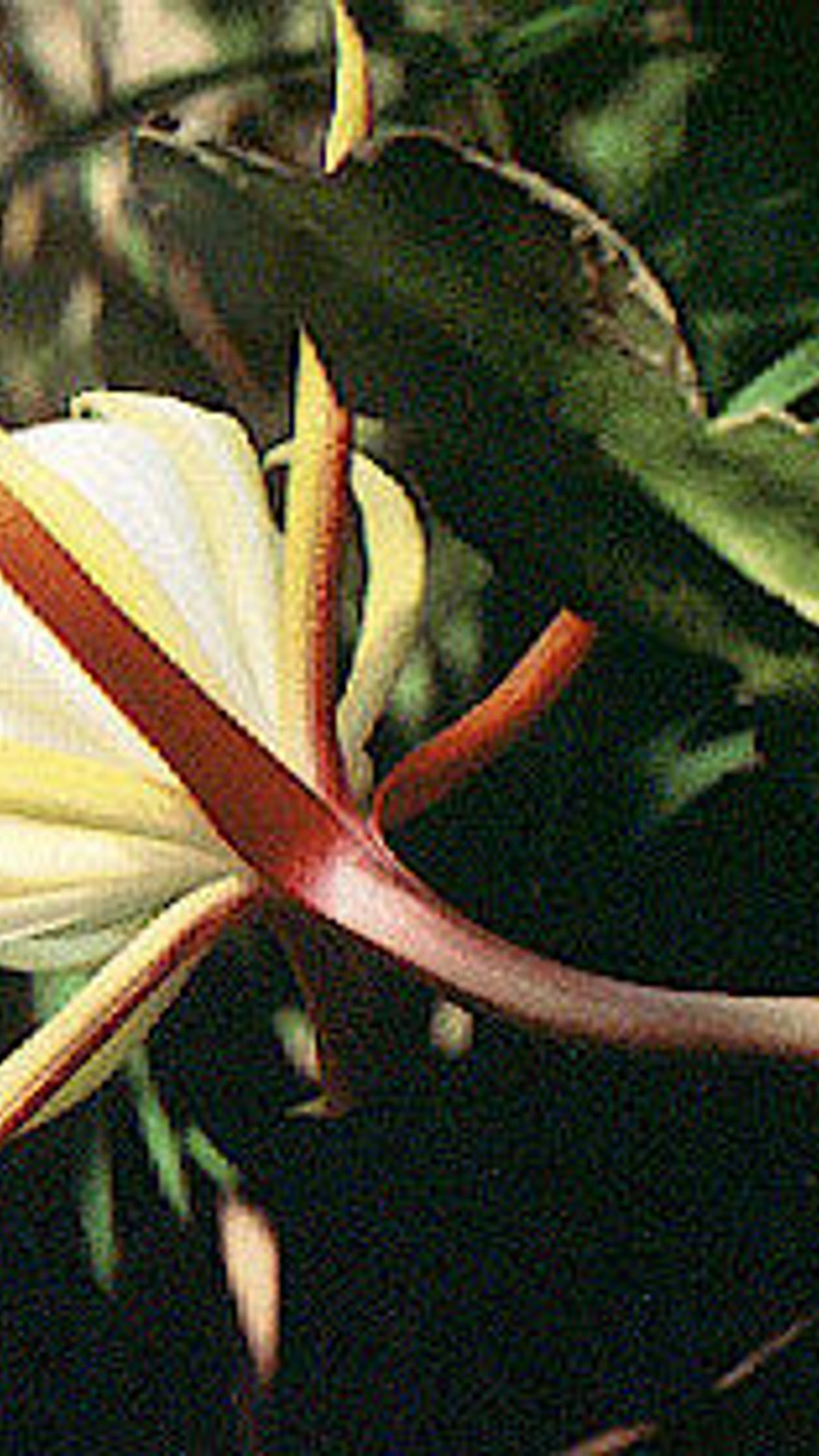
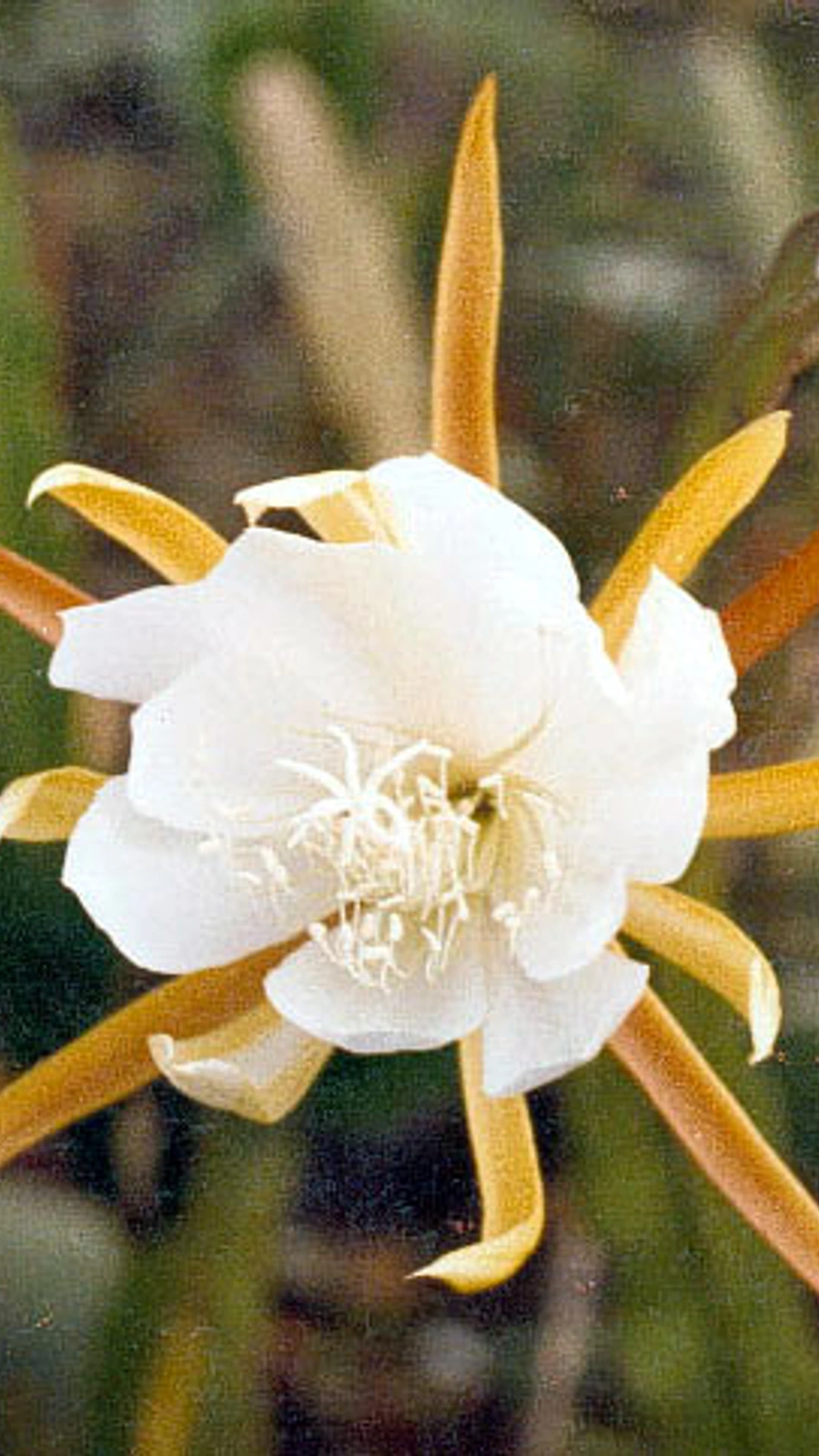
The stems are flattened, leaf-like, bright green, and virtually spineless with wavy margins. The diurnal flowers are approximately 10-15 cm in diameter, featuring outer tepals in shades of yellow-orange and pure white inner tepals, producing a pleasant fragrance.
Epiphyllum laui thrives in bright, filtered sunlight. Unlike desert cacti, it prefers an organic-rich, highly porous, and slightly acidic medium. It requires constant humidity and protection from temperatures below 10°C.
Exposing the plant to harsh, direct sunlight causes severe stem scorching and discoloration. Conversely, overwatering or poor drainage will rapidly lead to root rot and stem decline 3.
Bright filtered light or partial shade; avoid harsh midday sun.
Keep soil moderately moist during growth; reduce watering in winter.
Rich, acidic, well-draining epiphytic mix with perlite and bark.
Non-toxic to pets and spineless, making it very safe for households.
Moderate; requires more humidity and precise watering than desert cacti.
Native to the tropical forests of southern Mexico, where it grows nestled in tree branches under canopy shade in a seasonally dry tropical climate.
