
Light
Bright Indirect Light
Prefers bright, indirect or filtered sunlight; protect from harsh midday sun.
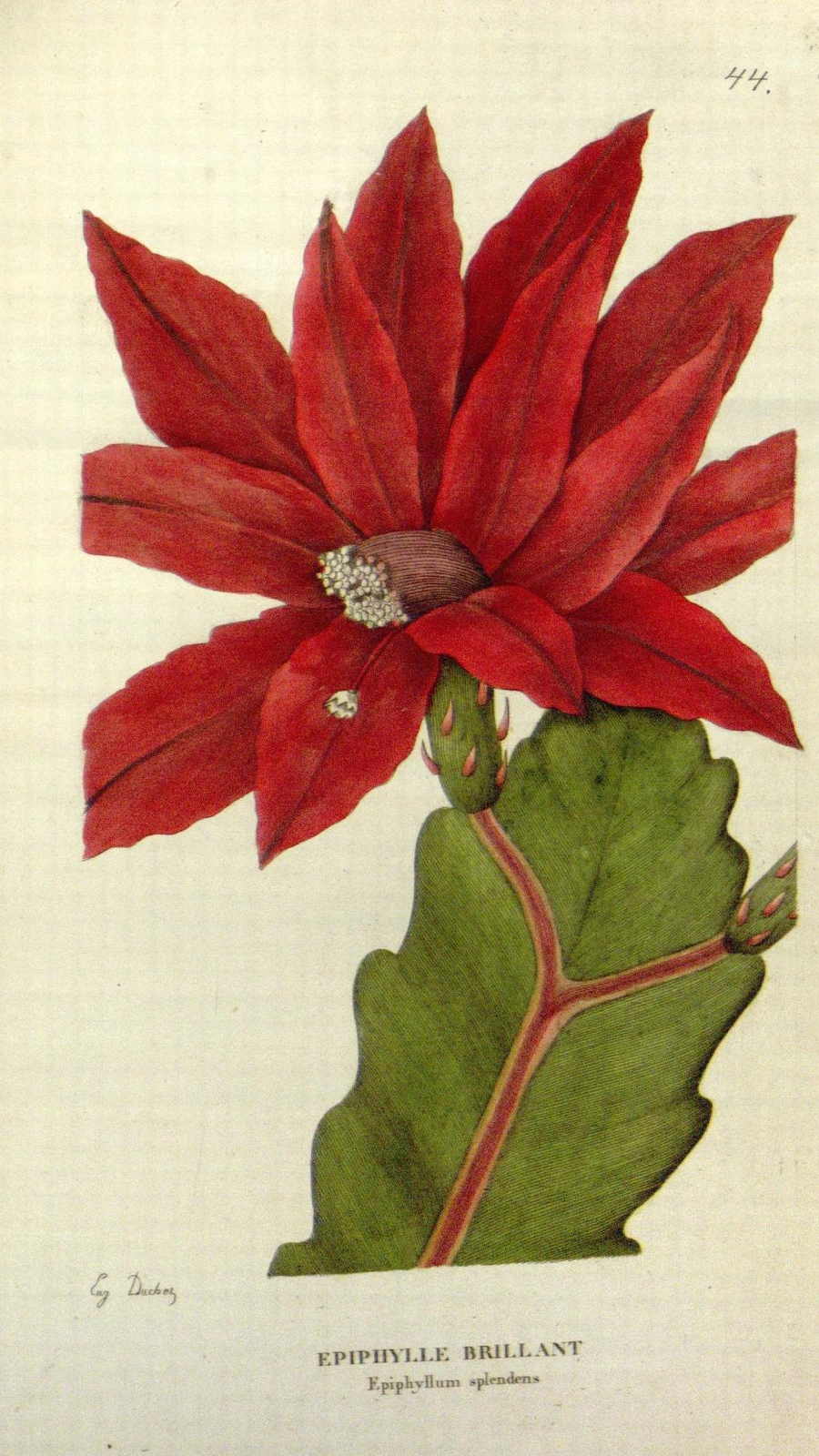 Reference image
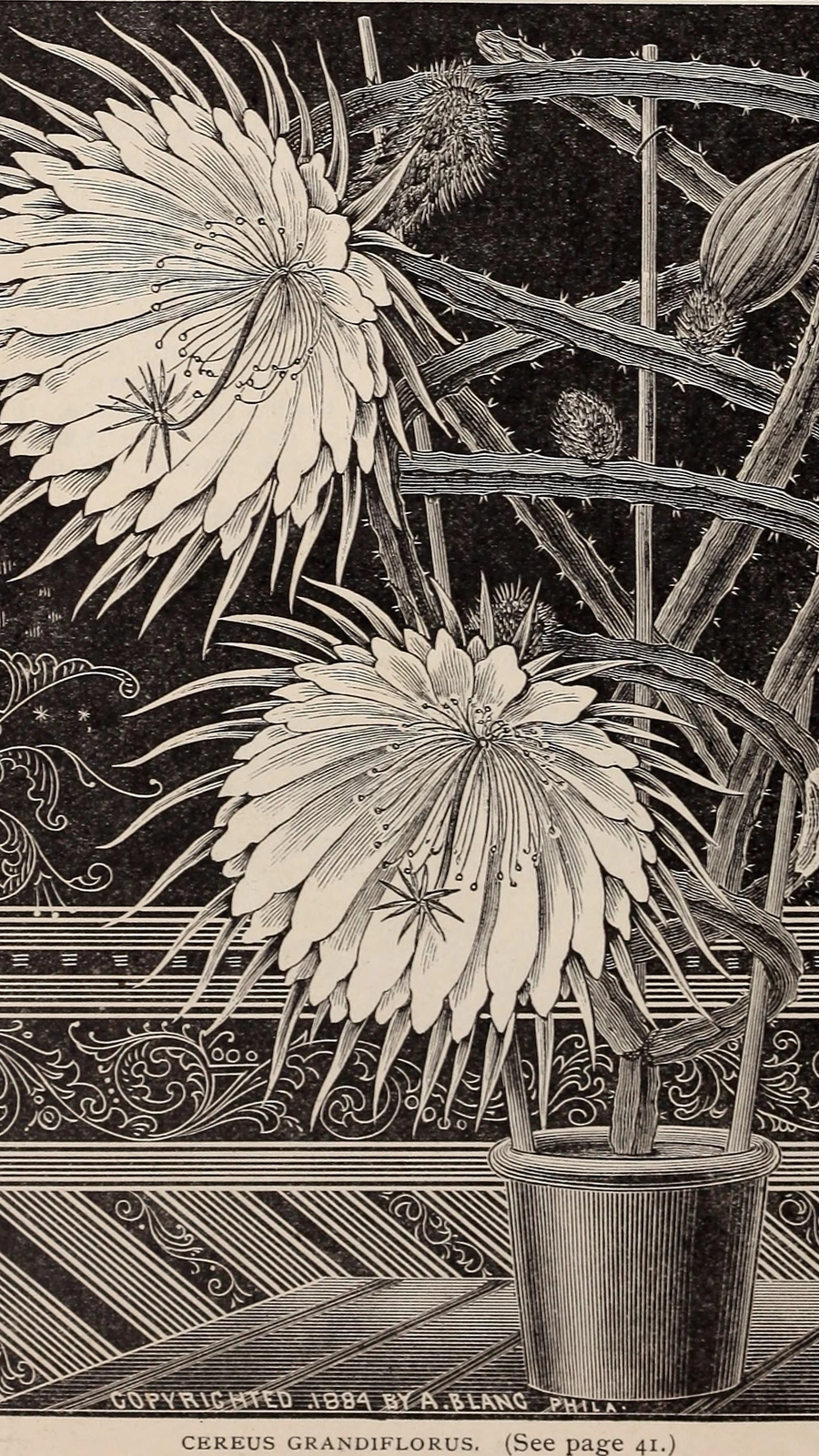 Reference image
Splendid Orchid Cactus
Epiphyllum × splendens is a magnificent hybrid orchid cactus belonging to the family Cactaceae 1. Renowned for its large, showy, and often fragrant blossoms, it is highly sought after by collectors and indoor plant enthusiasts alike for its cascading growth habit.
The genus Epiphyllum consists of epiphytic cacti native to Central and South America 2. The '×' symbol indicates its hybrid origin, while the specific epithet 'splendens' is Latin for 'glowing' or 'splendid', referring to its exceptionally vibrant flowers that showcase horticultural breeding success.
While parent species hail from wet tropical rainforests where they grow high up in tree canopies, this hybrid is strictly a product of cultivated selection 1. It thrives in environments that mimic tropical microclimates: high humidity, dappled light, and constant air movement.
This plant features long, flattened, leaf-like green stems with scalloped margins. The spines are absent or reduced to tiny bristles. Flowers open from late spring to summer, presenting large, trumpet-shaped structures in brilliant shades of pink, red, or orange 2.
It prefers bright, indirect sunlight and a well-drained, porous growing medium consisting of orchid bark, peat, and perlite. Regular watering during the active growth phase is crucial, but waterlogging must be strictly avoided to prevent root rot.
Overwatering in heavy, compacted soils is the leading cause of plant decline. Lack of humidity or extreme temperature fluctuations can cause developing flower buds to drop prematurely before they open.
Prefers bright, indirect or filtered sunlight; protect from harsh midday sun.
Water when the top of the soil dries out; reduce watering significantly in winter.
Requires airy, fast-draining soil mix with organic matter, perlite, and bark.
Non-toxic and safe for dogs, cats, and humans.
Moderate care; needs attentive watering and humidity adjustments.
The ancestral parent species are native to the tropical rainforests of Central America and Mexico. This hybrid selection has been bred and refined in nursery conditions.
