
Light
Bright Indirect Light
Requires bright filtered light or partial sun to maintain dense white spines.
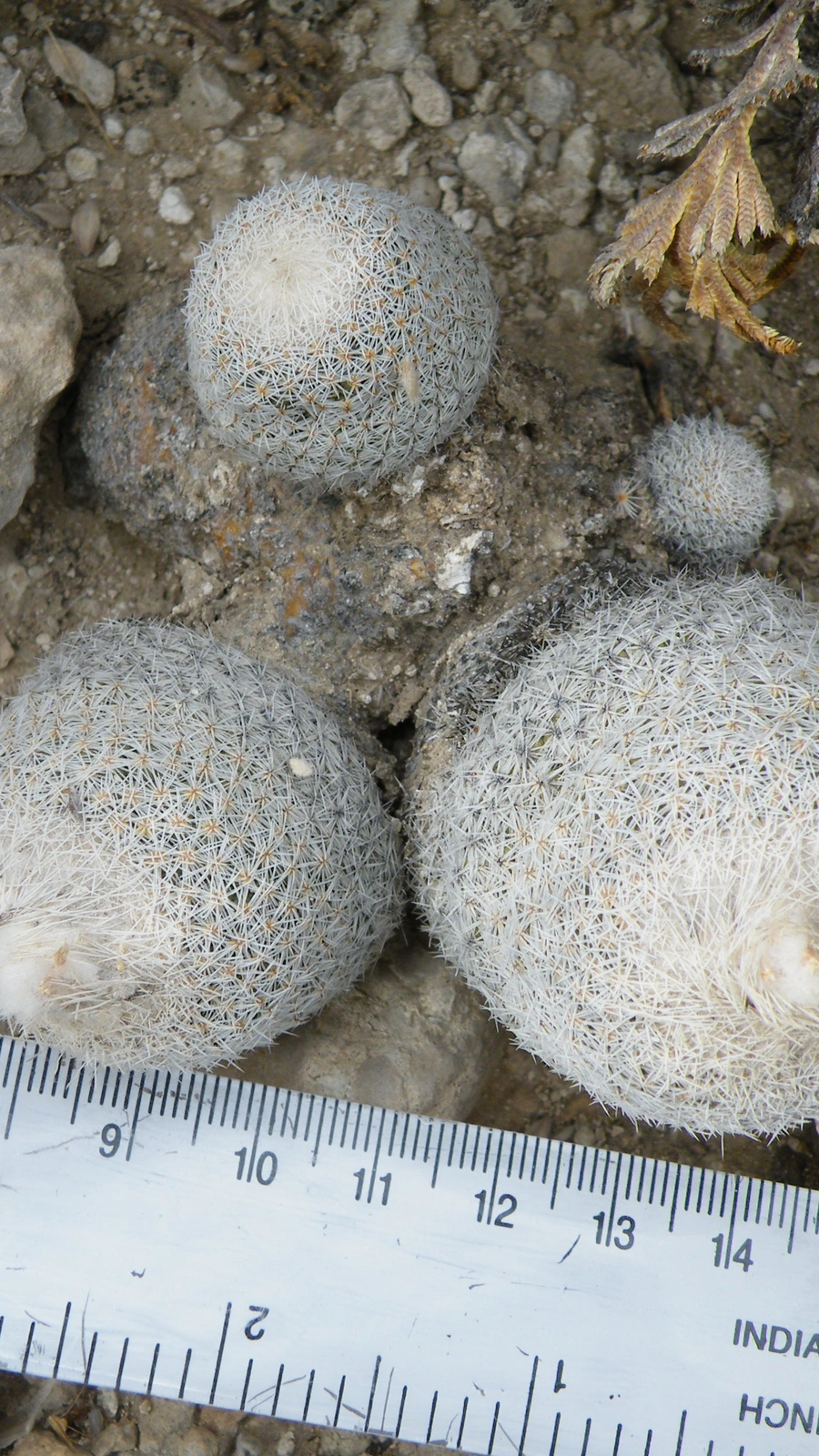 Reference image
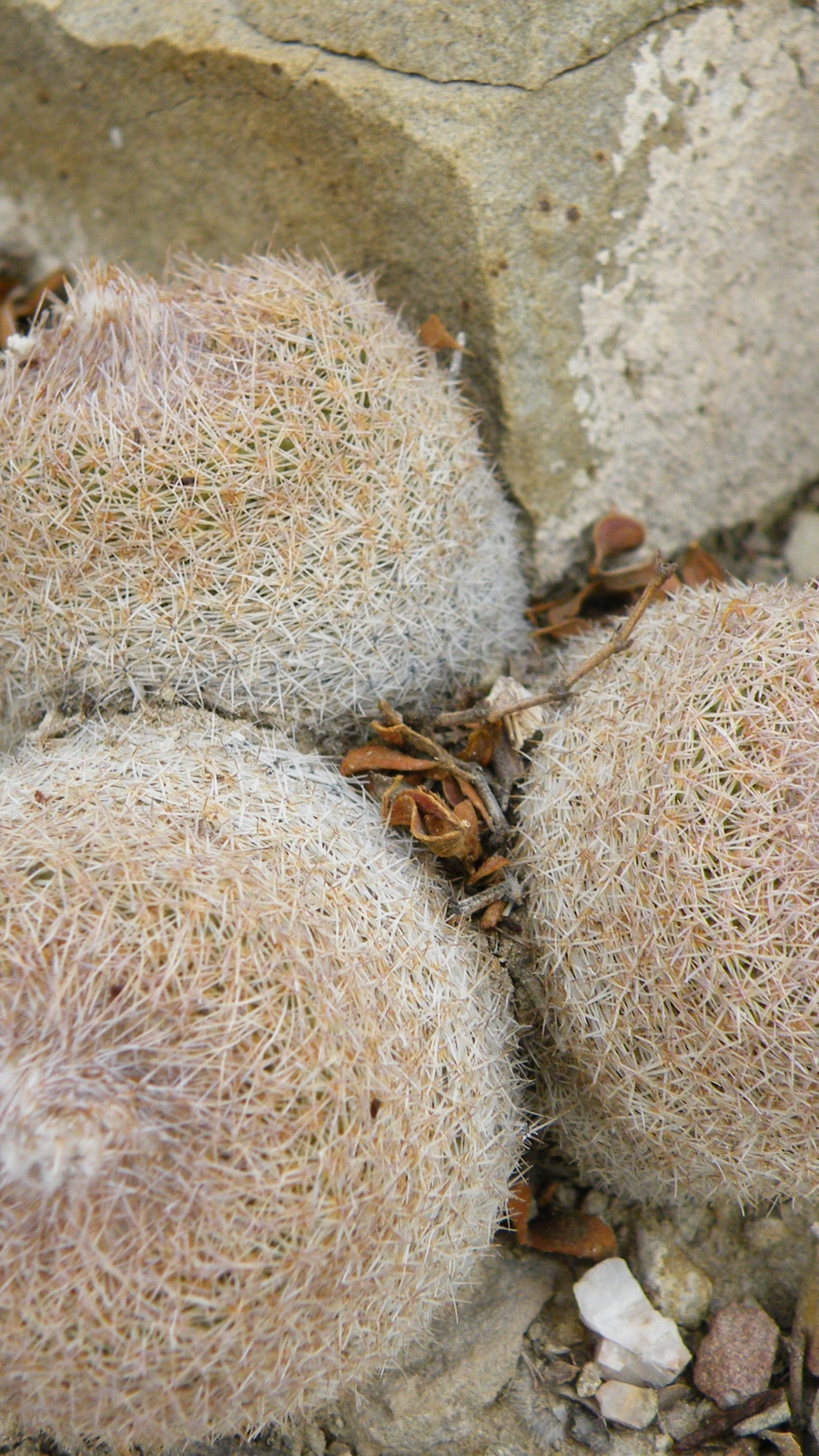 Reference image
Many-Headed Button Cactus
Epithelantha polycephala is a miniature, clustering succulent subshrub belonging to the Cactaceae family. Renowned for its incredibly dense, chalky-white spine cover, it resembles tiny, intricate yarn balls or white buttons. This slow-growing species is highly coveted by succulent enthusiasts worldwide for its geometric appeal and extreme adaptation to arid environments [1].
Classified within the genus Epithelantha, the specific epithet "polycephala" originates from Greek, meaning "many-headed." This refers to its distinct botanical habit of producing numerous offsets from the base as it matures, eventually forming tight, multi-headed mounds or cushions [2].
This species is native to the arid desert regions of northern and eastern Mexico, including the states of Coahuila, Nuevo León, San Luis Potosí, and Zacatecas. It thrives almost exclusively on steep limestone hills, rocky outcrops, and gravelly slopes, wedged into small crevices where water drains immediately [1].
The individual stems are globose to shortly cylindrical, measuring 2-5 cm in diameter. The epidermis is entirely obscured by numerous tiny, closely-set areoles bearing fine, white radial spines. In late spring, small, delicate pinkish-white flowers emerge from the woolly apex, followed by elongated, decorative bright red fruits [2].
In cultivation, Epithelantha polycephala demands an open, sharp-draining mineral substrate composed primarily of pumice, poultry grit, and limestone gravel. Water should be applied only when the substrate is completely dry. Full to bright filtered sunlight is necessary to maintain the dense, tight arrangement of white spines.
The most prevalent issue is root rot triggered by organic-rich soils or overwatering. Lack of air circulation and inadequate light will cause the plant to lose its compact shape, leading to unsightly, weakened etiolated growth.
[1] Plants of the World Online (POWO), Kew Royal Botanic Gardens. [2] Anderson, E. F. (2001). The Cactus Family. Timber Press, Portland, Oregon.
Requires bright filtered light or partial sun to maintain dense white spines.
Water only when the substrate is completely dry. Keep bone dry during winter.
Limestone grit, pumice, and gravel mix with minimal organic material.
Fine spines require careful handling, but the plant is non-toxic to pets.
Moderate; demands strict watering discipline to prevent root rot.
Native to the rocky limestone hills of Coahuila, Nuevo León, San Luis Potosí, and Zacatecas, thriving in highly mineralized, well-draining desert soils.
