
Light
Bright Indirect Light
Requires at least 6 hours of bright filtered sunlight; protect from scorching midday sun.
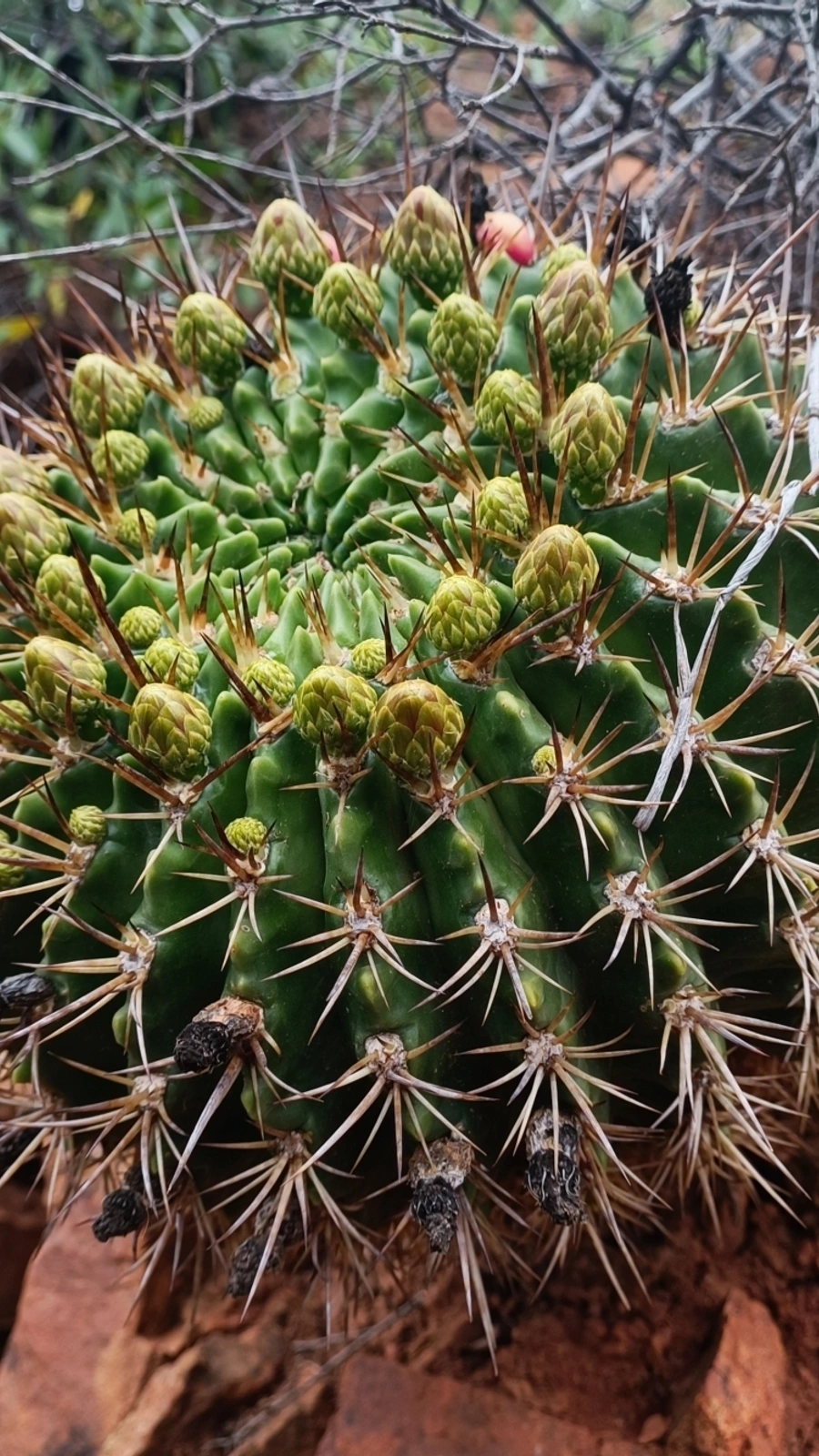 Reference image
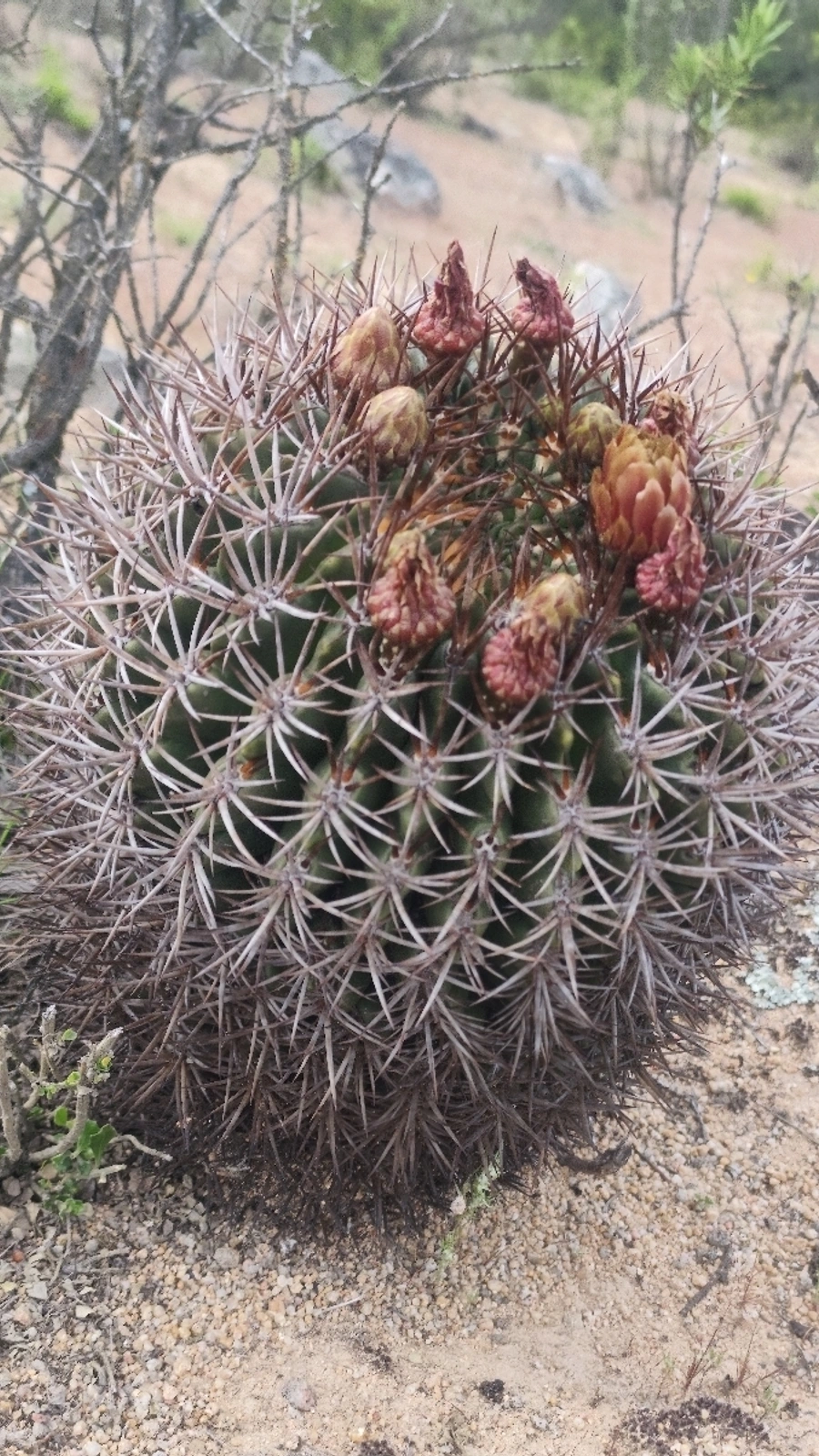 Reference image
Eriosyce armata is a highly sought-after, slow-growing member of the Cactaceae family. Originating from the hyper-arid coastal and semi-desert regions of Chile, this succulent subshrub has evolved remarkable adaptations to survive some of the harshest environments on Earth 1.
Belonging to the genus Eriosyce, this species is sometimes classified under the synonym Neoporteria armata. The genus name Eriosyce is derived from the Greek words 'erion' (wool) and 'syke' (fig), highlighting the characteristic woolly seed pods. The specific epithet 'armata' translates from Latin to 'armed' or 'fortified,' referring to its dense, protective spine cover 2.
Native to the coastal hillsides of northern and central Chile, particularly near the southern limits of the Atacama Desert, Eriosyce armata thrives on steep, rocky slopes. These habitats receive virtually no rainfall, relying almost entirely on the dense coastal fogs known locally as 'camanchaca' for atmospheric moisture 1.
The plant body is globose to shortly cylindrical, with deeply notched ribs decorated with prominent aeroles. Strong, curved, dark-colored spines emerge from these aeroles, forming a protective cage around the stem. Showy, funnel-shaped yellow flowers arise from the woolly apex during the growing season.
In cultivation, Eriosyce armata requires bright, filtered sunlight to keep its compact form and rich spine coloration. Excellent drainage is paramount; the substrate must dry out completely between waterings. During winter dormancy, watering should be suspended entirely.
The most frequent mistakes include using standard organic potting soils and overwatering during the cold winter months, which quickly triggers fatal root rot 2.
Requires at least 6 hours of bright filtered sunlight; protect from scorching midday sun.
Water thoroughly only when the soil is completely dry, and suspend watering in winter.
Use a highly gritty, mineral-based cactus mix containing pumice, gravel, and minimal peat.
Non-toxic to pets, but possesses sharp, rigid spines that can cause physical injury.
Moderate. Requires strict discipline with watering and highly draining soil.
Native to the coastal cliffs and dry hillsides of Chile, adapting to thrive on atmospheric moisture from coastal fogs in gravelly, mineral-rich soils.
