Genus

Eriosyce

Eriosyce

Auto-generated taxonomy record for Eriosyce.

Child Taxa

Species Eriosyce aconcaguensis Eriosyce aconcaguensis Species Eriosyce andicola Eriosyce andicola Species Eriosyce andreaeana Eriosyce andreaeana Species Eriosyce armata Eriosyce armata Species Eriosyce aspillagae Eriosyce aspillagae Species Eriosyce atroviridis Eriosyce atroviridis Species Eriosyce aurata Eriosyce aurata Species Eriosyce bulbocalyx Eriosyce bulbocalyx Species Eriosyce calderana Eriosyce calderana Species Eriosyce caliginiphila Eriosyce caliginiphila Species Eriosyce camanaensis Eriosyce camanaensis Species Eriosyce castanea Eriosyce castanea Species Eriosyce chilensis Eriosyce chilensis Species Eriosyce choapensis Eriosyce choapensis Species Eriosyce clavata Eriosyce clavata Species Eriosyce coimasensis Eriosyce coimasensis Species Eriosyce crispa Eriosyce crispa Species Eriosyce curvispina Eriosyce curvispina Species Eriosyce duripulpa Eriosyce duripulpa Species Eriosyce elquiensis Eriosyce elquiensis Species Eriosyce engleri Eriosyce engleri Species Eriosyce eriosyzoides Eriosyce eriosyzoides Species Eriosyce esmeraldana Eriosyce esmeraldana Species Eriosyce fankhauseri Eriosyce fankhauseri Species Eriosyce fulva Eriosyce fulva Species Eriosyce garaventae Eriosyce garaventae Species Eriosyce glabrescens Eriosyce glabrescens Species Eriosyce grandiflora Eriosyce grandiflora Species Eriosyce heinrichiana Eriosyce heinrichiana Species Eriosyce horrida Eriosyce horrida Species Eriosyce iquiquensis Eriosyce iquiquensis Species Eriosyce islayensis Eriosyce islayensis Species Eriosyce jussieui Eriosyce jussieui Species Eriosyce krausii Eriosyce krausii Species Eriosyce kunzei Eriosyce kunzei Species Eriosyce lichyi Eriosyce lichyi Species Eriosyce limariensis Eriosyce limariensis Species Eriosyce litoralis Eriosyce litoralis Species Eriosyce malleolata Eriosyce malleolata Species Eriosyce marksiana Eriosyce marksiana Species Eriosyce megliolii Eriosyce megliolii Species Eriosyce mutabilis Eriosyce mutabilis Species Eriosyce napina Eriosyce napina Species Eriosyce nigrihorrida Eriosyce nigrihorrida Species Eriosyce occulta Eriosyce occulta Species Eriosyce odieri Eriosyce odieri Species Eriosyce orientalis Eriosyce orientalis Species Eriosyce paucicostata Eriosyce paucicostata Species Eriosyce recondita Eriosyce recondita Species Eriosyce riparia Eriosyce riparia Species Eriosyce robusta Eriosyce robusta Species Eriosyce rodentiophila Eriosyce rodentiophila Species Eriosyce senilis Eriosyce senilis Species Eriosyce simulans Eriosyce simulans Species Eriosyce sociabilis Eriosyce sociabilis Species Eriosyce spectabilis Eriosyce spectabilis Species Eriosyce strausiana Eriosyce strausiana Species Eriosyce subgibbosa Eriosyce subgibbosa Species Eriosyce taltalensis Eriosyce taltalensis Species Eriosyce tenebrica Eriosyce tenebrica Species Eriosyce tuberculosa Eriosyce tuberculosa Species Eriosyce umadeave Eriosyce umadeave Species Eriosyce vallenarensis Eriosyce vallenarensis Species Eriosyce villicumensis Eriosyce villicumensis Species Eriosyce villosa Eriosyce villosa Species Eriosyce wagenknechtii Eriosyce wagenknechtii

Plants In This Group

Eriosyce aconcaguensis

Eriosyce aconcaguensis

Eriosyce aconcaguensis

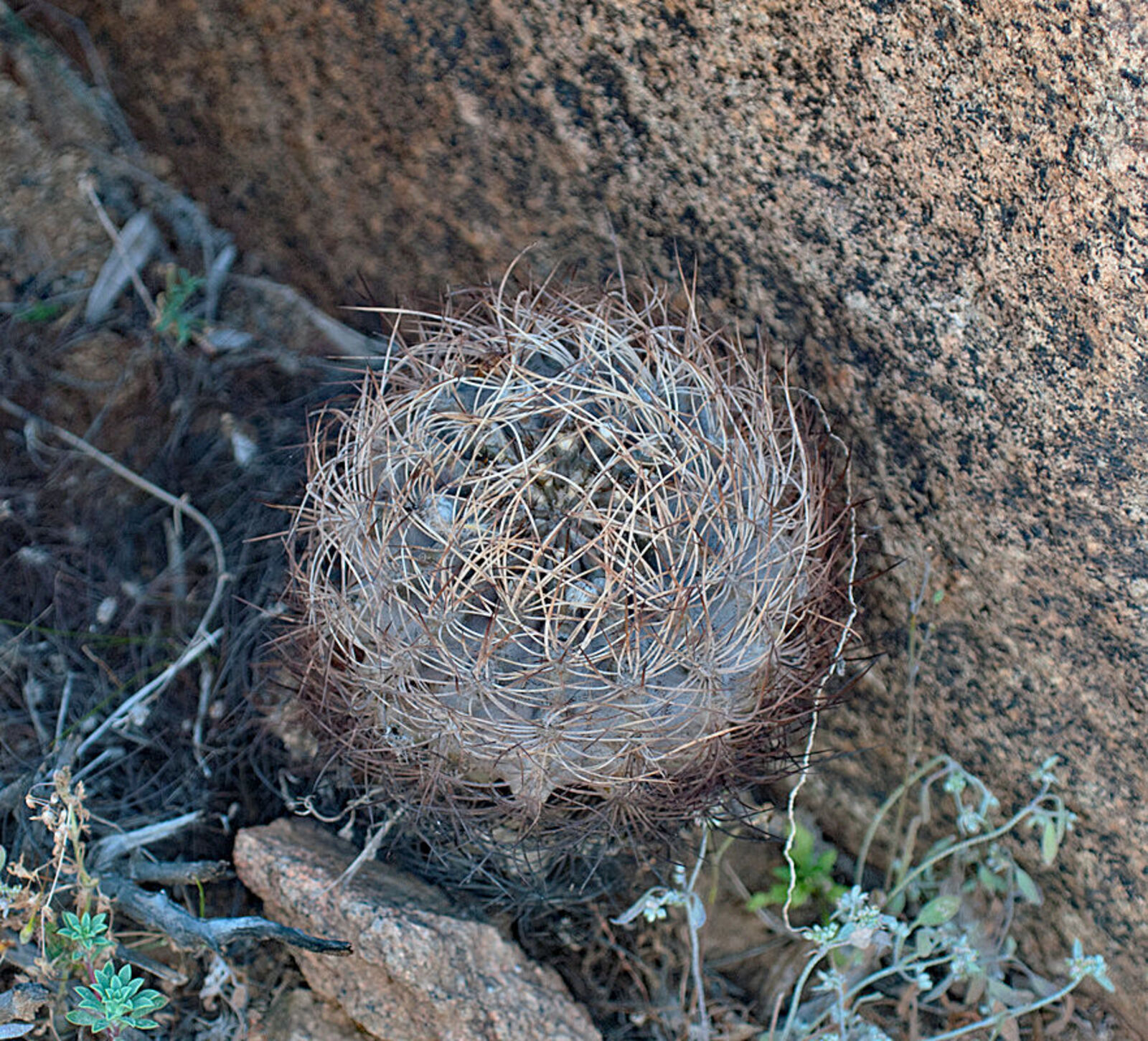
Eriosyce aconcaguensis is a distinctive and highly sought-after member of the Cactaceae family, native to the rugged mountainous terrains of South America. Known as a succulent subshrub, it forms a globose to short cylindrical body heavily armed with spines, adapted to survive extreme droughts and high diurnal temperature swings .
Eriosyce andicola

Eriosyce andicola

Eriosyce andicola

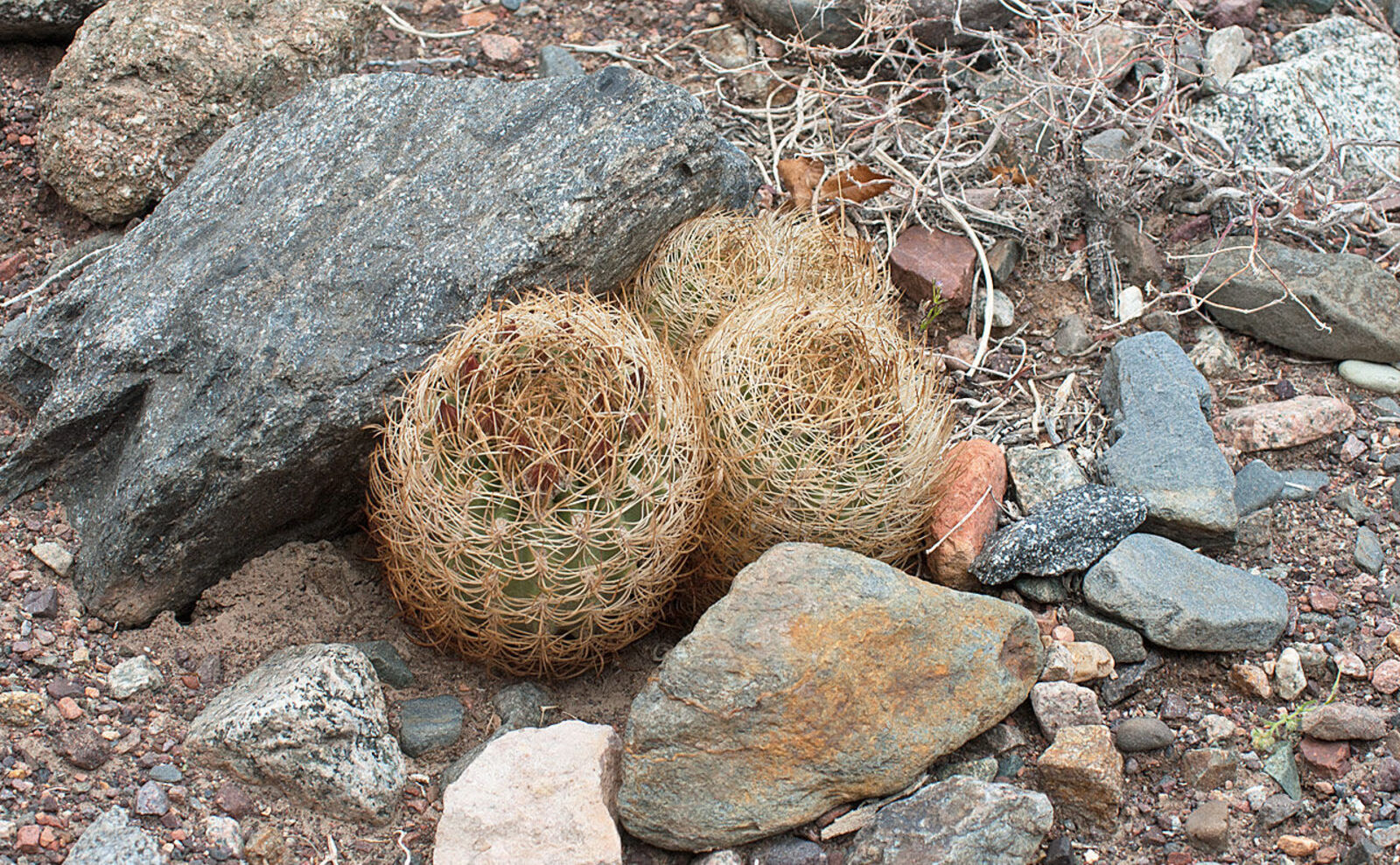
Eriosyce andicola is a highly specialized cactus species within the family Cactaceae, belonging to the genus Eriosyce. It exhibits a succulent subshrub lifeform, adapted to endure extreme high-altitude alpine climates, characterized by intense solar radiation and sharp diurnal temperature drops .

Eriosyce andreaeana

Eriosyce andreaeana

Eriosyce andreaeana

Eriosyce andreaeana is a slow-growing, highly sought-after succulent subshrub in the family Cactaceae. Known for its compact habit and intricate, dark spination, this species is a prized gem among succulent collectors and represents a classic high-altitude desert dweller .

Eriosyce armata

Eriosyce armata

Eriosyce armata

Eriosyce armata is a highly sought-after, slow-growing member of the Cactaceae family. Originating from the hyper-arid coastal and semi-desert regions of Chile, this succulent subshrub has evolved remarkable adaptations to survive some of the harshest environments on Earth .

Eriosyce aspillagae

Eriosyce aspillagae

Eriosyce aspillagae

Eriosyce aspillagae is a rare, slow-growing, globose cactus species belonging to the family Cactaceae. In its native habitat, it displays a geophytic tendency, often remaining semi-buried in the soil to endure extreme dry periods .
Eriosyce atroviridis

Eriosyce atroviridis

Eriosyce atroviridis

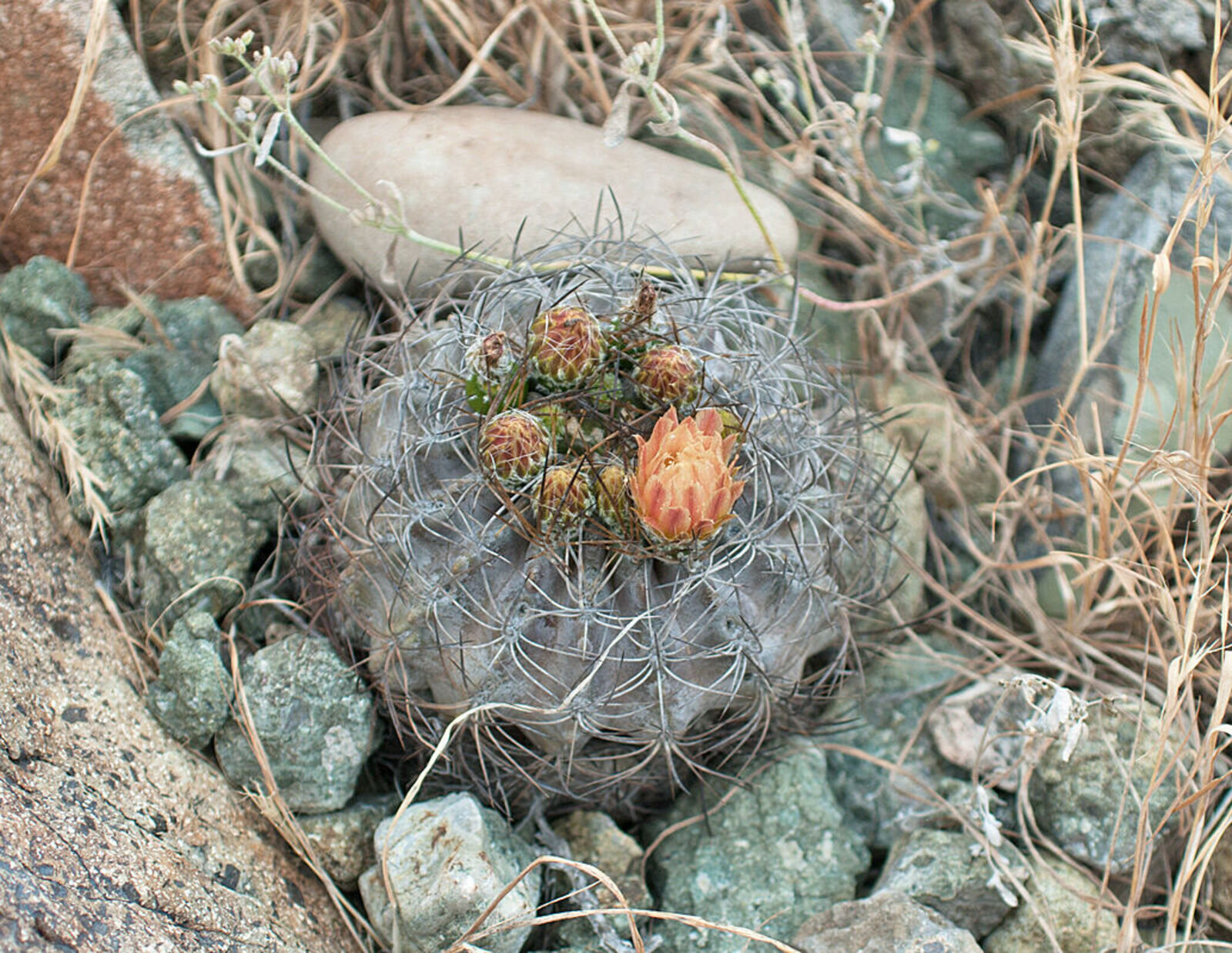
Eriosyce atroviridis is an exquisite, slow-growing cactus species native to the arid desert regions of Chile. Characterized by its dark, almost black-green globose stem, this plant is highly prized among succulent enthusiasts for its rugged texture and unique presentation .
Eriosyce aurata

Eriosyce aurata

Eriosyce aurata

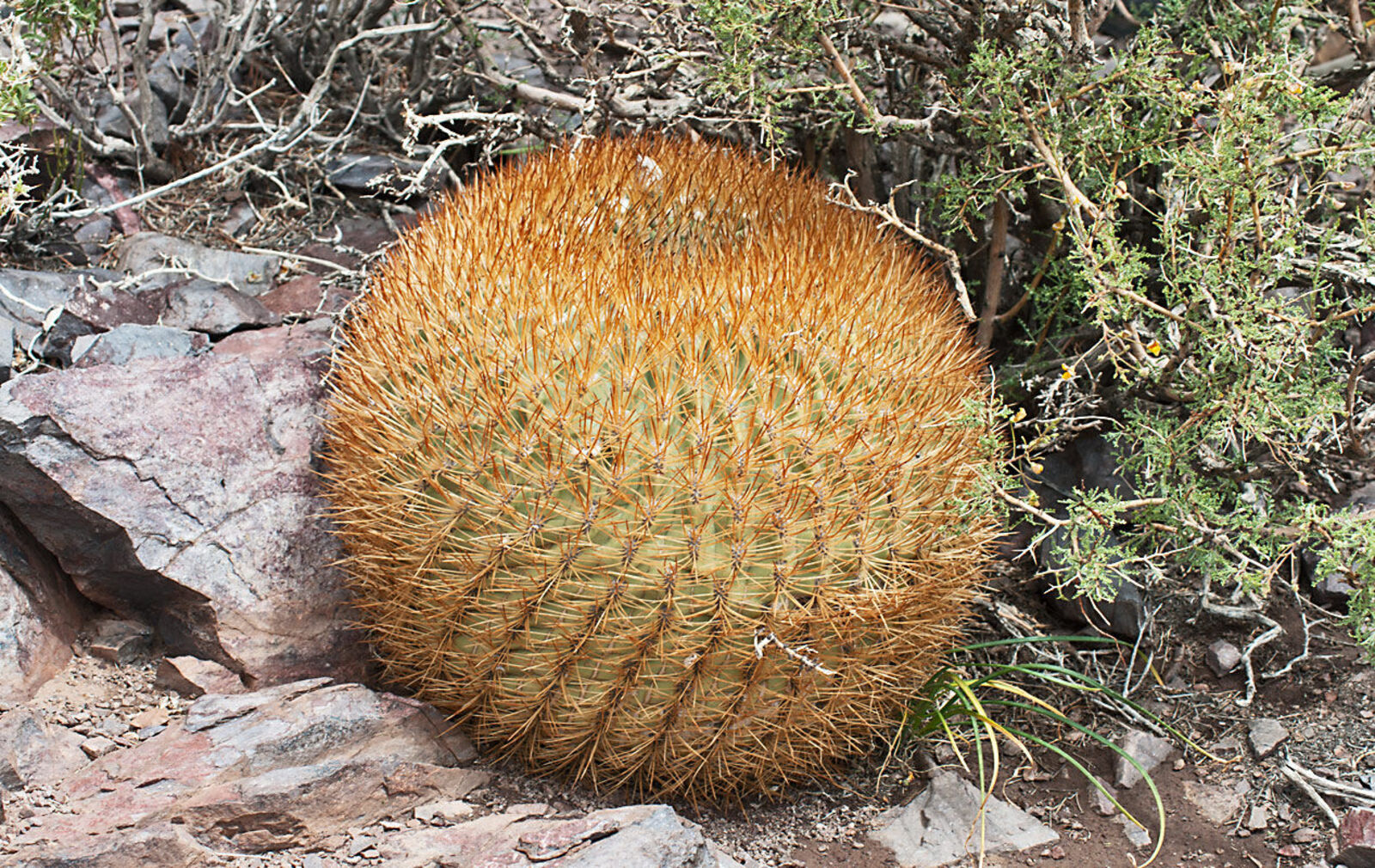
Eriosyce aurata is an iconic, slow-growing succulent subshrub in the Cactaceae family, renowned for its massive globose body clothed in dense golden-yellow spines. Adapted to extremely arid montane environments, this species is highly prized among succulent collectors for its sculptural form and challenging cultivation .

Eriosyce bulbocalyx

Eriosyce bulbocalyx

Eriosyce bulbocalyx

Eriosyce bulbocalyx is a slow-growing, solitary globose cactus species from the Cactaceae family, highly appreciated by collectors for its dense, beautifully curved spine cover .

Eriosyce calderana

Eriosyce calderana

Eriosyce calderana

Eriosyce calderana is a rare and highly prized succulent subshrub cactus in the Cactaceae family, native to the hyper-arid coastal regions of Chile. Shaped by extreme drought and dense coastal fogs (locally known as camanchaca), its morphological adaptation is a testament to survival in hostile desert terrains.

Eriosyce caliginiphila

Eriosyce caliginiphila

Eriosyce caliginiphila

Eriosyce caliginiphila is an extremely rare, highly specialized cactus species endemic to the hyper-arid coastal cliffs of northern Chile. Its specific epithet translates to "fog-loving," reflecting its reliance on coastal fog .

Eriosyce camanaensis

Eriosyce camanaensis

Eriosyce camanaensis

Eriosyce camanaensis is a remarkable and highly collectible member of the Cactaceae family. Characterized as a succulent subshrub, it has evolved brilliant strategies to survive in extremely arid coastal desert conditions, boasting a dense spiny covering and a globose structure .

Eriosyce castanea

Eriosyce castanea

Eriosyce castanea

Eriosyce castanea is an exquisite, slow-growing globular cactus native to the arid environments of Chile. Belonging to the succulent subshrub lifeform of the Cactaceae family, this species is highly valued among collectors for its distinctive deep brownish-copper epidermis and thick, resilient body structure .
Eriosyce chilensis

Eriosyce chilensis

Eriosyce chilensis

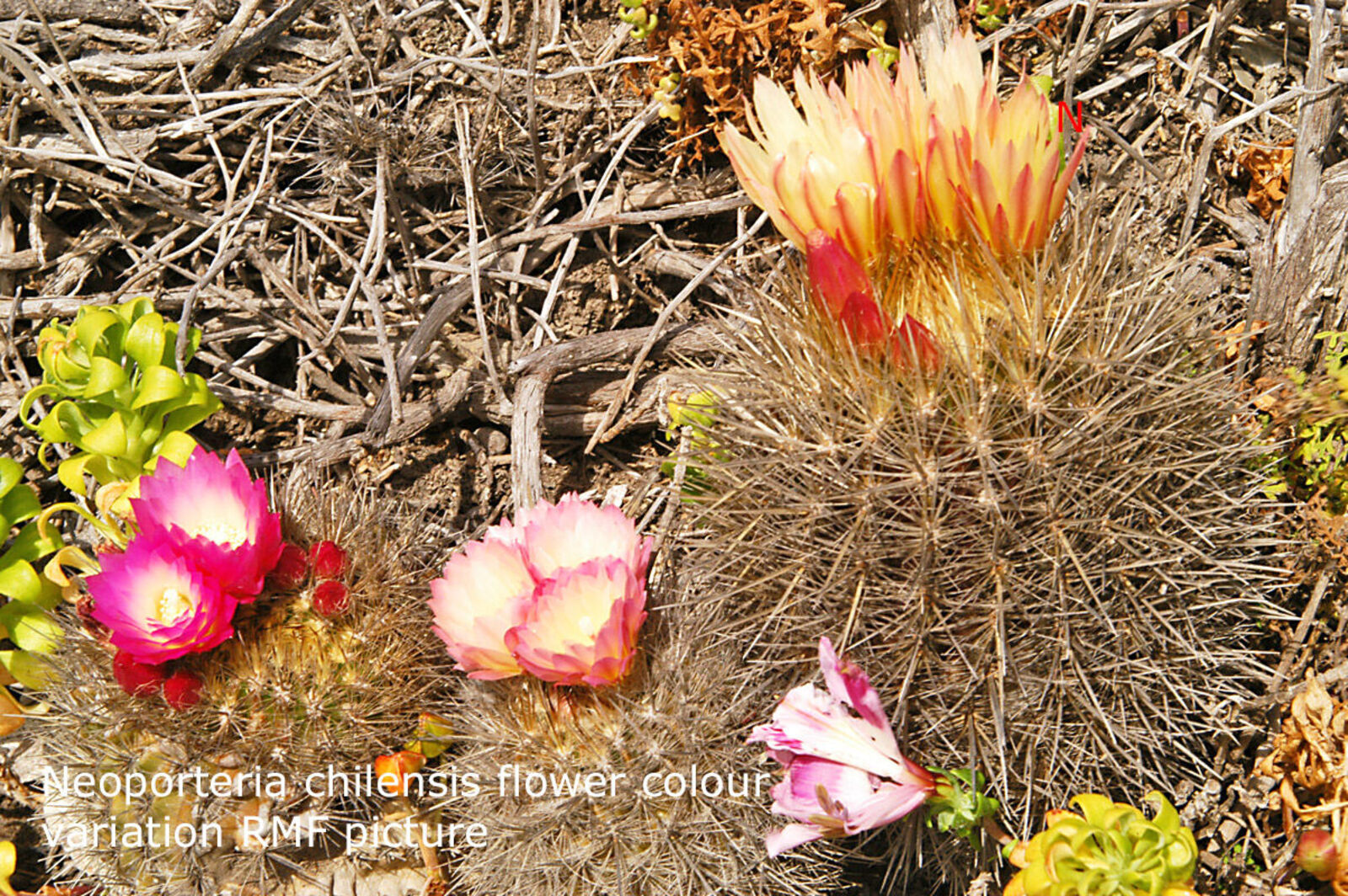
Eriosyce chilensis is a highly sought-after, rare cactus species belonging to the family Cactaceae. Due to its very restricted natural habitat and anthropogenic pressures, it is classified as Critically Endangered on the IUCN Red List .

Eriosyce choapensis

Eriosyce choapensis

Eriosyce choapensis

Eriosyce choapensis is a highly prized and rare globose cactus species belonging to the family Cactaceae, endemic to the arid regions of Chile 1. It is well-adapted to surviving in hyper-arid habitats.

Taxonomy

Named after the Choapa province in Chile, this species has historically been classified under Neoporteria or Pyrrhocactus 2. Modern botanical consensus places it firmly within the diverse genus Eriosyce.

Distribution and Habitat

Its natural range is confined to the Choapa Valley in the Coquimbo region of Chile. It grows on rocky slopes, barren scree, and mineral-heavy soils with practically no organic matter 1.

Appearance

The plant is single-stemmed, globose to short-cylindrical, with a dark-green to greyish epidermis. It features pronounced ribs adorned with strong, central, and radial spines. It produces funnel-shaped flowers ranging from yellow to reddish hues near the apex 2.

Cultivation

This species demands exceptional drainage and maximum sunlight exposure. Watering must follow the "soak and dry" method, and the soil must remain completely dry throughout the cold winter rest.

Common Mistakes

Overwatering is the primary cause of failure, rapidly leading to root rot. Using standard potting soils instead of gritty mineral mixes, and keeping the plant in shaded conditions will cause etiolation.

References

  1. Kew Plants of the World Online (POWO), Eriosyce Database.
  2. International Cactus Adventures, Taxonomic review of Chilean Cactaceae.
Eriosyce clavata

Eriosyce clavata

Eriosyce clavata

Eriosyce clavata is a small, succulent subshrub in the Cactaceae family, highly prized by collectors for its rugged spine pattern and distinct growth form . It is adapted to survival in the arid, sun-baked environments of South America.

Eriosyce coimasensis

Eriosyce coimasensis

Eriosyce coimasensis

Eriosyce coimasensis is an attractive and hardy cactus species native to the arid mountains and dry shrublands of Chile . Belonging to the family Cactaceae, it is highly valued by succulent enthusiasts for its dense, colorful spination and beautiful funnel-shaped flowers.

Eriosyce crispa

Eriosyce crispa

Eriosyce crispa

Eriosyce crispa is a slow-growing, highly sought-after succulent subshrub belonging to the family Cactaceae. It is widely appreciated among cactus enthusiasts for its globose, dark-toned stems and dramatic, upward-curving blackish spines contrasting with delicate pastel flowers.

Eriosyce curvispina

Eriosyce curvispina

Eriosyce curvispina

Eriosyce curvispina is a perennial, globose succulent subshrub in the Cactaceae family, highly appreciated by collectors for its robust spination and beautiful bell-shaped flowers.

Eriosyce duripulpa

Eriosyce duripulpa

Eriosyce duripulpa

Eriosyce duripulpa is a highly specialized, small-bodied geophytic cactus species belonging to the Cactaceae family. Native to the extremely arid coastal deserts of Chile, it is highly prized among succulent enthusiasts for its massive, water-storing taproot and its ability to retract into the ground during dry spells .

Eriosyce elquiensis

Eriosyce elquiensis

Eriosyce elquiensis

Eriosyce elquiensis is an exquisite and rare succulent subshrub in the Cactaceae family, highly prized by collectors for its dense, dark spination and neat globular growth habit. It is native to the arid valleys of Chile, where it survives under extreme desert conditions.

Eriosyce engleri

Eriosyce engleri

Eriosyce engleri

Eriosyce engleri is a slow-growing, solitary globose cactus native to the high-altitude regions of Central Chile. Belonging to the Cactaceae family, this species is highly valued by collectors for its dense, fierce spination and capability to withstand harsh, arid conditions 1.

Taxonomy and Naming

Named in honor of the renowned German botanist Adolph Engler, this species has been classified under several genera over time. Its synonyms include Pyrrhocactus engleri and Horridocactus engleri . Modern classification places it firmly within the diverse genus Eriosyce due to floral and seed morphology.

Distribution and Habitat

It is endemic to central Chile, specifically across the Santiago, Valparaíso, O'Higgins, and Coquimbo regions. It thrives in montane desert habitats and dry shrublands on steep, rocky slopes at elevations ranging from 1,000 to 2,000 meters above sea level.

Appearance

The dark green to grayish-green stem is initially globose, eventually becoming shortly cylindrical with age. It features prominent ribs armed with strong, rigid, grayish-brown to blackish spines. The diurnal flowers appear at the apex, presenting shades of yellow, copper, or pale red.

Cultivation and Care

In cultivation, Eriosyce engleri requires exceptional drainage to prevent root loss. A mineral-heavy substrate enriched with pumice, lava grit, and coarse sand is essential. Water deeply but infrequently during the hot summer months, and keep completely dry throughout the cold winter dormancy.

Common Care Mistakes

The most prevalent issue is overwatering during winter, which leads to immediate root rot. Lack of adequate ventilation and bright light will cause etiolation, weak spine growth, and make the plant susceptible to fungal pathogens.

References

  1. IUCN Red List of Threatened Species, Eriosyce engleri assessment. Royal Botanic Gardens, Kew - Plants of the World Online (POWO).
Eriosyce eriosyzoides

Eriosyce eriosyzoides

Eriosyce eriosyzoides

Eriosyce eriosyzoides is a slow-growing, globose to subcylindrical succulent cactus in the Cactaceae family. Known for its tough epidermis and remarkably dense, curved spine structure, this species is highly valued by collectors for its rugged, wild appearance and attractive flowers that emerge from woolly crown areoles .
Eriosyce esmeraldana

Eriosyce esmeraldana

Eriosyce esmeraldana

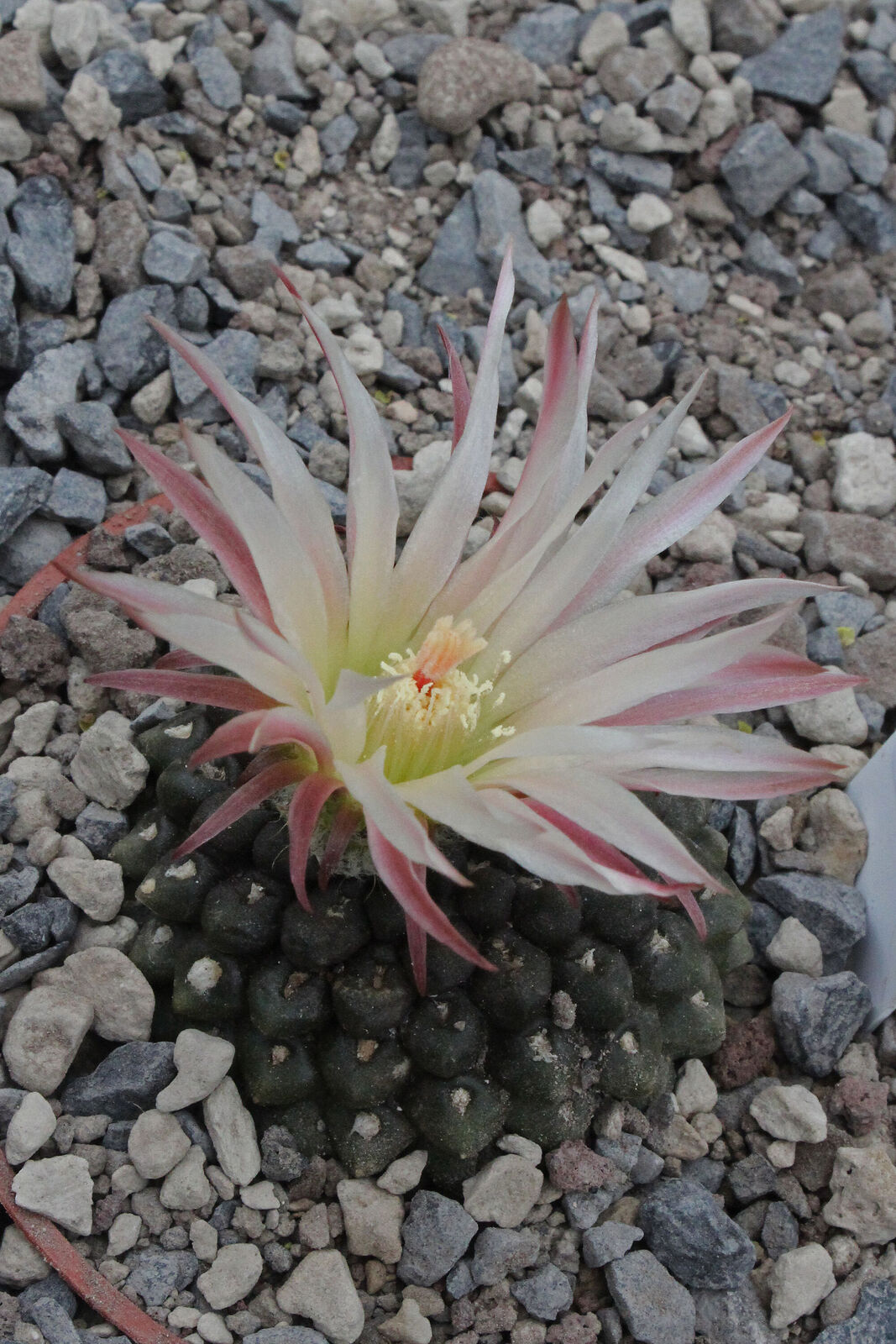
Eriosyce esmeraldana is a highly sought-after, miniature cactus species endemic to the extremely arid coastal regions of northern Chile . It is well-regarded among collectors for its dark, globose stem and substantial underground taproot.
Eriosyce fankhauseri

Eriosyce fankhauseri

Eriosyce fankhauseri

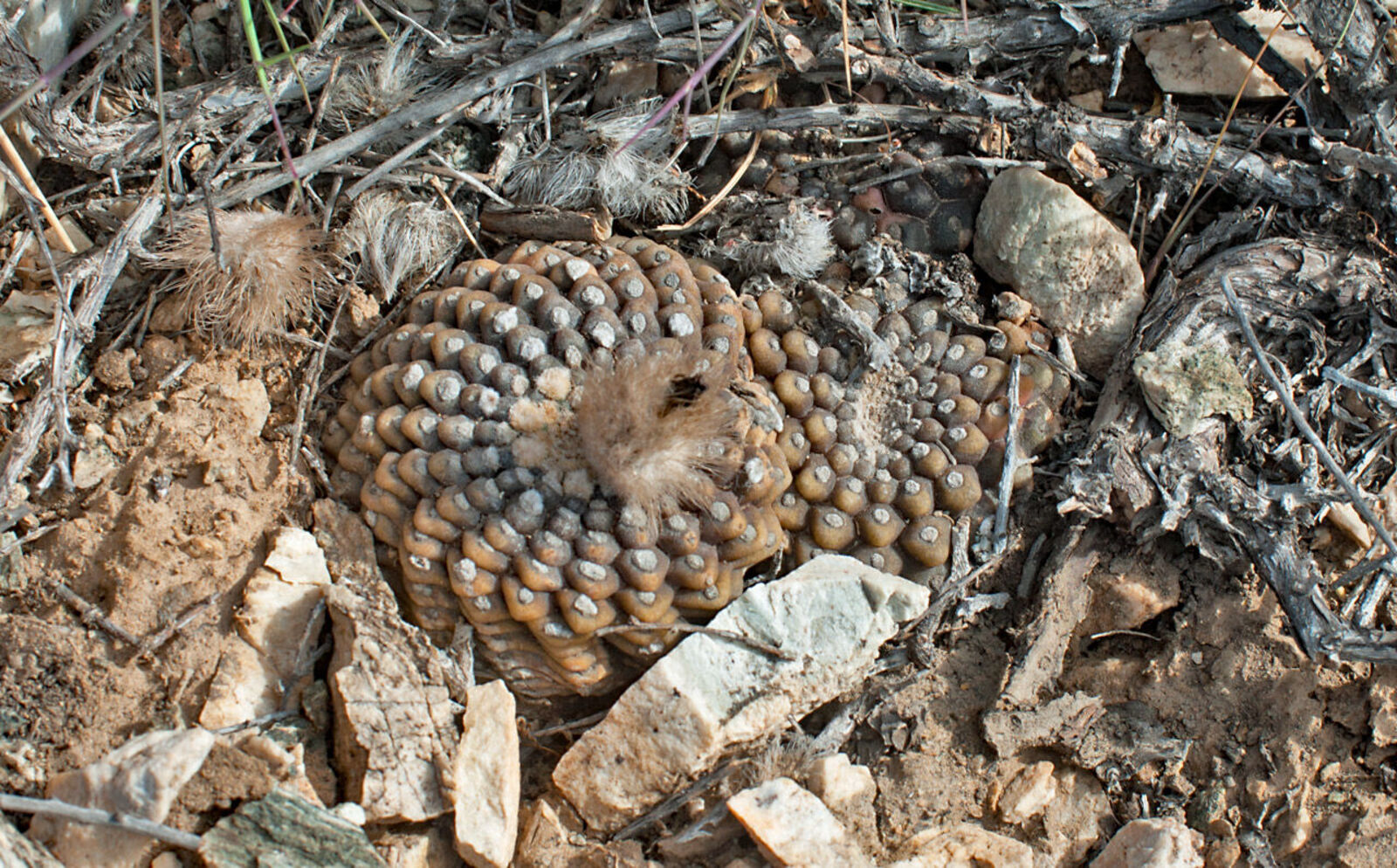
Eriosyce fankhauseri is an extremely rare, solitary, and globose cactus species native to the arid coastal regions of Chile. Highly prized by specialized succulent collectors, it is known for its intense spine cover and beautiful, slow-growing form .

Eriosyce fulva

Eriosyce fulva

Eriosyce fulva

Eriosyce fulva is a rare, slow-growing globose cactus in the family Cactaceae, native to the highly arid desert regions of Chile . Known for its stunning coat of golden-brown to tawny spines, it is highly valued by succulent collectors worldwide.

Eriosyce garaventae

Eriosyce garaventae

Eriosyce garaventae

Eriosyce garaventae is a rare and highly prized globose cactus species belonging to the family Cactaceae, native to the high-altitude regions of central Chile . Adapted beautifully to extreme mountainous microclimates, this succulent subshrub is defined by its robust spination and slow-growing nature.

Eriosyce glabrescens

Eriosyce glabrescens

Eriosyce glabrescens

Eriosyce glabrescens is a highly specialized cactus species native to the hyper-arid coastal regions of Chile. Characterized by its solitary, globose body and a thick, tuberous taproot, this slow-growing succulent subshrub is prized among collectors for its neat, almost spineless mature appearance.

Eriosyce grandiflora

Eriosyce grandiflora

Eriosyce grandiflora

Eriosyce grandiflora is a slow-growing, globose to cylindrical succulent subshrub belonging to the Cactaceae family, highly prized by collectors for its large and colorful diurnal flowers . It is well-adapted to survive severe drought conditions due to its specialized tuberous root system and dense spination.

Eriosyce heinrichiana

Eriosyce heinrichiana

Eriosyce heinrichiana

Eriosyce heinrichiana is a small, highly decorative cactus species in the family Cactaceae, native to the arid coastal regions and valleys of Chile . Formerly classified under the genera Neoporteria or Pyrrhocactus, it is prized by succulent enthusiasts for its dark-pigmented stem and elegant blooms.

Eriosyce horrida

Eriosyce horrida

Eriosyce horrida

Eriosyce horrida is a highly ornamental and densely spiny cactus species native to the arid regions of Chile, belonging to the Cactaceae family. It is well-known for its globose shape and stiff, dark, formidable spines, adapted to survive in harsh subtropical environments.

Eriosyce iquiquensis

Eriosyce iquiquensis

Eriosyce iquiquensis

Eriosyce iquiquensis is a rare and highly prized succulent subshrub in the family Cactaceae, native to the hyper-arid coastal deserts of northern Chile. Adapted to survive in some of the driest places on Earth, this cactus is characterized by its slow growth rate and dense, protective spination . It is highly valued by specialized collectors for its rugged, wild appearance.

Eriosyce islayensis

Eriosyce islayensis

Eriosyce islayensis

Eriosyce islayensis is a slow-growing, highly xerophytic, and coveted globose cactus species belonging to the Cactaceae family . It is well-regarded for its dense spination and bright yellow apical flowers.

Eriosyce jussieui

Eriosyce jussieui

Eriosyce jussieui

Botanical Overview

Eriosyce jussieui is a remarkable succulent subshrub in the family Cactaceae, endemic to the coastal desert environments of Chile . It is highly appreciated by enthusiasts for its dark-pigmented epidermis and fierce spination.

Eriosyce krausii

Eriosyce krausii

Eriosyce krausii

Eriosyce krausii is an extremely rare, miniature geophytic cactus belonging to the family Cactaceae, endemic to the hyper-arid regions of Chile . Highly prized by specialist succulent collectors, this slow-growing species is characterized by its large taproot, which acts as an underground water reservoir during prolonged droughts.

Eriosyce kunzei

Eriosyce kunzei

Eriosyce kunzei

Eriosyce kunzei is a highly robust, densely spined globose cactus belonging to the family Cactaceae. Famously adapted to survive the harsh arid conditions of South American deserts, this succulent subshrub is highly prized by cactus enthusiasts for its fierce spine coverage and beautiful pastel-toned flowers .

Eriosyce lichyi

Eriosyce lichyi

Eriosyce lichyi

Eriosyce lichyi is a remarkable, small-sized succulent subshrub in the family Cactaceae. Known for its dense, protective spine cover and beautiful funnel-shaped flowers, this cactus is a prized specimen among succulent and cactus enthusiasts worldwide due to its compact growth and desert adaptation .

Eriosyce limariensis

Eriosyce limariensis

Eriosyce limariensis

Eriosyce limariensis is a distinctive, slow-growing globose cactus native to Chile, renowned for its dense spine coverage and solitary growth form. Highly adapted to hyper-arid conditions, this species is coveted by succulent enthusiasts for its geometrical structure and vibrant apical blooms .

Eriosyce litoralis

Eriosyce litoralis

Eriosyce litoralis

Eriosyce litoralis is a slow-growing, highly ornamental cactus species endemic to the arid coastal regions of Chile . Renowned among succulent enthusiasts for its dense spine coverage and vibrant funnel-shaped flowers, this plant is well-adapted to survive in extremely harsh, coastal desert environments.

Eriosyce malleolata

Eriosyce malleolata

Eriosyce malleolata

Eriosyce malleolata is a highly specialized, slow-growing succulent subshrub belonging to the Cactaceae family. Native to the arid landscapes of Chile, this species is admired by succulent enthusiasts for its distinct dark-pigmented epidermis and robust spination .

Eriosyce marksiana

Eriosyce marksiana

Eriosyce marksiana

Eriosyce marksiana is a striking cactus species belonging to the Cactaceae family, native to the subtropical regions of central Chile . Highly appreciated by succulent collectors, it is known for its globular shape and dense yellowish spines.

Eriosyce megliolii

Eriosyce megliolii

Eriosyce megliolii

Eriosyce megliolii is a distinctive, slow-growing succulent subshrub belonging to the family Cactaceae . Celebrated among succulent enthusiasts for its rugged spine pattern and globose form, this species is a highly specialized desert survivor.

Eriosyce mutabilis

Eriosyce mutabilis

Eriosyce mutabilis

Eriosyce mutabilis is a slow-growing, succulent subshrub in the family Cactaceae, native to the arid landscapes of Chile . It is highly prized by cactus enthusiasts for its striking, variable spination and beautiful funnel-shaped flowers.

Eriosyce napina

Eriosyce napina

Eriosyce napina

Eriosyce napina is a highly specialized, slow-growing geophytic cactus from the family Cactaceae. Known for its remarkable adaptation to extreme drought, this species naturally grows almost completely flush with the surrounding soil, making it a highly sought-after specimen among succulent collectors due to its dark, geophytic stem and massive taproot.

Eriosyce nigrihorrida

Eriosyce nigrihorrida

Eriosyce nigrihorrida

Eriosyce nigrihorrida is a slow-growing cactus species within the Cactaceae family, highly appreciated by collectors for its intensely dark, rigid spines and robust nature. It typically grows as a solitary globose stem and is extremely drought-tolerant .

Eriosyce occulta

Eriosyce occulta

Eriosyce occulta

Eriosyce occulta is a highly sought-after, geophytic cactus species native to the hyper-arid coastal deserts of Chile. Its specific epithet 'occulta' translates to 'hidden', referencing its cryptic habit of growing flush with or slightly below the soil surface in its natural habitat .

Eriosyce odieri

Eriosyce odieri

Eriosyce odieri

Eriosyce odieri is a highly prized, dwarf geophytic cactus species belonging to the family Cactaceae. Known for its remarkable adaptation to hyper-arid conditions, this succulent subshrub remains mostly subterranean in its natural habitat, making it a fascinating subject for specialized succulent collectors .

Eriosyce orientalis

Eriosyce orientalis

Eriosyce orientalis

Eriosyce orientalis is a rare and highly sought-after cactus species within the family Cactaceae. Native to the arid coastal regions of Chile, this slow-growing succulent subshrub is prized by collectors for its compact, globular form and dramatic spination .

Eriosyce paucicostata

Eriosyce paucicostata

Eriosyce paucicostata

Eriosyce paucicostata is a slow-growing, highly ornamental succulent subshrub belonging to the family Cactaceae . Highly prized by cactus enthusiasts, it is easily distinguished by its smoky, bluish-grey stem and rigid, dark spines.

Eriosyce recondita

Eriosyce recondita

Eriosyce recondita

Eriosyce recondita is a miniature, slow-growing succulent subshrub in the family Cactaceae, native to the hyper-arid coastal cliffs of northern Chile. Highly prized by succulent enthusiasts, this species is well-known for its flattened globose stem, dark skin coloration, and delicate seasonal flowers .

Eriosyce riparia

Eriosyce riparia

Eriosyce riparia

Eriosyce riparia is a rare and highly sought-after cactus species belonging to the family Cactaceae, native to the semi-arid coastal valleys of Chile . Characterized by its succulent subshrub habit, this solitary cactus is perfectly adapted to survive extreme droughts thanks to its water-storing stem and protective spination.

Eriosyce robusta

Eriosyce robusta

Eriosyce robusta

Eriosyce robusta is a distinctive, resilient succulent subshrub belonging to the Cactaceae family. Native to Chile, this species is highly valued by collectors for its compact, globose form and formidable spination .

Eriosyce rodentiophila

Eriosyce rodentiophila

Eriosyce rodentiophila

Eriosyce rodentiophila is a highly specialized, slow-growing globose cactus native to the hyper-arid coastal regions of the Atacama Desert in Chile . It is well-regarded among collectors for its formidable spination and extreme drought tolerance.

Eriosyce senilis

Eriosyce senilis

Eriosyce senilis

Eriosyce senilis is a highly sought-after succulent subshrub in the family Cactaceae, renowned for its dense, often flexible, and hair-like white spines that cloak the stem. This dense spiny cover gives the cactus its specific epithet "senilis" (meaning elderly or senile), as it resembles the white hair of an old man . Known for its striking contrast of white spines and magenta flowers, it is a favorite among desert plant enthusiasts.

Eriosyce simulans

Eriosyce simulans

Eriosyce simulans

Eriosyce simulans is a highly sought-after, rare globose cactus in the family Cactaceae, endemic to the extremely arid coastal regions of Chile . It is renowned for its remarkable ability to camouflage against the gravelly desert soils of its native habitat.

Eriosyce sociabilis

Eriosyce sociabilis

Eriosyce sociabilis

Eriosyce sociabilis is a rare and highly sought-after succulent subshrub cactus species within the family Cactaceae. Native to the harsh coastal desert regions of Chile, this species is well-known for its slow growth rate, intricate spine formation, and specialized survival strategies in hyper-arid conditions .

Eriosyce spectabilis

Eriosyce spectabilis

Eriosyce spectabilis

Eriosyce spectabilis is an extremely rare and critically endangered succulent subshrub belonging to the family Cactaceae. This highly specialized cactus species is renowned for its compact growth form and exceptional resilience to the hyper-arid conditions of its native desert habitats .

Eriosyce strausiana

Eriosyce strausiana

Eriosyce strausiana

Eriosyce strausiana is a slow-growing, solitary, succulent subshrub belonging to the family Cactaceae. Well-adapted to the extreme, arid conditions of its native environment, this cactus is highly prized among collectors for its dense, fierce spination and attractive, warm-toned flowers .

Eriosyce subgibbosa

Eriosyce subgibbosa

Eriosyce subgibbosa

Eriosyce subgibbosa is a highly resilient and decorative cactus species native to the coastal cliffs of Chile. Known for its globose to cylindrical stem covered in dense spines, it is highly prized among succulent enthusiasts for its bright magenta-pink flowers that bloom from late winter to early spring .

Eriosyce taltalensis

Eriosyce taltalensis

Eriosyce taltalensis

Eriosyce taltalensis is a slow-growing, highly resilient cactus belonging to the family Cactaceae. Appreciated for its striking spine configuration and vibrant funnel-shaped blossoms, it is a prized species among succulent enthusiasts.

Eriosyce tenebrica

Eriosyce tenebrica

Eriosyce tenebrica

Eriosyce tenebrica is an extremely rare and miniature cactus species belonging to the family Cactaceae. Highly prized among collectors for its dark, mystical coloration and compact stature, this species faces severe threats in its native environment .

Eriosyce tuberculosa

Eriosyce tuberculosa

Eriosyce tuberculosa

Eriosyce tuberculosa is a slow-growing, highly attractive succulent subshrub in the family Cactaceae, native to the hyper-arid coastal deserts of Chile . It is highly prized by succulent collectors worldwide for its dense, protective spination and exceptional resilience under harsh conditions.

Eriosyce umadeave

Eriosyce umadeave

Eriosyce umadeave

Eriosyce umadeave is a highly specialized and rare cactus species belonging to the family Cactaceae, native to the high-altitude Andean regions of Argentina . It is widely celebrated among collectors for its imposing, dense spines and neat globose habit.

Eriosyce vallenarensis

Eriosyce vallenarensis

Eriosyce vallenarensis

Eriosyce vallenarensis is a globose, slow-growing succulent subshrub in the family Cactaceae, adapted to the hyper-arid coastal and sub-coastal deserts of Chile .

Eriosyce villicumensis

Eriosyce villicumensis

Eriosyce villicumensis

Eriosyce villicumensis is a unique, globose to slightly cylindrical succulent subshrub belonging to the Cactaceae family . Highly prized by collectors, it is distinguished by its dark, often brownish-black epidermis and rigid, curved spines. It is an extremely drought-tolerant species adapted to hyper-arid conditions.

Eriosyce villosa

Eriosyce villosa

Eriosyce villosa

Eriosyce villosa, previously widely classified under the genus Neoporteria, is a highly prized cactus species characterized by its distinctive woolly crown, dense interlacing spines, and vibrant magenta flowers . It is well-adapted to hyper-arid coastal desert environments.

Eriosyce wagenknechtii

Eriosyce wagenknechtii

Eriosyce wagenknechtii

Eriosyce wagenknechtii is a unique cactus species from the family Cactaceae, native to the arid coastal regions of Chile. This slow-growing succulent subshrub is excellently adapted to withstand extreme drought conditions .

Frequently Asked Questions

What is Eriosyce?
Eriosyce is a genus-level taxonomy entry identified by the scientific name Eriosyce.
Which rank is Eriosyce?
Eriosyce is shown as a genus in our botanical dictionary.
Which groups sit below Eriosyce?
Child taxonomy entries include Eriosyce aconcaguensis, Eriosyce andicola, Eriosyce andreaeana, Eriosyce armata, Eriosyce aspillagae, Eriosyce atroviridis, Eriosyce aurata, Eriosyce bulbocalyx, Eriosyce calderana, Eriosyce caliginiphila, Eriosyce camanaensis, Eriosyce castanea, Eriosyce chilensis, Eriosyce choapensis, Eriosyce clavata, Eriosyce coimasensis, Eriosyce crispa, Eriosyce curvispina, Eriosyce duripulpa, Eriosyce elquiensis, Eriosyce engleri, Eriosyce eriosyzoides, Eriosyce esmeraldana, Eriosyce fankhauseri, Eriosyce fulva, Eriosyce garaventae, Eriosyce glabrescens, Eriosyce grandiflora, Eriosyce heinrichiana, Eriosyce horrida, Eriosyce iquiquensis, Eriosyce islayensis, Eriosyce jussieui, Eriosyce krausii, Eriosyce kunzei, Eriosyce lichyi, Eriosyce limariensis, Eriosyce litoralis, Eriosyce malleolata, Eriosyce marksiana, Eriosyce megliolii, Eriosyce mutabilis, Eriosyce napina, Eriosyce nigrihorrida, Eriosyce occulta, Eriosyce odieri, Eriosyce orientalis, Eriosyce paucicostata, Eriosyce recondita, Eriosyce riparia, Eriosyce robusta, Eriosyce rodentiophila, Eriosyce senilis, Eriosyce simulans, Eriosyce sociabilis, Eriosyce spectabilis, Eriosyce strausiana, Eriosyce subgibbosa, Eriosyce taltalensis, Eriosyce tenebrica, Eriosyce tuberculosa, Eriosyce umadeave, Eriosyce vallenarensis, Eriosyce villicumensis, Eriosyce villosa, Eriosyce wagenknechtii.
Are there plants related to Eriosyce?
Yes. Related dictionary entries include Eriosyce aconcaguensis, Eriosyce andicola, Eriosyce andreaeana, Eriosyce armata.
Is this taxonomy page a care guide?
No. This page explains scientific classification; light, watering, and safety guidance belongs on individual plant pages.
Is Eriosyce a product category?
No. This is a scientific taxonomy record. Product categories are organized separately around customer search intent.
Why is the Latin name shown?
The Latin scientific name reduces ambiguity between common names across languages and regions.
Where can I see the parent ranks?
The taxonomy card shows the parent ranks of Eriosyce inside the scientific hierarchy.
Can this page change over time?
Yes. Taxonomy and dictionary content can be updated as botanical data, greenhouse observations, and collection records improve.
Why is this different from a plant detail page?
This page explains a classification node. Individual plant pages contain care notes, collection links, and practical growing information.