
Light
Bright Indirect Light
Prefers bright, indirect light or filtered sun; direct midday summer sun should be shaded to avoid epidermis burns.
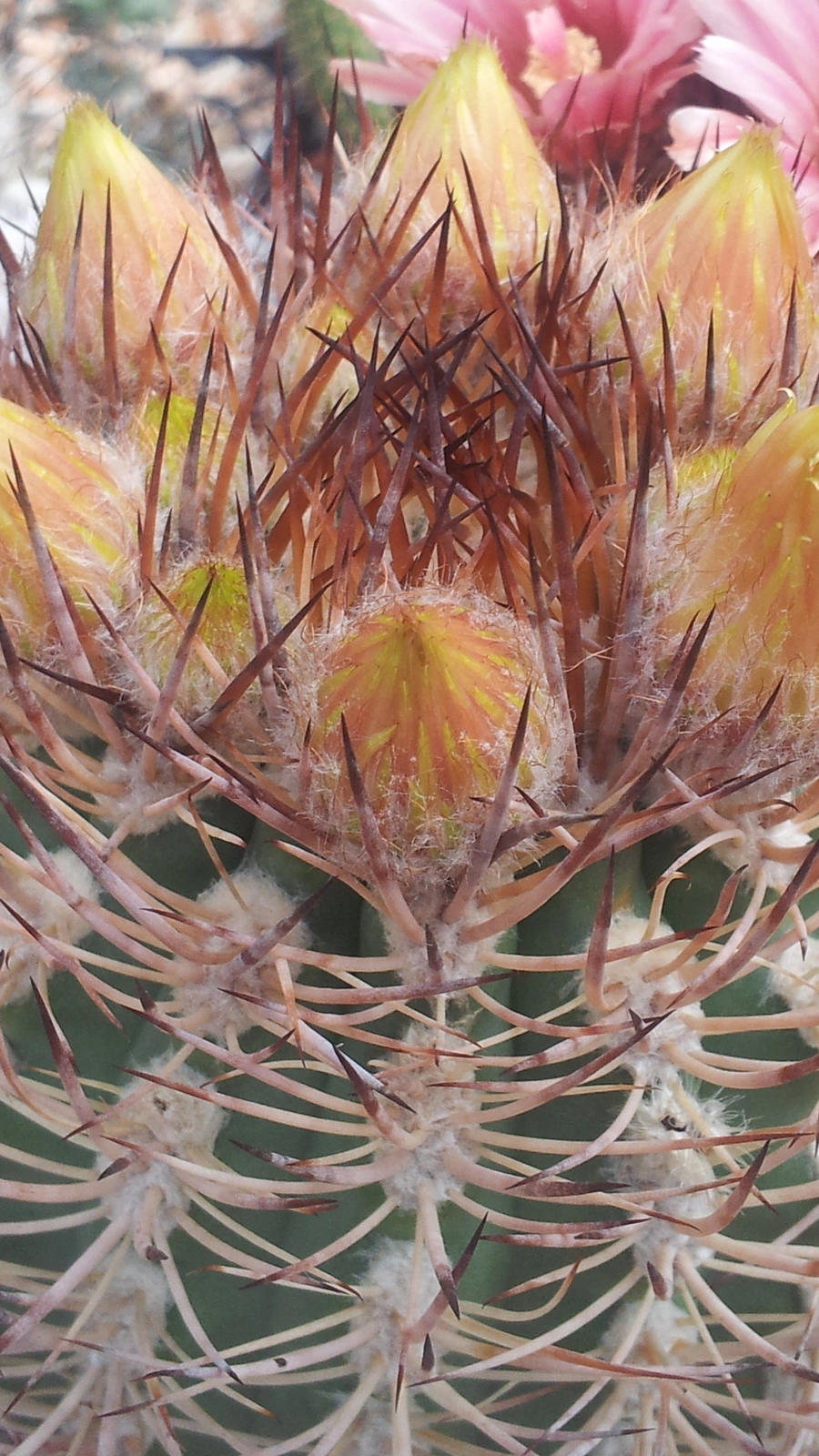 Reference image
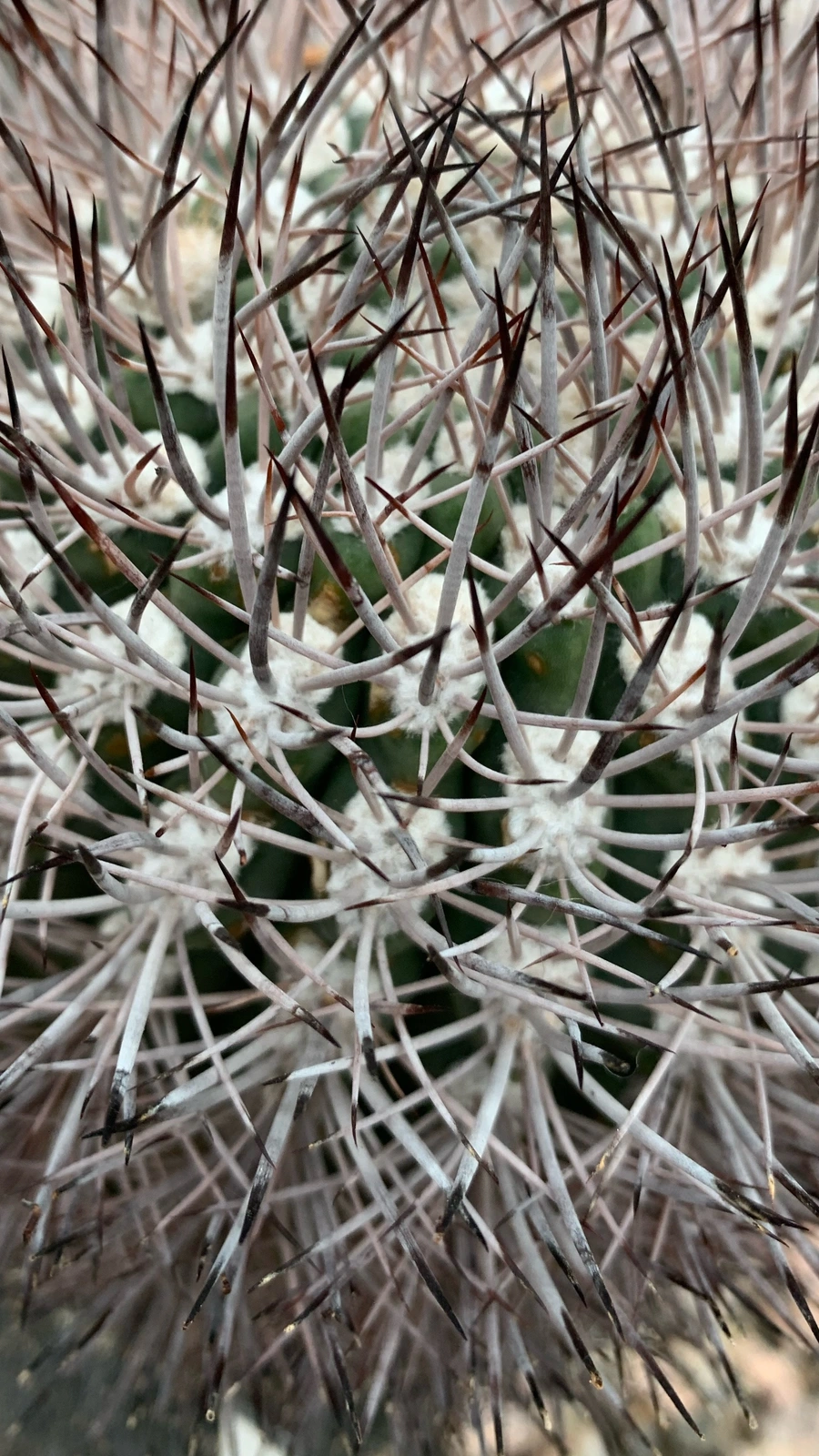 Reference image
Bulb-Calix Eriosyce
Eriosyce bulbocalyx is a slow-growing, solitary globose cactus species from the Cactaceae family, highly appreciated by collectors for its dense, beautifully curved spine cover 1.
Originally described under the genus Pyrrhocactus as Pyrrhocactus bulbocalyx, molecular and morphological revisions placed this taxon within the diverse genus Eriosyce. The specific epithet 'bulbocalyx' highlights the bulbous nature of the flower's calyx tube 2.
This species is endemic to western Argentina, spanning regions such as La Rioja, San Juan, and San Luis. It thrives on rocky slopes, dry shrublands, and desert environments, growing in highly mineral, well-draining soils under intense sunlight 1.
The stem is greyish-green, globose, becoming shortly cylindrical with age. Areoles bear dense, thick, inward-curved spines that range in color from horn-yellow to brownish. It produces funnelform, straw-yellow to greenish-yellow flowers at the apex during summer 2.
Cultivation requires an extremely porous, mineral-rich potting medium. Water should be applied thoroughly during spring and summer only when the substrate is completely dry. In winter, keeping the plant absolutely dry is essential for cold hardiness 3.
Overwatering and poor air circulation are the primary causes of root and stem rot. Insufficient light exposure leads to etiolation, stretching the plant and weakening its natural spine density.
Prefers bright, indirect light or filtered sun; direct midday summer sun should be shaded to avoid epidermis burns.
Allow soil to dry out completely between waterings in summer. Keep absolutely dry during winter dormancy.
Requires excellent drainage. Use a highly mineral mix consisting of pumice, perlite, and coarse sand with very little peat.
Non-toxic, but features sharp, curved spines that can cause mechanical injury. Keep out of reach of pets and children.
Moderate. Demands strict watering control and a dry winter rest, making it unsuitable for careless watering routines.
Native to the arid slopes and high-altitude desert shrublands of western Argentina, specifically within La Rioja, San Juan, and San Luis provinces.
