
Light
Full Sun
Requires full, direct sun to maintain strong spine growth and prevent stretching.
 Reference image
 Reference image
Caldera Cactus
Eriosyce calderana is a rare and highly prized succulent subshrub cactus in the Cactaceae family, native to the hyper-arid coastal regions of Chile. Shaped by extreme drought and dense coastal fogs (locally known as camanchaca), its morphological adaptation is a testament to survival in hostile desert terrains.
Belonging to the diverse genus Eriosyce, this species has been historically classified under synonyms such as Pyrrhocactus calderanus and Neoporteria calderana 1. The specific epithet "calderana" directly refers to its primary collection locality near the port city of Caldera in Chile.
This species is strictly endemic to the Atacama Region of Chile, particularly concentrated around the hills of Caldera 2. It thrives in coastal desert environments, rocky outcrops, and quartz-rich gravel slopes. In its native habitat, measurable rainfall is extraordinarily rare, making the plant dependent on morning coastal fogs for its moisture needs.
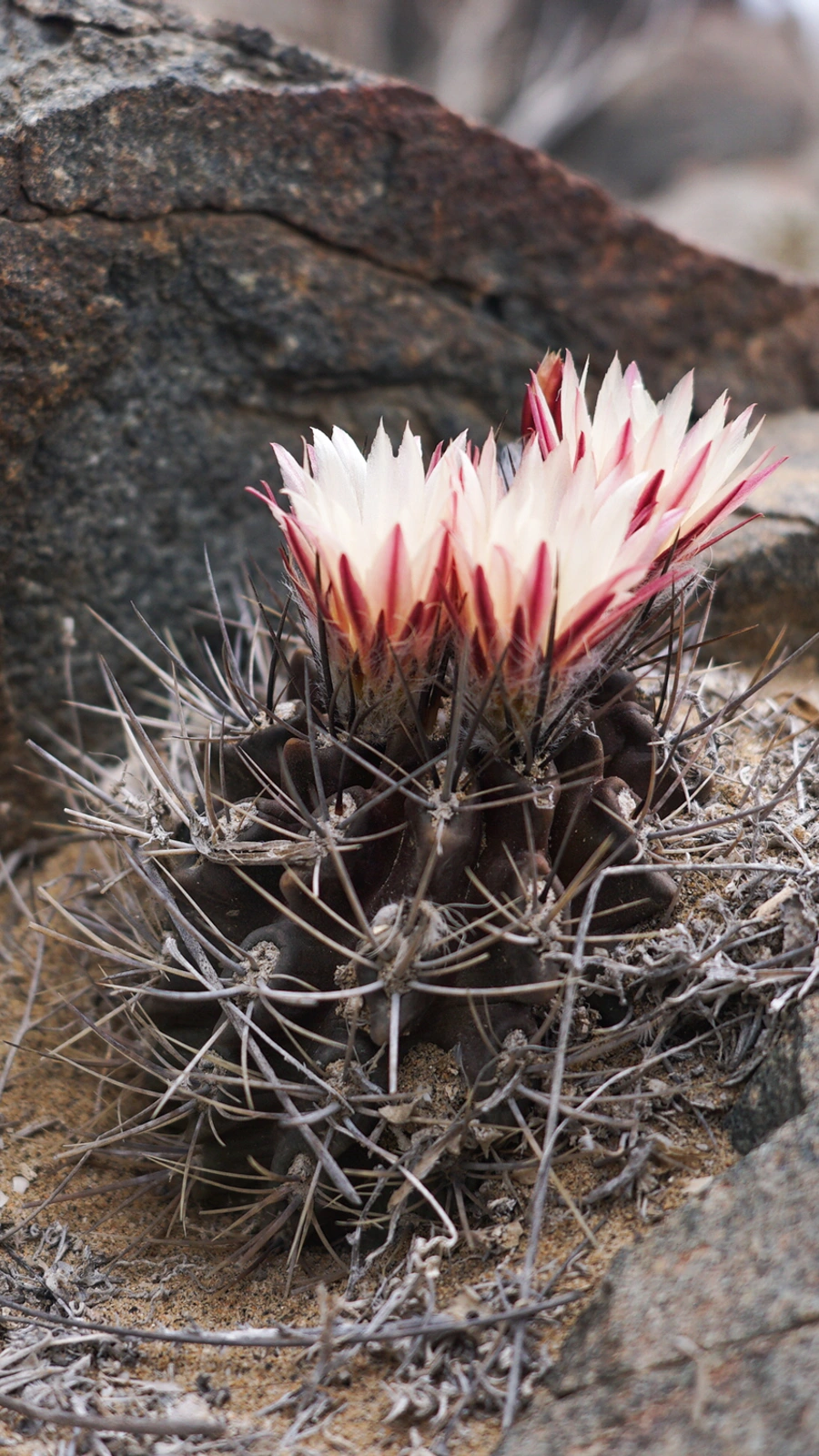
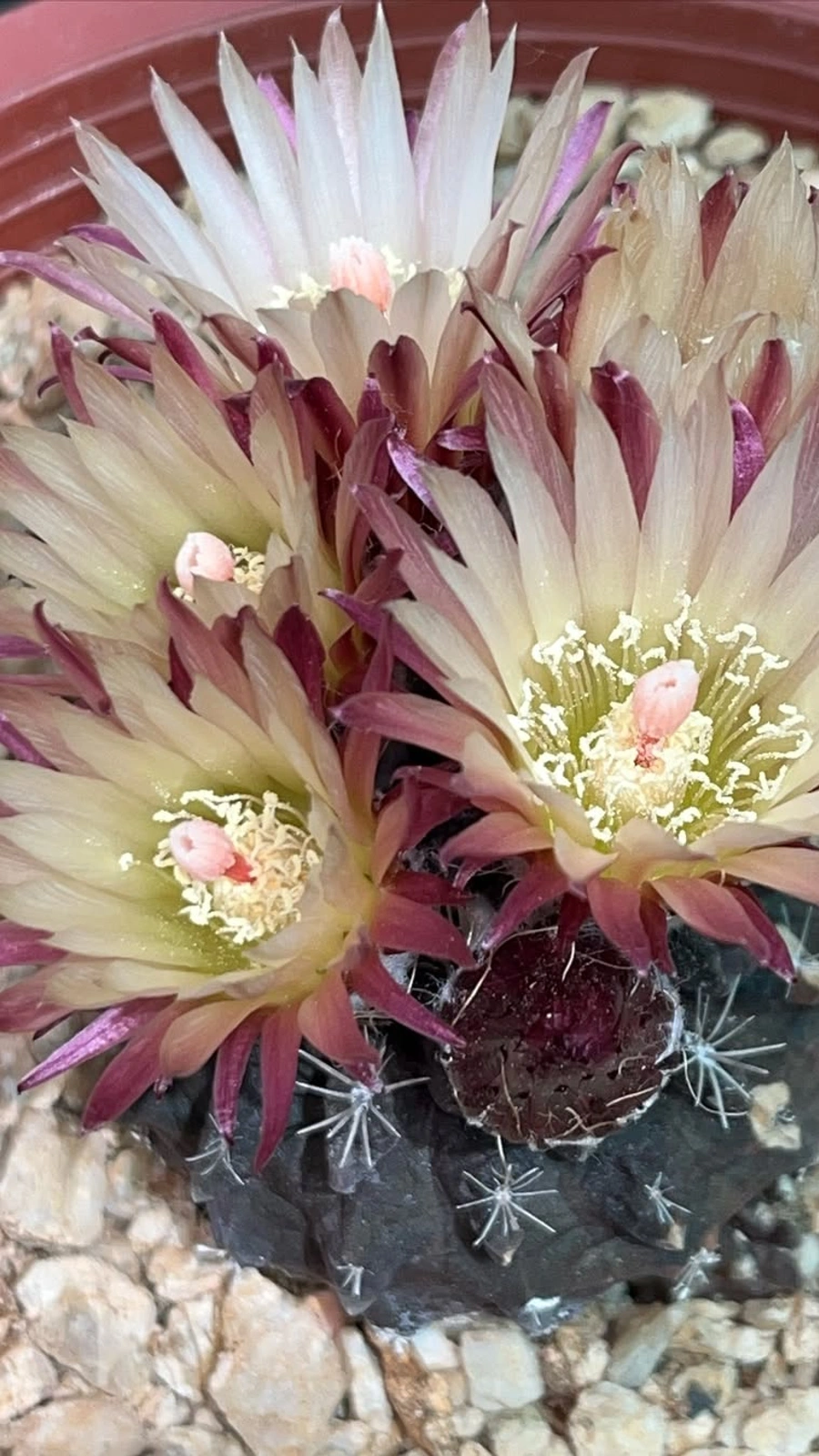
Eriosyce calderana grows mostly solitary, forming a globose to short cylindrical stem that turns grayish-green to dark olive green. The distinct, bumpy ribs are adorned with robust, needle-like spines ranging in color from yellowish-grey to dark brown or black. During late spring, funnel-shaped flowers emerge from the woolly apex, displaying beautiful pale yellow to cream petals often striped with reddish-brown exterior highlights.
In cultivation, Eriosyce calderana demands exceptionally porous, mineral-heavy substrate with minimal organic content to prevent root issues. It requires maximum exposure to direct sunlight to maintain its dense spination and encourage seasonal blooming. Water thoroughly only when the substrate has dried out completely, and keep completely dry throughout the cold winter months.
The most frequent failure in keeping this species is overwatering combined with poorly draining soil, which inevitably leads to root and stem rot 2. Insufficient light will cause etiolation, weakening the plant's natural pest resistance.
Requires full, direct sun to maintain strong spine growth and prevent stretching.
Water only after the substrate is bone dry; keep completely dry in winter.
Use a heavy grit mix composed of 75% pumice, lava rock, and coarse sand.
Features sharp, rigid spines. Keep out of reach of curious pets and children.
Moderate care level due to strict watering needs and mandatory winter dormancy.
Native to the coastal fringes of the Atacama Desert in northern Chile, specifically around Caldera. It inhabits extremely dry rocky slopes where moisture is primarily supplied by the morning sea fog.
