
Light
Full Sun
Requires full sun, minimum 6 to 8 hours of direct sunlight daily.
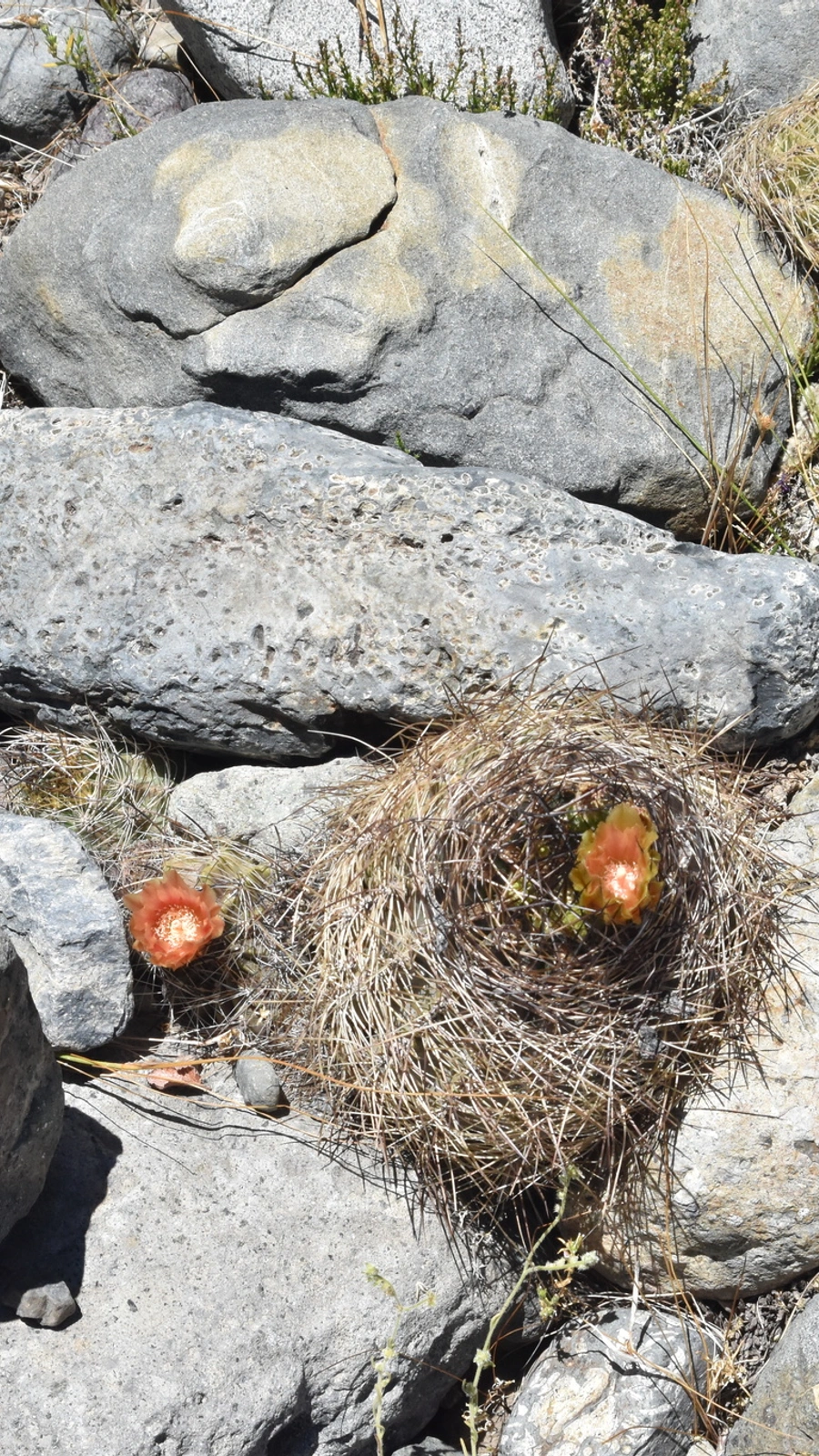 Reference image
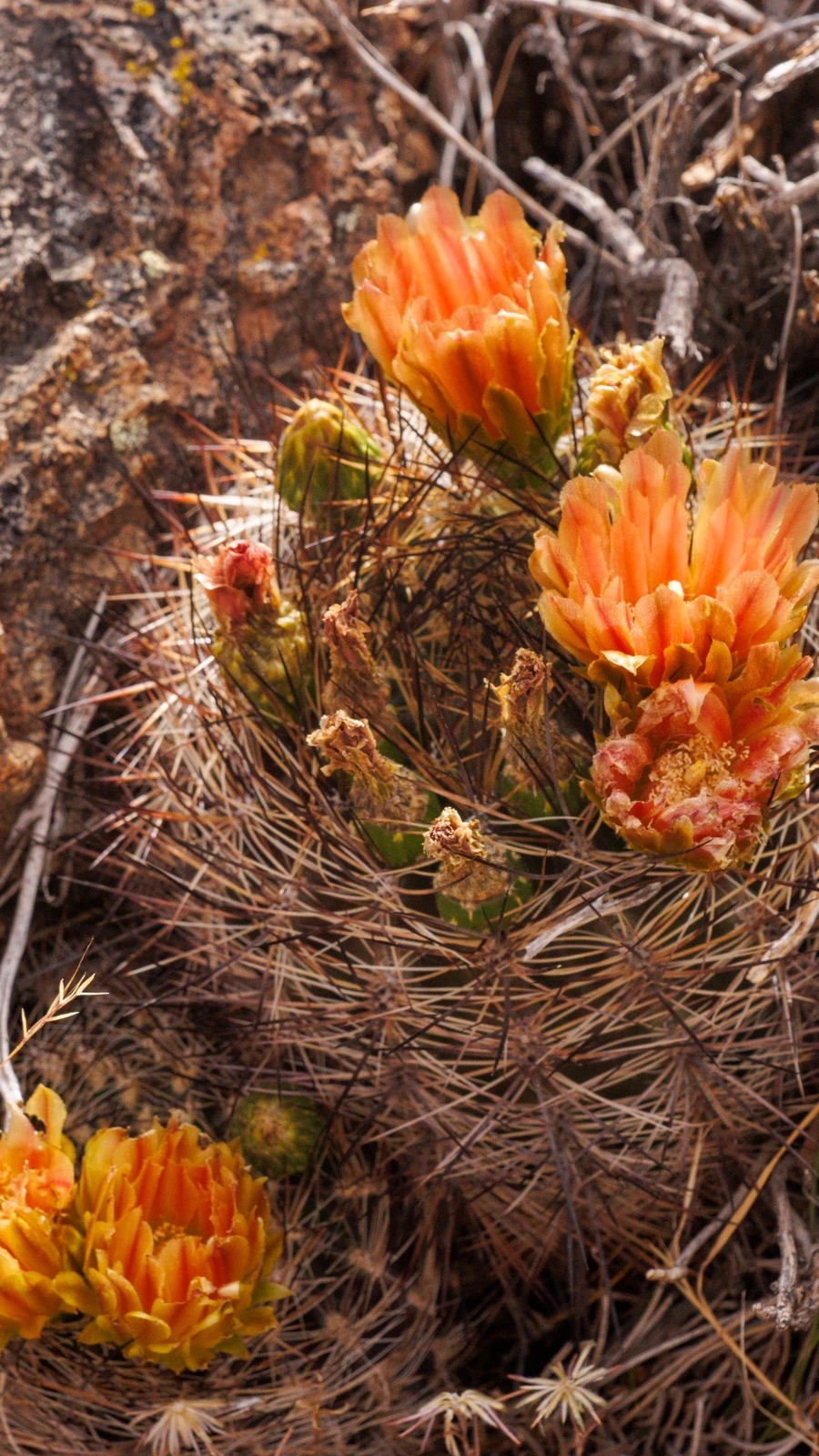 Reference image
Choapa Cactus
Eriosyce choapensis is a highly prized and rare globose cactus species belonging to the family Cactaceae, endemic to the arid regions of Chile 1. It is well-adapted to surviving in hyper-arid habitats.
Named after the Choapa province in Chile, this species has historically been classified under Neoporteria or Pyrrhocactus 2. Modern botanical consensus places it firmly within the diverse genus Eriosyce.
Its natural range is confined to the Choapa Valley in the Coquimbo region of Chile. It grows on rocky slopes, barren scree, and mineral-heavy soils with practically no organic matter 1.
The plant is single-stemmed, globose to short-cylindrical, with a dark-green to greyish epidermis. It features pronounced ribs adorned with strong, central, and radial spines. It produces funnel-shaped flowers ranging from yellow to reddish hues near the apex 2.
This species demands exceptional drainage and maximum sunlight exposure. Watering must follow the "soak and dry" method, and the soil must remain completely dry throughout the cold winter rest.
Overwatering is the primary cause of failure, rapidly leading to root rot. Using standard potting soils instead of gritty mineral mixes, and keeping the plant in shaded conditions will cause etiolation.
Requires full sun, minimum 6 to 8 hours of direct sunlight daily.
Allow soil to dry out completely between waterings. Keep bone-dry in winter.
Use a highly mineral mix consisting of 70% pumice, lava rock, and coarse sand.
Non-toxic to pets, but has sharp spines that can cause mechanical injury. Handle with care.
Requires strict moisture management, making it moderately challenging for beginners.
Endemic to the arid slopes and rocky valleys of the Choapa River basin in the Coquimbo region of Chile, where it thrives in hyper-arid desert scrublands.
