
Light
Bright Indirect Light
Requires bright, filtered sunlight. Protection from intense mid-day summer sun is recommended.
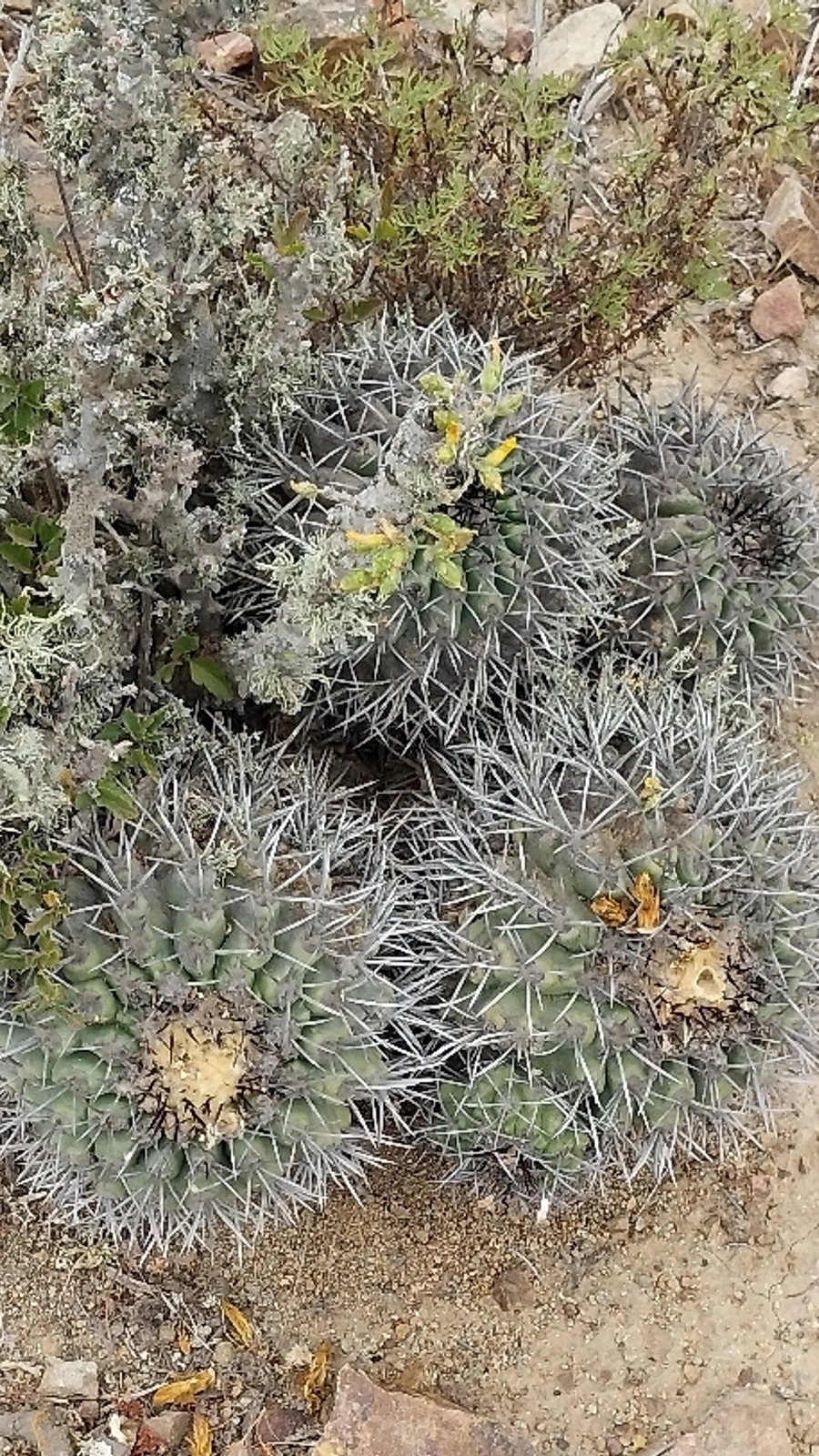 Reference image
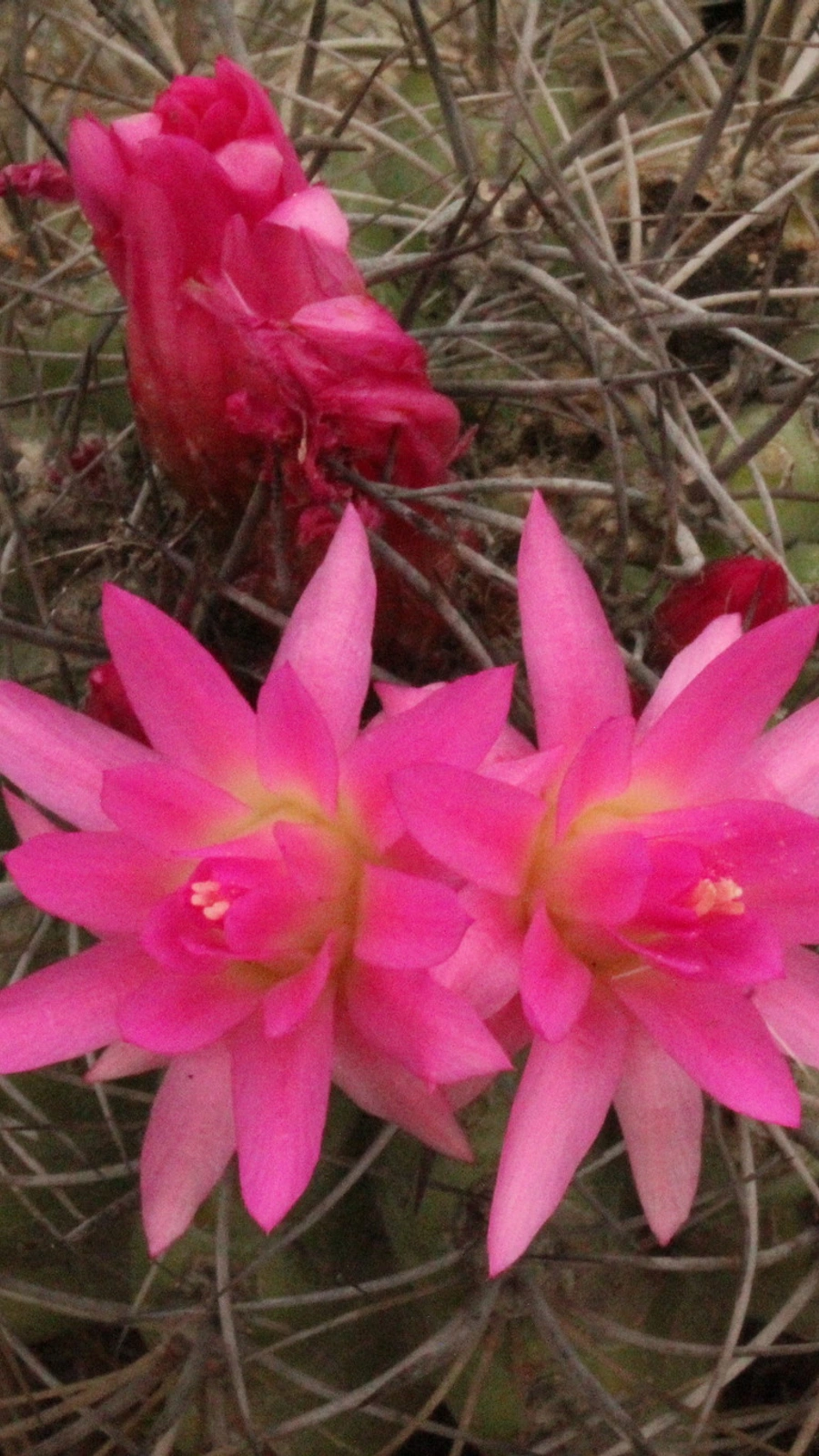 Reference image
Eriosyce clavata is a small, succulent subshrub in the Cactaceae family, highly prized by collectors for its rugged spine pattern and distinct growth form 1. It is adapted to survival in the arid, sun-baked environments of South America.
Belonging to the genus Eriosyce, this species has also been classified under the genus Pyrrhocactus as Pyrrhocactus clavatus in older literature 2. The specific epithet 'clavata' translates to 'club-shaped', referring to the tendency of older specimens to grow vertically with a wider top.
This cactus is native to Chile, stretching across dry shrubland biomes and mountainous desert regions, particularly in areas like Coquimbo, Valparaíso, and Atacama 3. It thrives on rocky, well-draining slopes where water drains away instantly from its sensitive roots.
The stem is initially globose, later turning cylindrical to club-shaped. It features prominent ribs armed with strong, dark brown to greyish spines coming from dense areoles. Funnel-shaped flowers emerge from the apical meristem, displaying shades of pale yellow or pinkish-red 1.
In cultivation, Eriosyce clavata requires an extremely porous mineral substrate and bright, filtered sunlight. Watering must be sparse during the active summer growth phase and entirely withheld during the cool, dry winter dormancy period.
The most frequent issue is root rot due to overwatering or planting in organic, heavy soil. Lack of adequate winter chill or low light during the growing season can cause etiolation, causing the cactus to stretch abnormally.
Requires bright, filtered sunlight. Protection from intense mid-day summer sun is recommended.
Water only when the substrate is fully dry. Keep almost entirely dry during winter dormancy.
Requires highly porous mineral soil with high pumice, gravel, and sand content.
Has sharp spines. Keep out of reach of children and curious pets to prevent physical injury.
Moderate. Highly sensitive to overwatering; requires discipline with moisture control.
Native to the dry coastal hills and dry inland valleys of northern and central Chile, growing in highly mineralized soils.
