
Light
Bright Indirect Light
Thrives in bright, filtered sunlight; avoid extremely scorched afternoon sun.
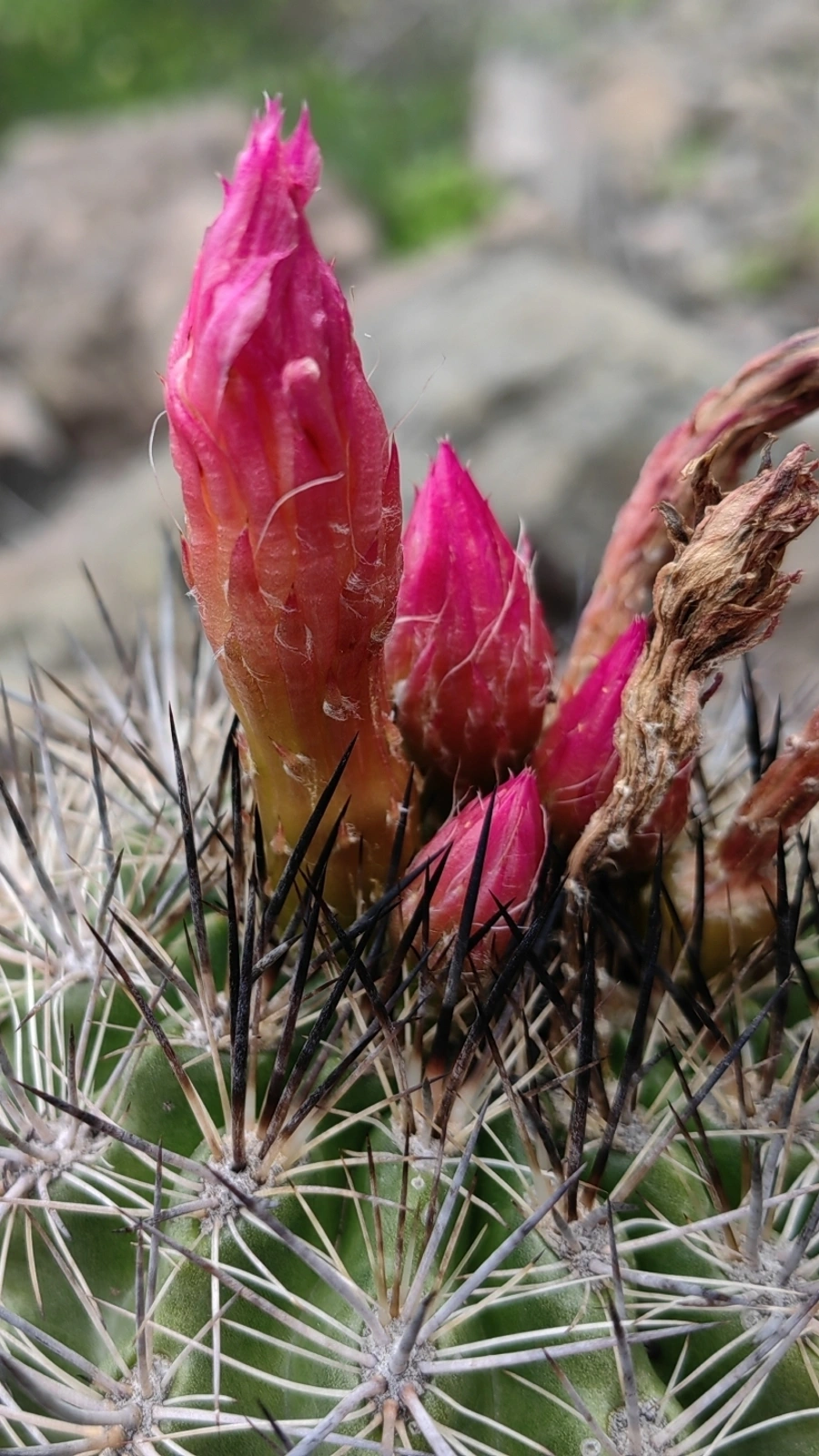 Reference image
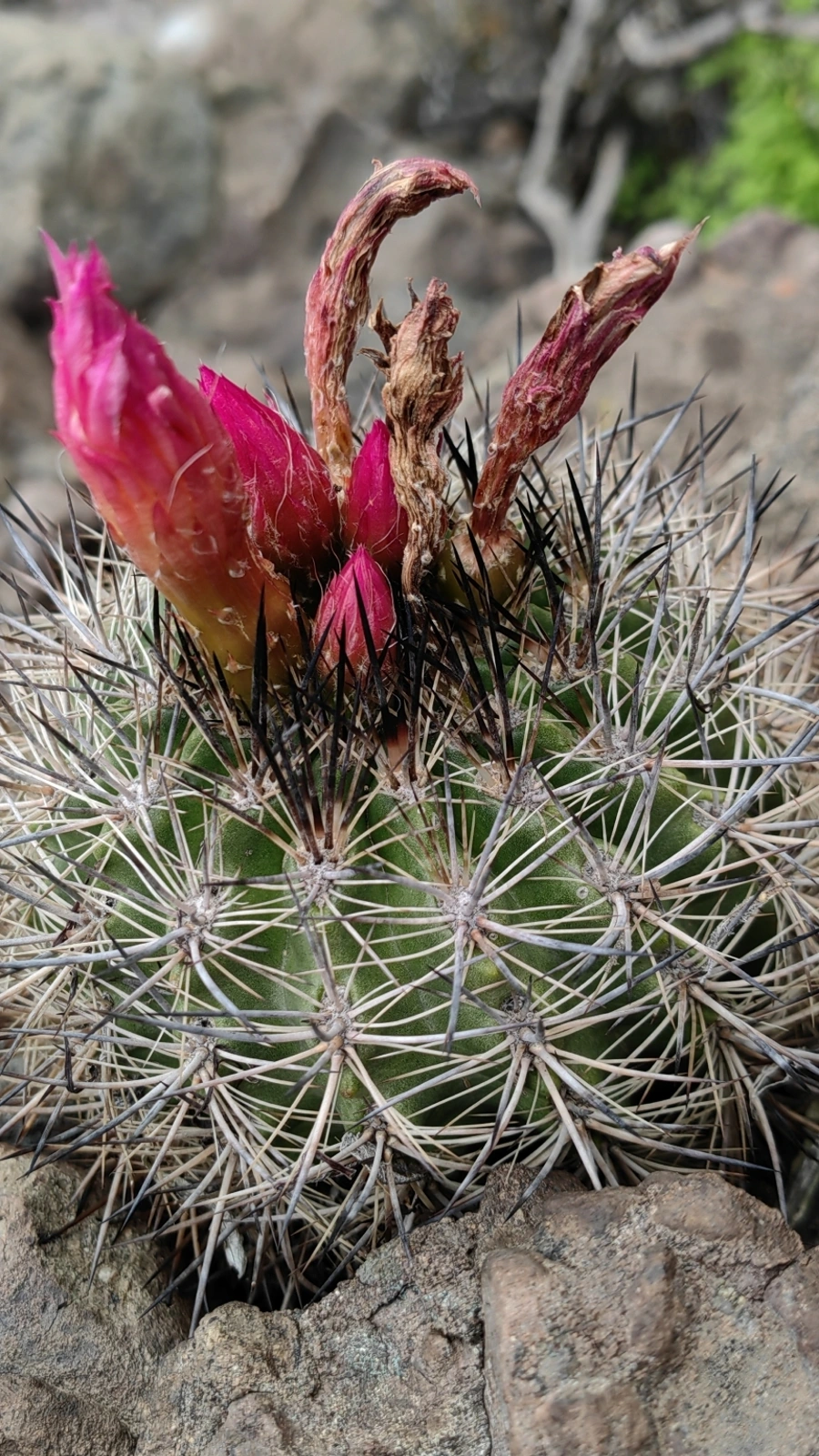 Reference image
Coimas Eriosyce Cactus
Eriosyce coimasensis is an attractive and hardy cactus species native to the arid mountains and dry shrublands of Chile 1. Belonging to the family Cactaceae, it is highly valued by succulent enthusiasts for its dense, colorful spination and beautiful funnel-shaped flowers.
Originally described under the genus Pyrrhocactus as Pyrrhocactus coimasensis, it was later reclassified under the expanded genus Eriosyce during modern taxonomic revisions 2. It shares close morphological and genetic traits with the Eriosyce senilis complex, leading to ongoing discussions among experts regarding its specific status.
This species is native to central Chile, particularly around the Las Coimas region in the Valparaíso province 3. It thrives on steep, rocky slopes at elevations between 600 and 1000 meters above sea level, where it grows in cracks of mineral-rich soils under intense sunlight and extremely low annual precipitation.
The plant starts as a solitary globose stem and gradually becomes short-cylindrical with age, reaching up to 15-20 cm in height and about 8-10 cm in diameter. The body is divided into distinct ribbed segments. Its areoles produce dense, curved, golden-bronze to dark brown spines that cover the stem like a protective cage against harsh solar radiation. In spring, it produces beautiful funnelform flowers with pinkish-red to yellowish petals 1.
In cultivation, Eriosyce coimasensis requires a highly mineralized substrate with excellent drainage. A mix containing plenty of pumice, perlite, and coarse sand with very little peat is optimal [2]. Water deeply only when the soil is completely dry, and maintain a strict dry winter rest at cool temperatures to trigger successful spring flowering.
The most prevalent issue is root rot caused by organic-rich soils that retain moisture for too long. Overwatering during the winter dormancy period can quickly destroy the root system. Insufficient light leads to etiolation, causing the stems to stretch and weaken.
Thrives in bright, filtered sunlight; avoid extremely scorched afternoon sun.
Let the soil dry out 100% before watering. Strictly dry in winter.
Highly mineral substrate rich in pumice and coarse grit.
Non-toxic to pets and humans, but the sharp spines require careful handling.
Moderate difficulty; requires strict watering control and high mineral soils.
Endemic to the rocky, sun-drenched hillsides of the Valparaíso region in central Chile, adapting to dry shrublands and mineral-rich mountain soils.
