
Light
Filtered Sun
Requires plenty of bright, filtered sunlight. Avoid harsh, unfiltered midday sun in peak summer.
 Reference image
 Reference image
Hard-pulped Eriosyce
Eriosyce duripulpa is a highly specialized, small-bodied geophytic cactus species belonging to the Cactaceae family. Native to the extremely arid coastal deserts of Chile, it is highly prized among succulent enthusiasts for its massive, water-storing taproot and its ability to retract into the ground during dry spells 1.
The species was initially described by Friedrich Ritter under the genus Chileorebutia. Following the comprehensive systematic revision of the genus by Fred Kattermann, it was placed in Eriosyce under the subsection Thelocephala 2. The specific epithet 'duripulpa' references the firm or hard texture of its fruit pulp.
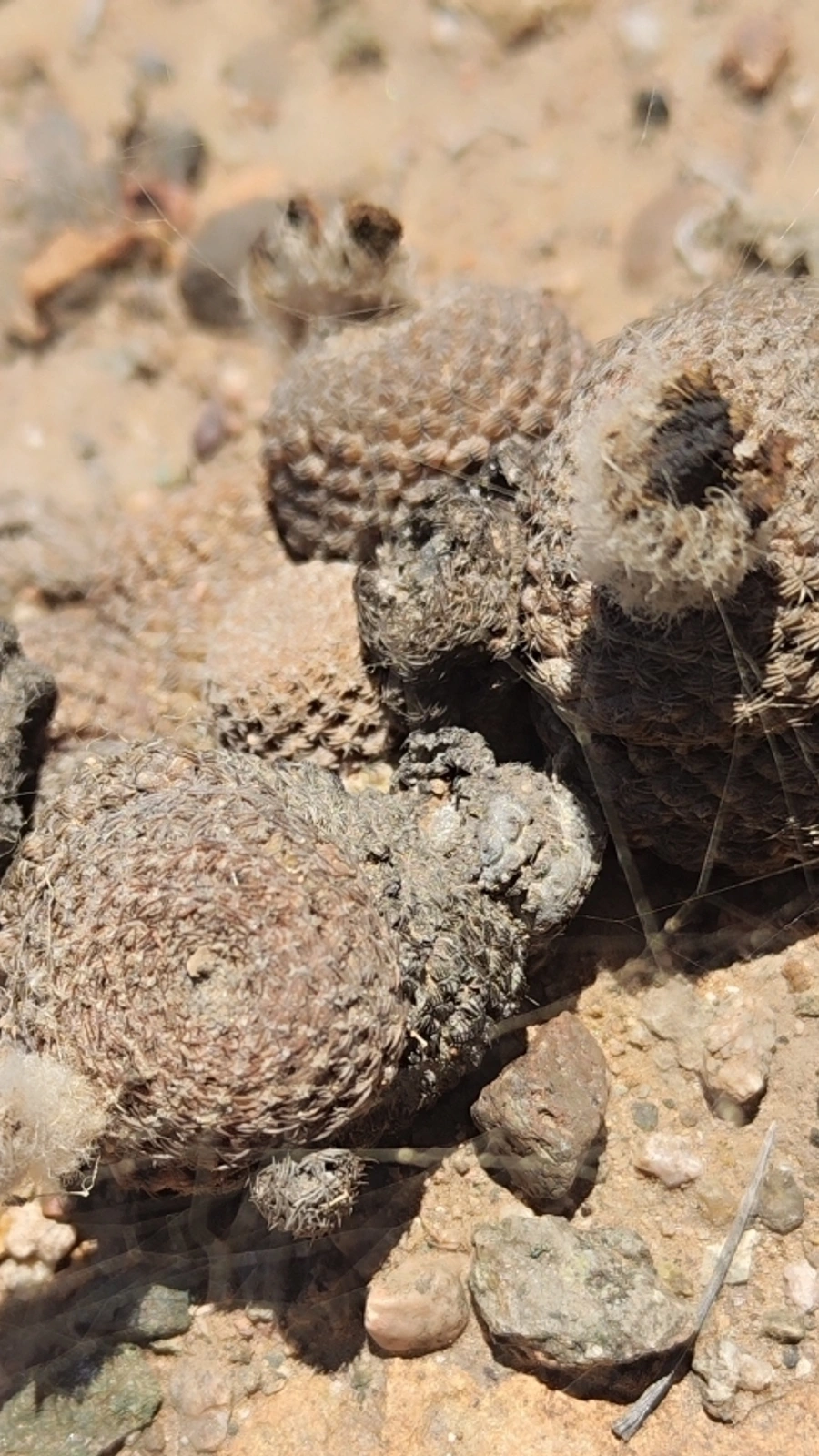
Eriosyce duripulpa is micro-endemic to the Atacama and Coquimbo regions of northern Chile, particularly around the Huasco river basin 1. It thrives on rocky, gravel-rich hillsides where annual rainfall is practically non-existent. These plants rely heavily on condensation from 'camanchaca' (dense coastal fog) to survive.
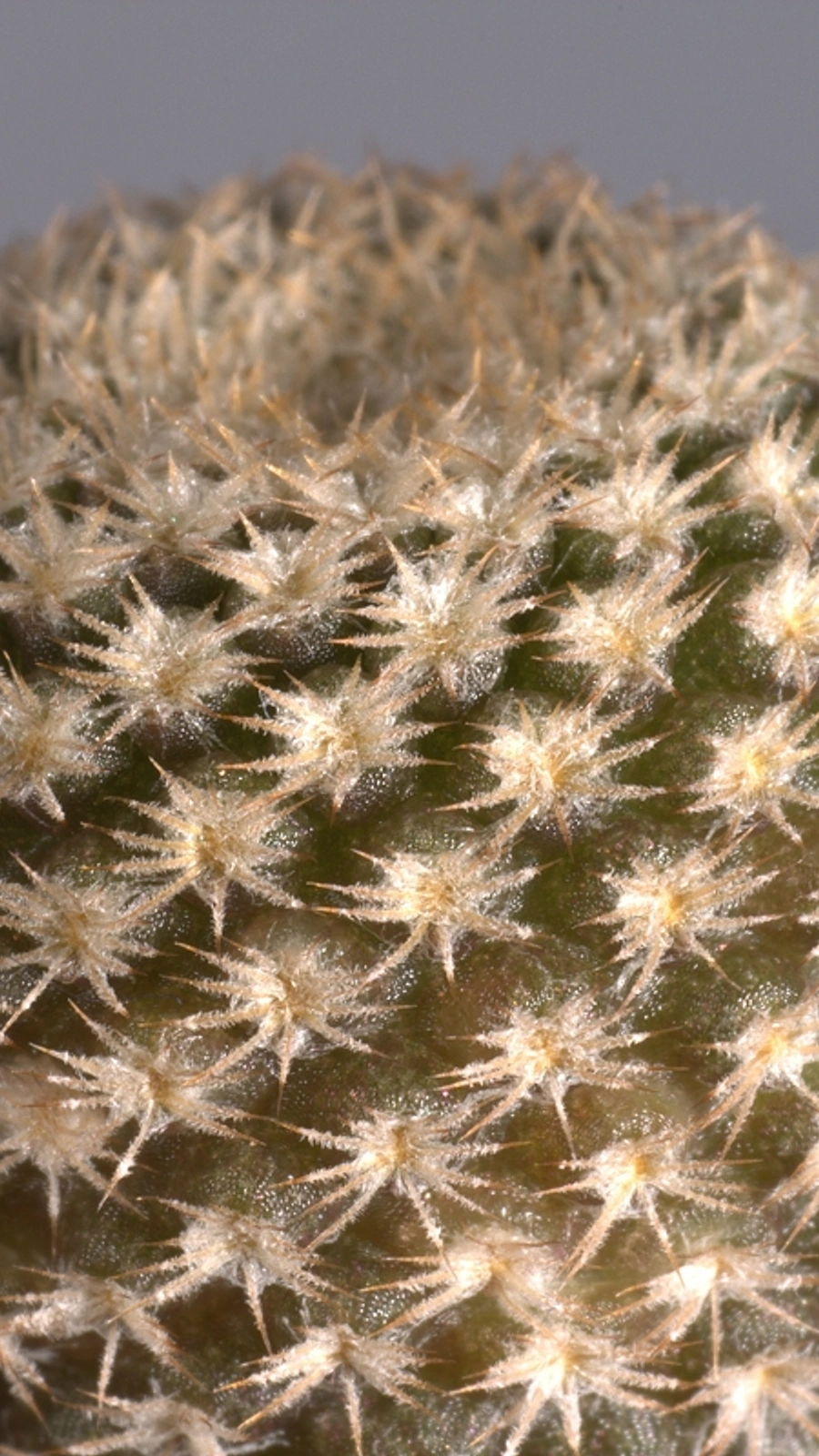
The plant features a solitary, globose to flattened stem, reaching only 2 to 4 cm in diameter. The epidermis ranges from grayish-green to a dark, purplish-brown. It possesses short, pectinate spines pressed against the ribs. The funnelform flowers arise from the apex, displaying shades of pale yellow, bronze, or soft pink.
In cultivation, a strictly mineral-based substrate with excellent drainage is vital. The thick, tuberous taproot is exceptionally prone to rot if kept damp. Watering should only occur when the substrate is fully dry during spring and summer, and ceased entirely during the cold winter dormancy 2.
The most frequent errors include using organic, peat-heavy soils and watering during winter. Lack of direct, bright light results in etiolation, stripping the plant of its compact, natural shape and dark coloration.
Requires plenty of bright, filtered sunlight. Avoid harsh, unfiltered midday sun in peak summer.
Water only when the substrate is 100% dry. Maintain absolute dryness throughout the winter months.
Use a heavy mineral mix composed of at least 70% pumice, grit, and coarse sand. Avoid peat.
Non-toxic, but the small spines can cause physical irritation. Keep out of reach of pets.
Moderate. Demands precise watering habits due to the high susceptibility of the taproot to rot.
Hailing from the southern margins of the hyper-arid Atacama Desert in Chile, specifically around the Huasco Valley. It grows on stony, dry slopes where it relies on moisture from coastal fog rather than actual rainfall.
