
Light
Full Sun
Requires full sun or bright direct sunlight for at least 6 hours daily to maintain its dense spine form.
 Reference image
 Reference image
Elqui Cactus
Eriosyce elquiensis is an exquisite and rare succulent subshrub in the Cactaceae family, highly prized by collectors for its dense, dark spination and neat globular growth habit. It is native to the arid valleys of Chile, where it survives under extreme desert conditions.
Classified under the genus Eriosyce within the subfamily Cactoideae, this species represents the diverse cacti of the Andean rain shadow 1. The specific epithet elquiensis directly references the Elqui River Valley in Chile, its primary type locality. It has historically been categorized under synonymous genera such as Pyrrhocactus elquiensis and Neoporteria elquiensis 2.
This species is endemic to South America, specifically restricted to the Coquimbo region of Chile 1. It thrives on steep, rocky, and gravelly slopes where the soil is almost purely mineral and devoid of organic debris. In its native habitat, it relies heavily on the dense coastal fog, known locally as camanchaca, to supply moisture during prolonged dry spells.
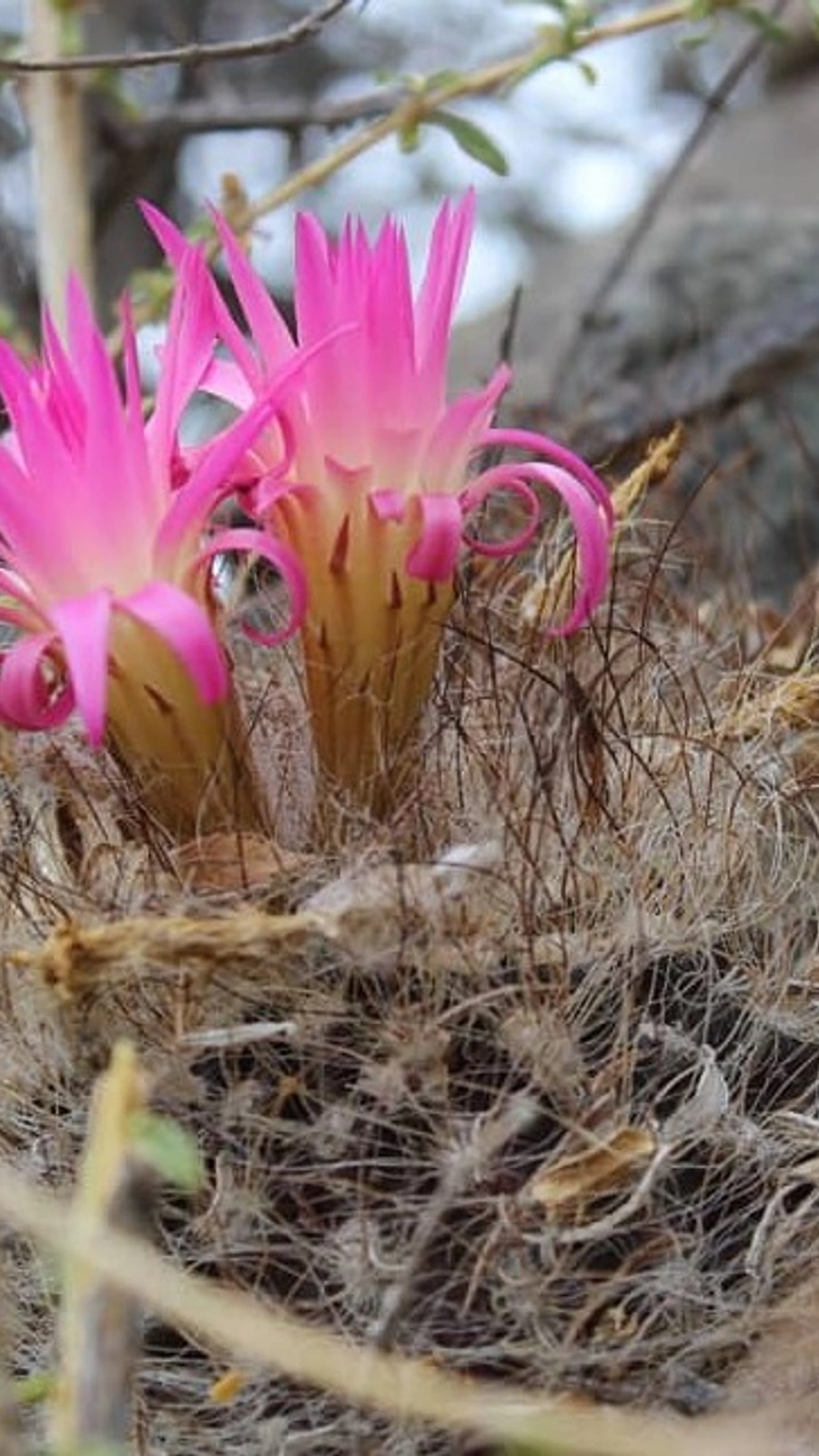
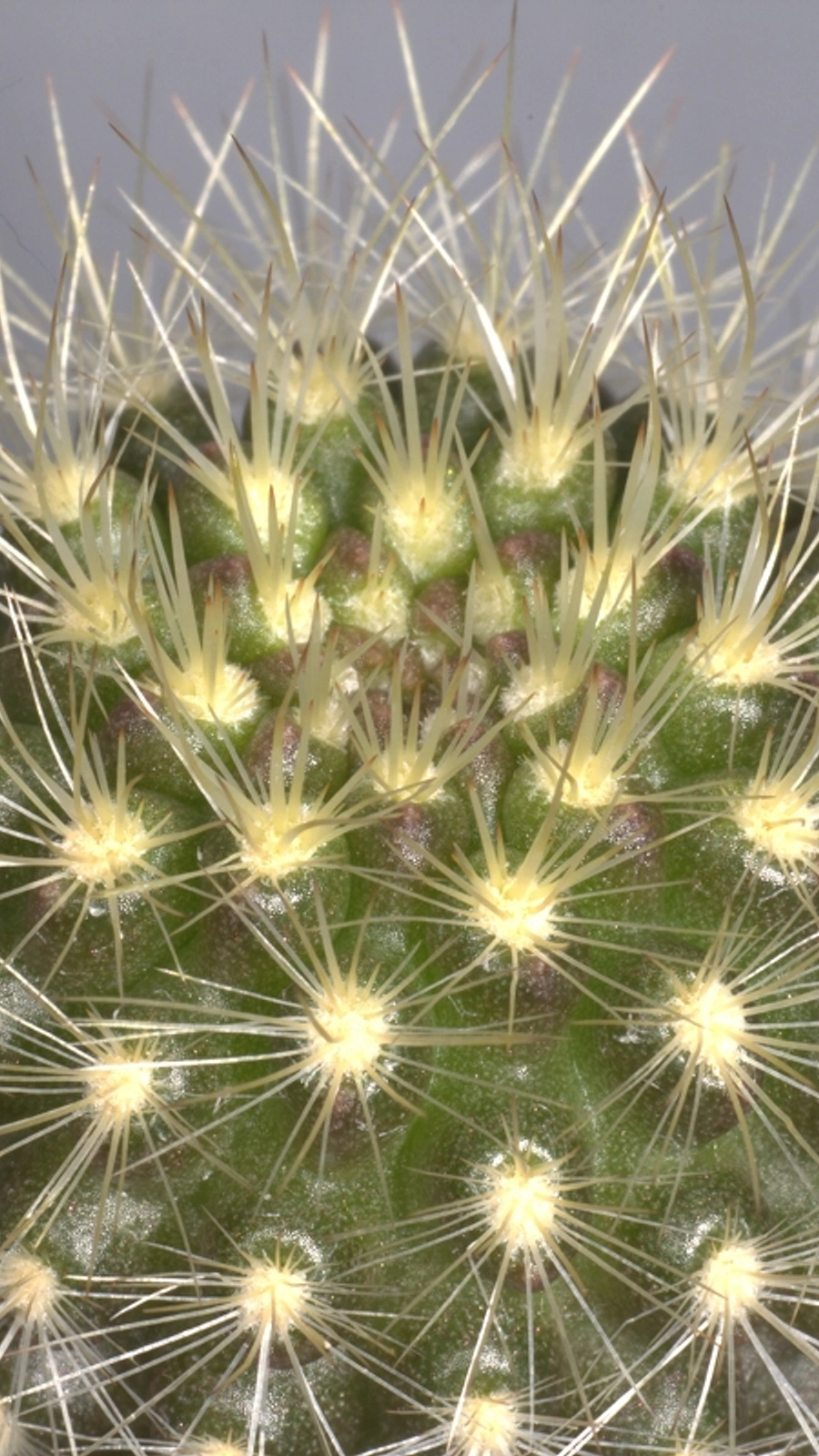
Initially globose, the stem may become slightly cylindrical with advanced age. The epidermis is dark green to grayish-green, supporting prominent ribs. Areoles are packed with robust, rigid, and slightly curved radial and central spines that range from dark brown to charcoal black. Flowers emerge from the crown, displaying beautiful shades of yellow, copper, or pale red 2.
In cultivation, Eriosyce elquiensis requires a heavily mineralized substrate with superior drainage. During the active spring and summer growth phases, water should only be applied once the substrate is completely dry. In winter, the plant must be kept dry and cool to initiate dormancy and prevent root rot.
The most frequent pitfall is using standard organic potting soil combined with overwatering. Without high porosity, the roots quickly succumb to rot. Furthermore, inadequate sunlight leads to etiolation, causing the spherical stem to stretch and weaken.
Requires full sun or bright direct sunlight for at least 6 hours daily to maintain its dense spine form.
Allow the substrate to dry out 100% between waterings. Keep completely dry in winter.
Use an 80% mineral mix consisting of pumice, perlite, and coarse sand with very little peat.
Equipped with sharp spines; keep out of reach of children and pets. Non-toxic.
Moderate. Highly sensitive to overwatering but very resilient to drought and high heat.
Native to the rocky, arid slopes of the Elqui Valley in northern-central Chile. The plants thrive in stony, mineral-rich scree and rely on the coastal fog that drifts inland to provide vital ambient moisture.
