
Light
Direct Sun
Requires full direct sunlight to thrive and develop robust spines. Avoid dark corners to prevent etiolation.
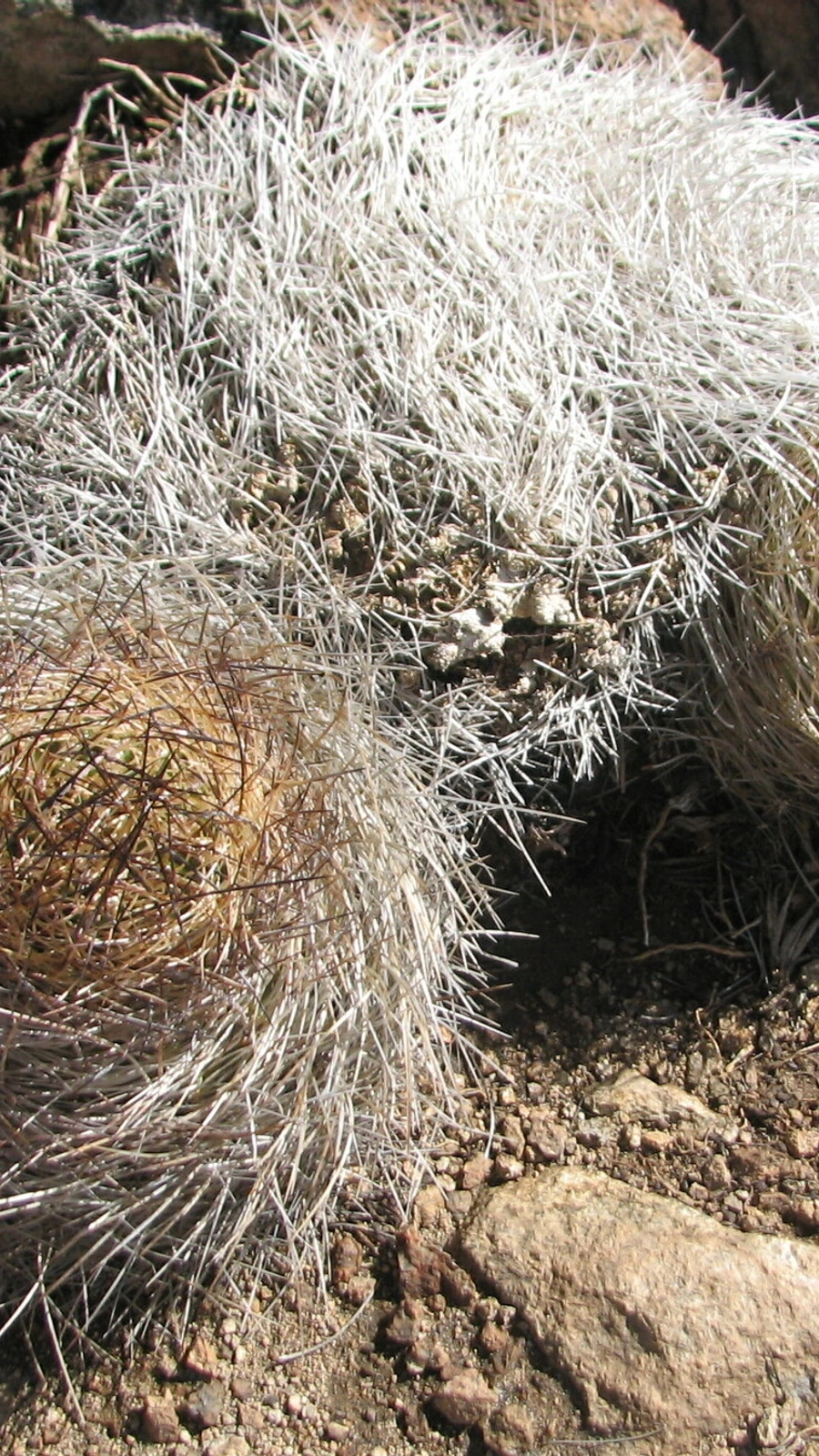 Reference image
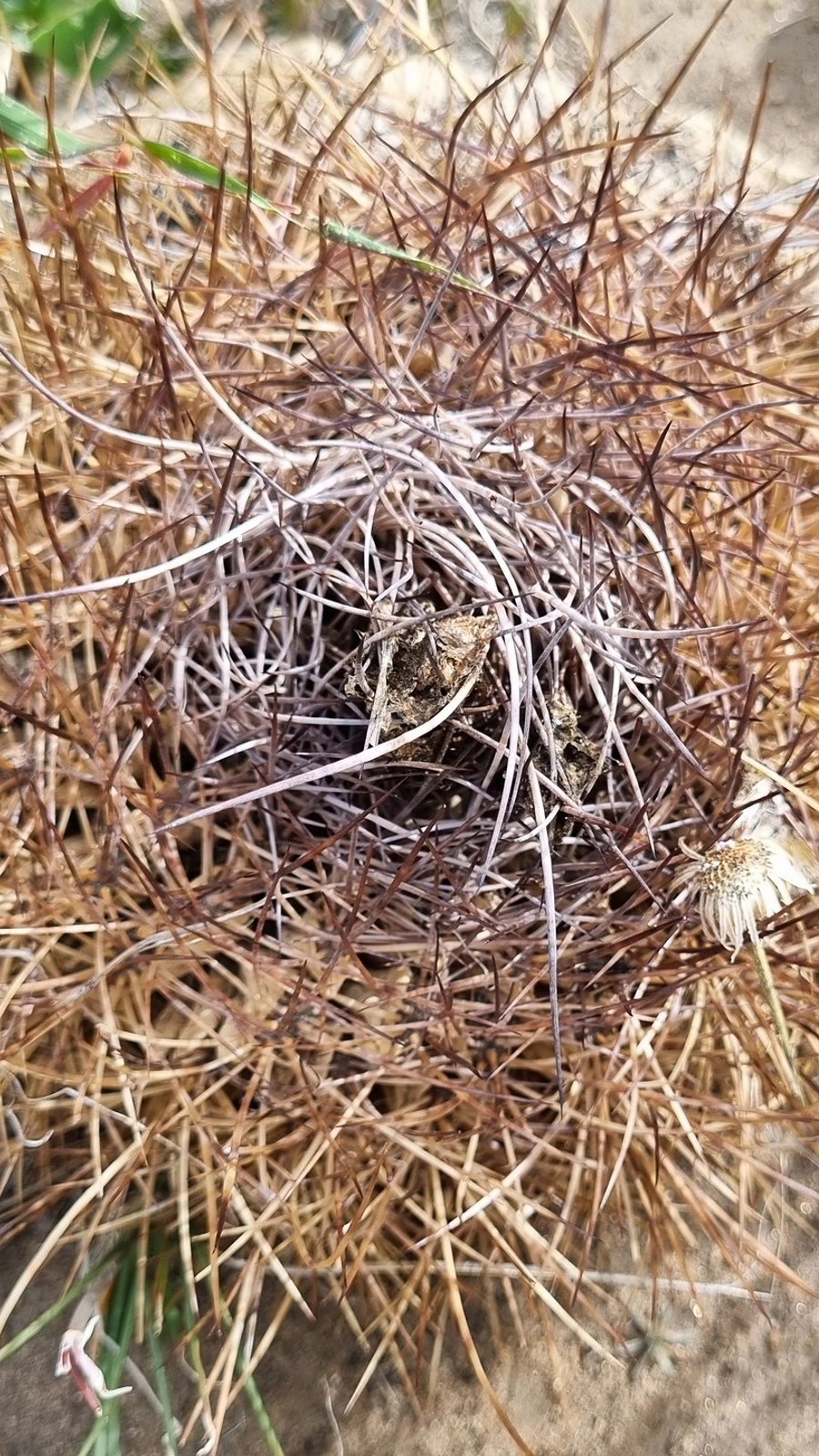 Reference image
Engler's Eriosyce
Eriosyce engleri is a slow-growing, solitary globose cactus native to the high-altitude regions of Central Chile. Belonging to the Cactaceae family, this species is highly valued by collectors for its dense, fierce spination and capability to withstand harsh, arid conditions 1.
Named in honor of the renowned German botanist Adolph Engler, this species has been classified under several genera over time. Its synonyms include Pyrrhocactus engleri and Horridocactus engleri . Modern classification places it firmly within the diverse genus Eriosyce due to floral and seed morphology.
It is endemic to central Chile, specifically across the Santiago, Valparaíso, O'Higgins, and Coquimbo regions. It thrives in montane desert habitats and dry shrublands on steep, rocky slopes at elevations ranging from 1,000 to 2,000 meters above sea level.
The dark green to grayish-green stem is initially globose, eventually becoming shortly cylindrical with age. It features prominent ribs armed with strong, rigid, grayish-brown to blackish spines. The diurnal flowers appear at the apex, presenting shades of yellow, copper, or pale red.
In cultivation, Eriosyce engleri requires exceptional drainage to prevent root loss. A mineral-heavy substrate enriched with pumice, lava grit, and coarse sand is essential. Water deeply but infrequently during the hot summer months, and keep completely dry throughout the cold winter dormancy.
The most prevalent issue is overwatering during winter, which leads to immediate root rot. Lack of adequate ventilation and bright light will cause etiolation, weak spine growth, and make the plant susceptible to fungal pathogens.
Requires full direct sunlight to thrive and develop robust spines. Avoid dark corners to prevent etiolation.
Water only after the substrate has dried out completely. Suspend watering during the cold winter months.
Use a highly mineral cactus mix containing pumice, perlite, and coarse sand with minimal organic matter.
Non-toxic to pets, but features very sharp, stiff spines that can cause physical injury. Handle with care.
Mainly challenging due to its low tolerance for overwatering. Suitable for growers with moderate experience.
Endemic to the dry montane shrublands and rocky cliffs of the Central Chilean Andes, spanning from Coquimbo to the Maule region.
