
Light
Direct Sun
Requires full, direct sunlight; lack of light leads to weak, elongated growth and sparse spination.
 Reference image
 Reference image
Eriosyce fulva is a rare, slow-growing globose cactus in the family Cactaceae, native to the highly arid desert regions of Chile 1. Known for its stunning coat of golden-brown to tawny spines, it is highly valued by succulent collectors worldwide.
The genus name Eriosyce is derived from the Greek words "erion" (wool) and "sykos" (fig), describing the woolly appearance of the fruit 2. The specific epithet fulva comes from Latin, meaning "tawny" or "reddish-yellow," directly referencing the prominent spine coloration that characterizes this species.
This species is naturally distributed along the coastal deserts and rocky slopes of northern Chile, particularly within the Atacama and Coquimbo regions 1. Despite the hyper-arid environment, it thrives by absorbing moisture from the dense coastal fog known locally as "camanchaca."
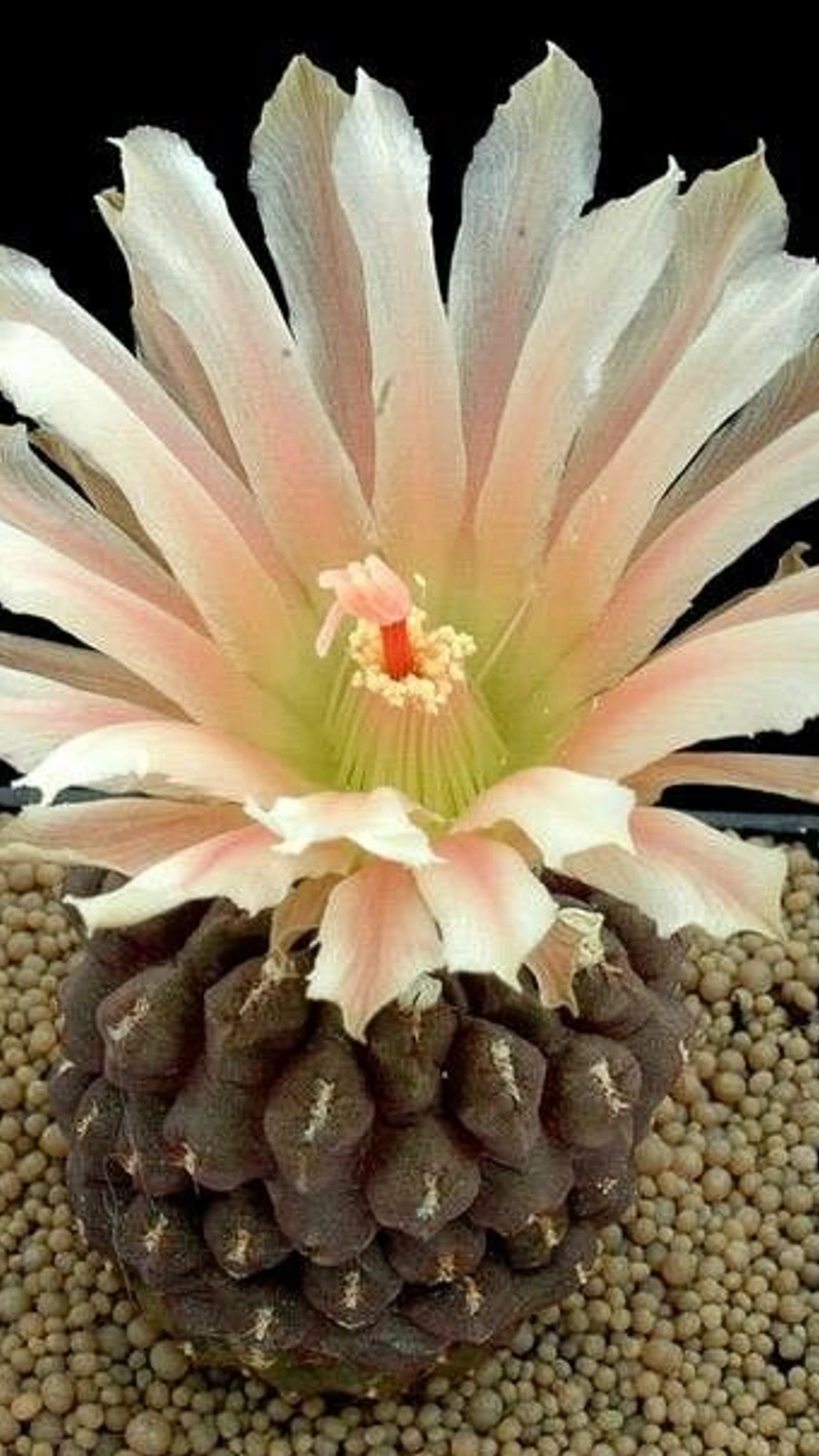
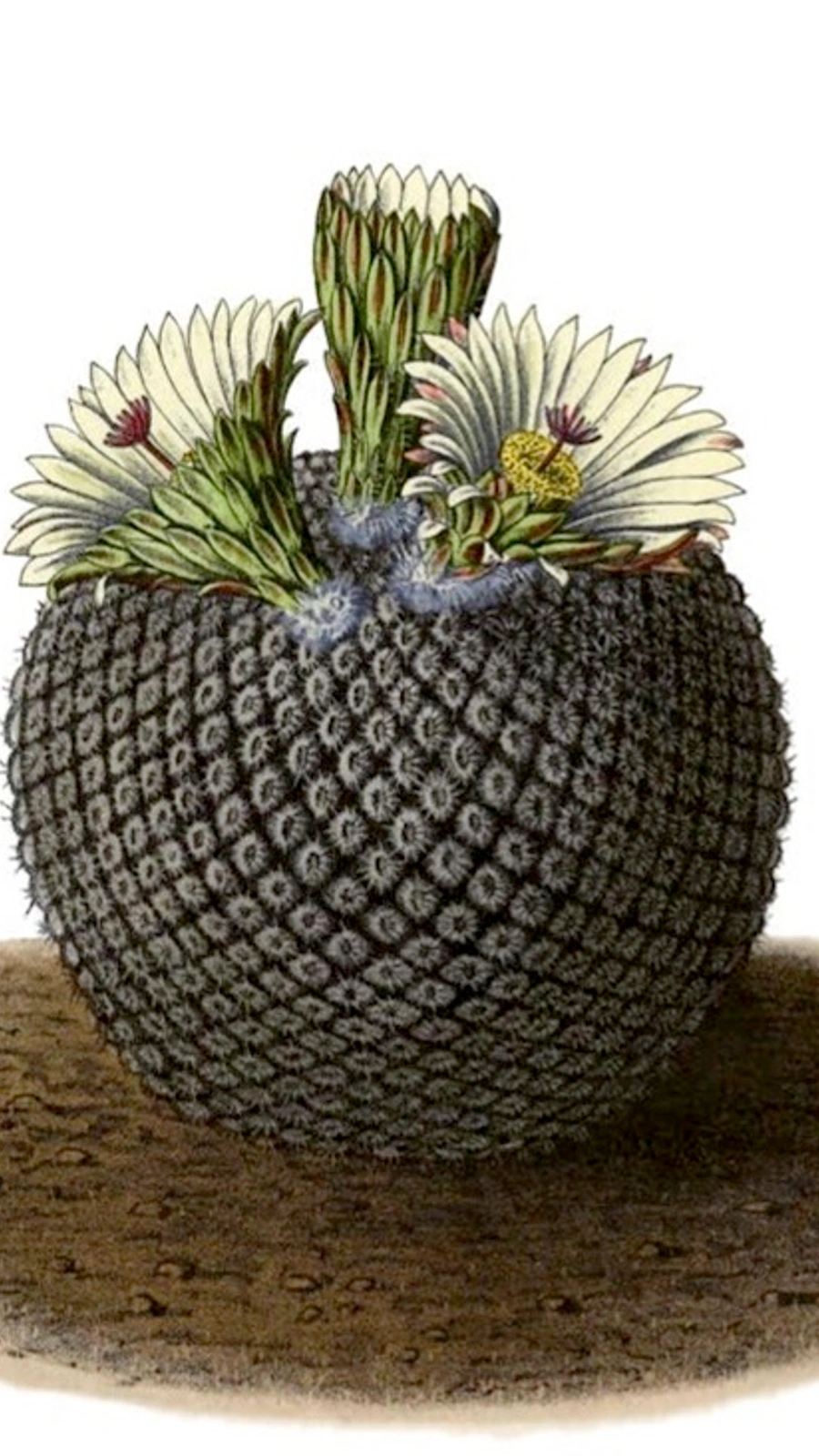
It typically grows as a solitary, globose to shortly cylindrical stem lined with distinct ribs. The areoles bear dense, stiff, and slightly curved spines in shades of brownish-yellow or amber. During spring and summer, it produces funnel-shaped flowers in shades of yellow, orange, or pale pink from the woolly apex.
In cultivation, Eriosyce fulva requires a coarse, highly mineral substrate with very low organic content 2. Water should be applied thoroughly only when the soil is completely dry during the active growing season. During winter, watering must be completely suspended to prevent root decline.
The most frequent issue is overwatering combined with heavy, poorly draining soils, which quickly causes root and stem rot. Insufficient direct sunlight leads to etiolation, where the stem stretches unnaturally and loses its compact, spiny beauty.
Requires full, direct sunlight; lack of light leads to weak, elongated growth and sparse spination.
Water only when the medium is completely dry. Keep strictly dry and cool during winter dormancy.
Use a mineral-heavy substrate composed of pumice, perlite, and coarse sand with very little organic matter.
The sharp, dense spines can cause physical injury. Handle with care using thick gloves or tongs, and keep away from pets.
Moderate difficulty due to strict watering requirements and high sensitivity to winter moisture.
Inhabits the extremely dry gravelly slopes and coastal deserts of northern Chile. It relies on ambient air circulation and heavy coastal fog for moisture in its natural habitat.
