
Light
Filtered Sun
Prefers bright, filtered sunlight. Protect from scorching midday sun during peak summer.
 Reference image
 Reference image
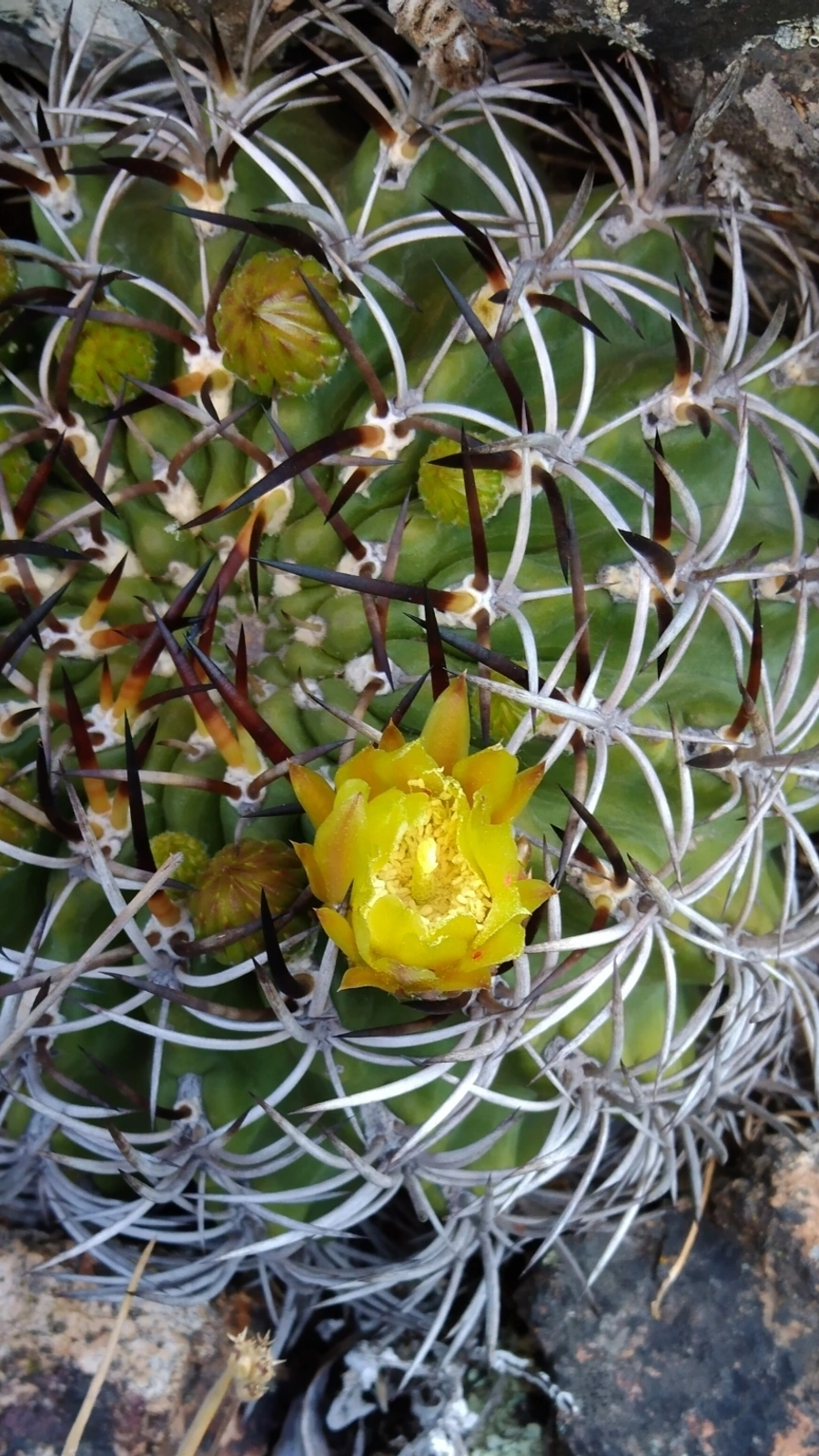
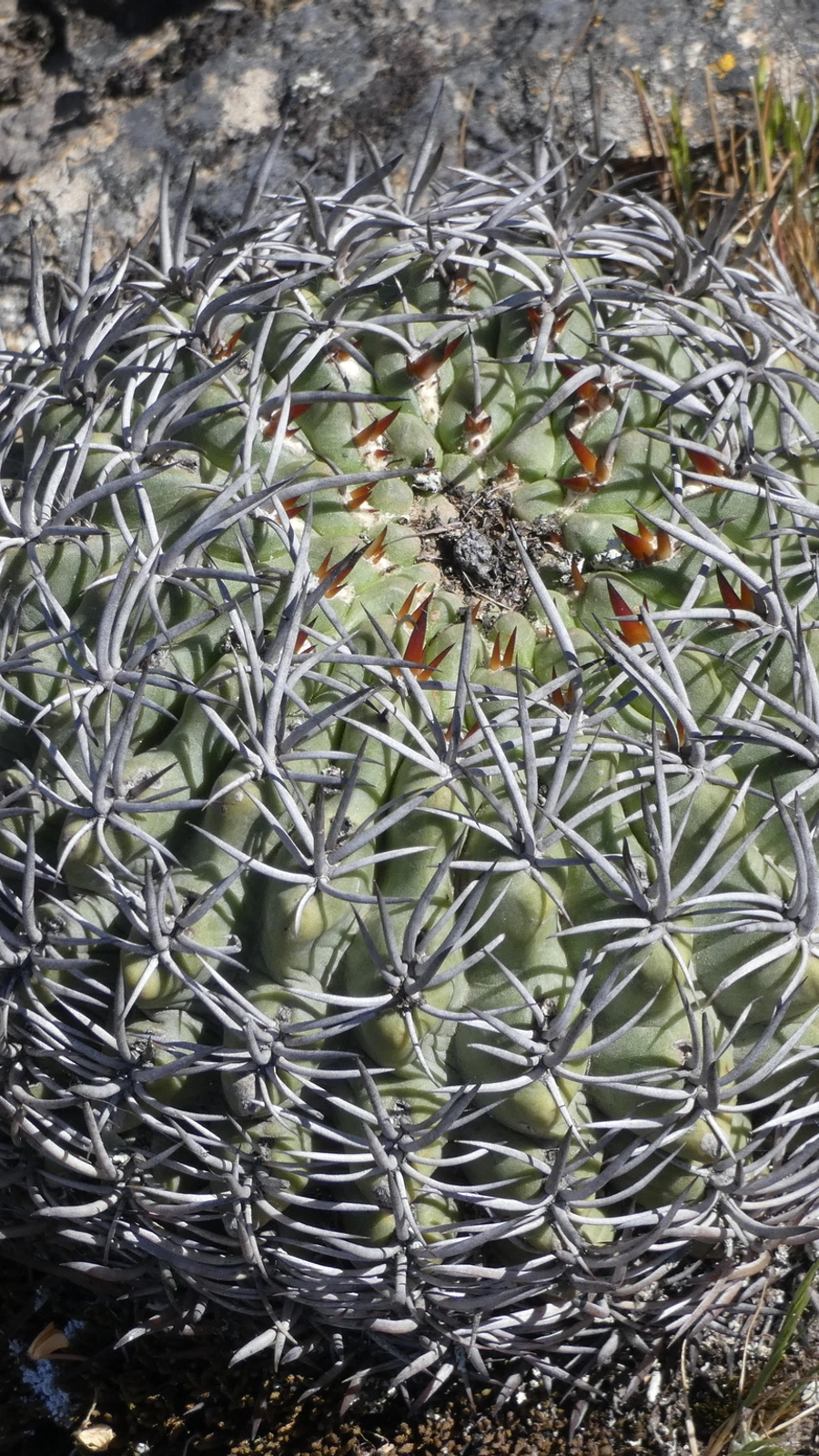
Eriosyce marksiana is a striking cactus species belonging to the Cactaceae family, native to the subtropical regions of central Chile 1. Highly appreciated by succulent collectors, it is known for its globular shape and dense yellowish spines.
Initially described as Pyrrhocactus marksianus, it was later reclassified under the diverse genus Eriosyce in modern taxonomy 2. It also shares synonyms such as Neoporteria marksiana in literature.
This species is native to central Chile, spanning regions like Valparaíso, Maule, Santiago, and O'Higgins 1. It thrives on steep, rocky, and gravelly slopes within dry subtropical valleys, fully adapted to excellent drainage and intense light.
The stem of this cactus is pale green to yellowish-green, typically growing solitary up to 10-15 cm in diameter. It features prominent ribs covered in dense, yellow to brownish spines. During summer, it produces beautiful funnel-shaped, yellow-greenish flowers at the apex 2.
It requires bright, filtered sunlight or full sun with protection during midday heat. A highly mineral, porous soil mix is essential to prevent root rot. Water thoroughly only when the soil is completely dry, and keep dry in winter.
The most common mistake is overwatering or using heavy clay soils that retain moisture. Poor ventilation combined with cold winter drafts will quickly trigger fungal pathogens and root collapse 1.
Prefers bright, filtered sunlight. Protect from scorching midday sun during peak summer.
Always let the soil dry out completely between waterings. Suspend watering during winter dormancy.
Requires very gritty, mineral-heavy substrate with minimal organic components.
Equipped with sharp, rigid spines. Handle with thick gardening gloves and keep away from pets.
Moderate. Requires strict water discipline but is highly rewarding.
Found on the arid, rocky slopes and canyon gravels of central Chile, enduring dry weather and strong exposure to the sun.
