
Light
Filtered Sun
Requires bright filtered sun. Protect from intense midday summer sun to prevent scorching.
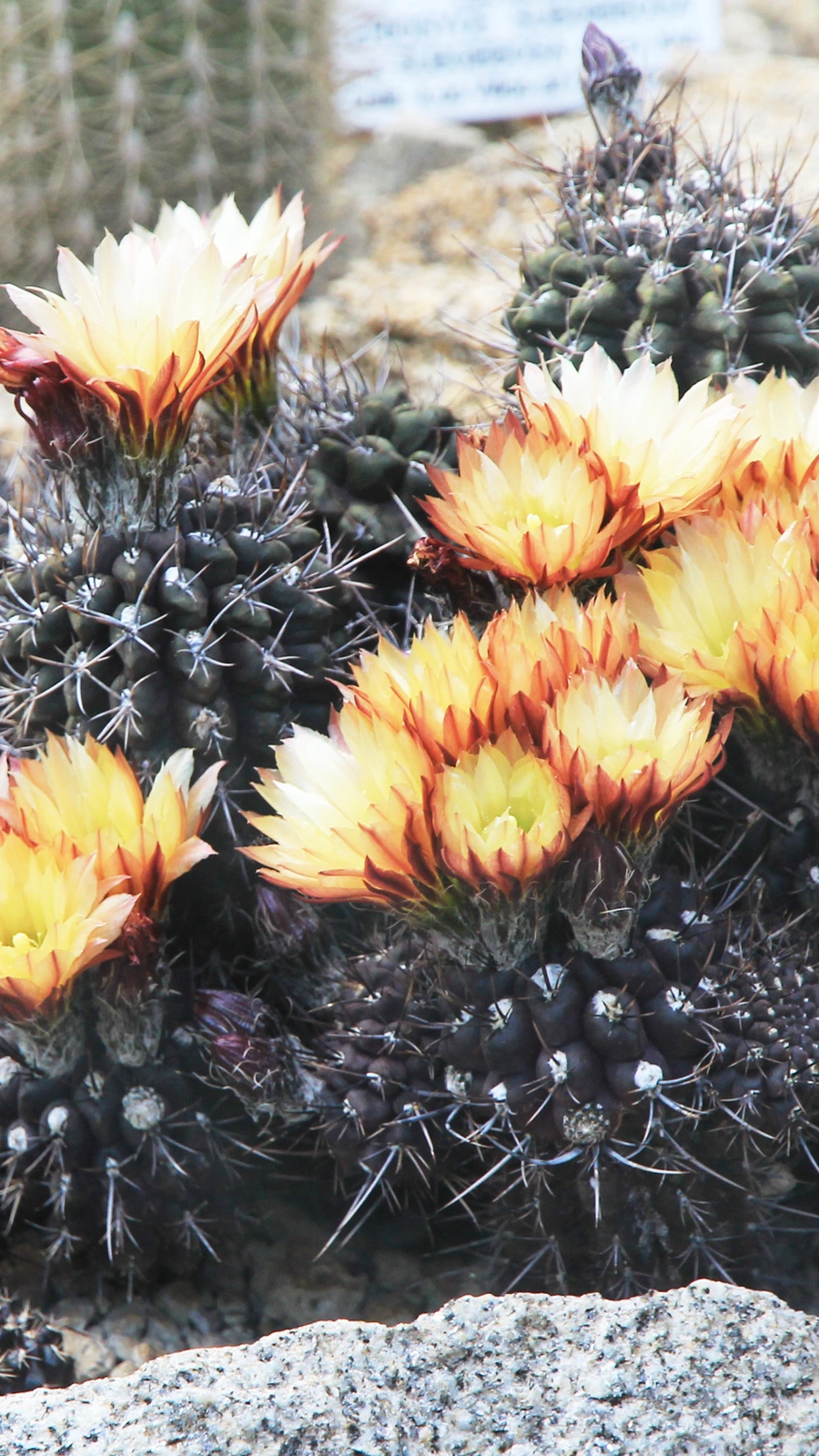 Reference image
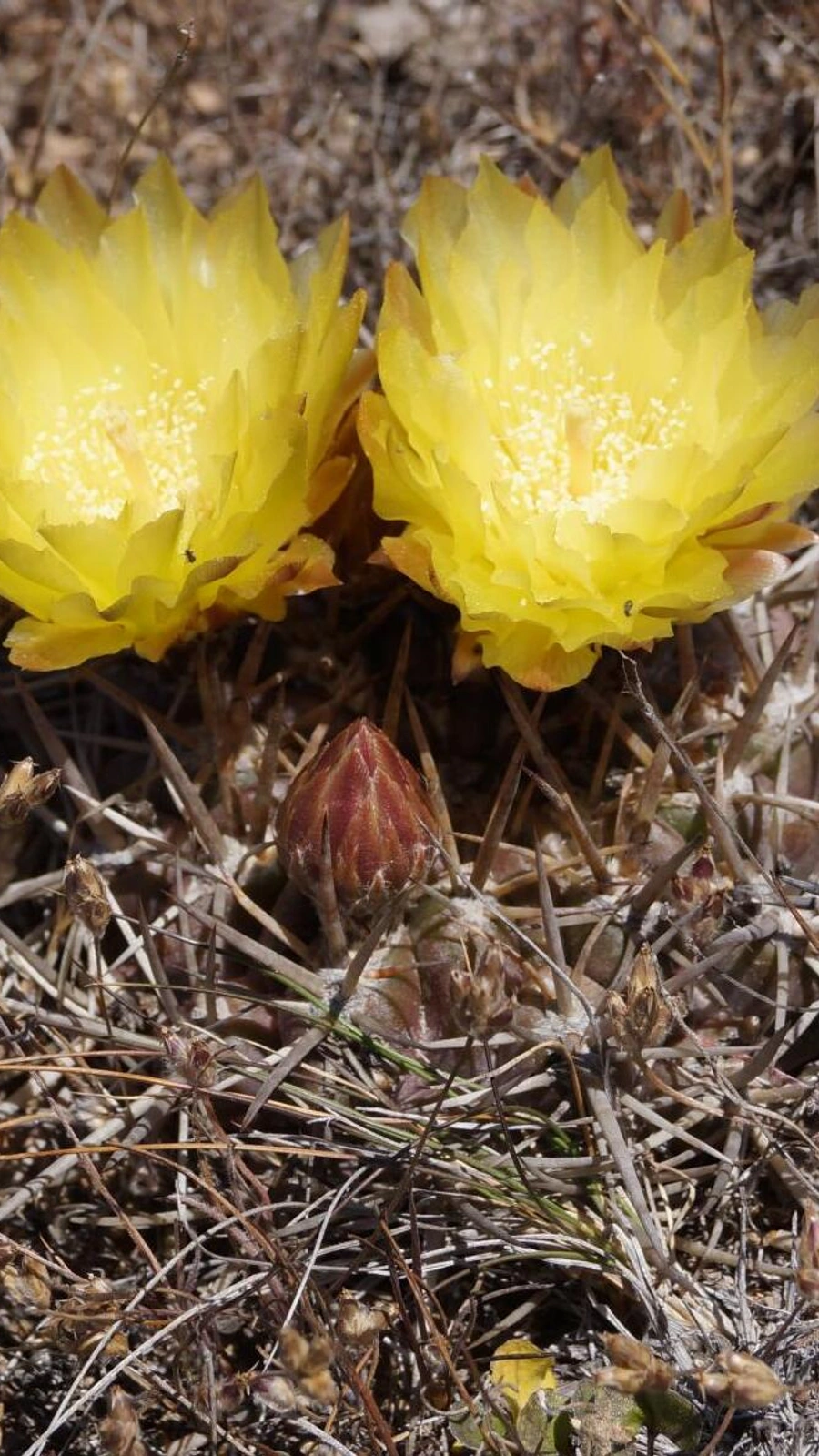 Reference image
Variable Chilean Cactus
Eriosyce mutabilis is a slow-growing, succulent subshrub in the family Cactaceae, native to the arid landscapes of Chile 1. It is highly prized by cactus enthusiasts for its striking, variable spination and beautiful funnel-shaped flowers.
Originally described under different names by Friedrich Ritter, it was later classified under Eriosyce by Fred Kattermann. The specific epithet mutabilis refers to the notable variability in spine color, density, and form across individual specimens 1.
This species is native to central and northern Chile, thriving from coastal terraces up to the dry Andean slopes. It inhabits hyper-arid desert biomes and dry shrublands, growing in rocky, well-draining soils with minimal organic content 2.
The stem is solitary, globose to shortly cylindrical, with defined ribs bearing prominent areoles. Spines vary from golden-brown to nearly black, often curving inward. During the growing season, it produces vibrant yellow, orange, or reddish flowers from the apical meristem 2.
It requires a highly porous mineral substrate and plenty of filtered sunlight. Watering must be applied on a soak-and-dry basis. In winter, keeping the plant completely dry and cool encourages healthy dormancy and subsequent blooming.
Overwatering and using heavy, clay-rich soils are the main causes of root rot. Inadequate air circulation combined with high humidity can also invite fungal infections and compromise the plant's health.
Requires bright filtered sun. Protect from intense midday summer sun to prevent scorching.
Water thoroughly only when the soil is completely dry. Keep dry in winter.
Strictly mineral-based gritty mix with pumice, perlite, and coarse sand.
Non-toxic to pets, but has sharp spines that can cause physical injury.
Moderate. Requires strict water control and a dry winter resting period.
Native to the coastal deserts and dry rocky hillsides of northern and central Chile, where it survives on minimal rainfall and condensation from coastal fogs.
