
Light
Full Sun
Requires full sun, preferably at least 6 hours of direct sunlight daily.
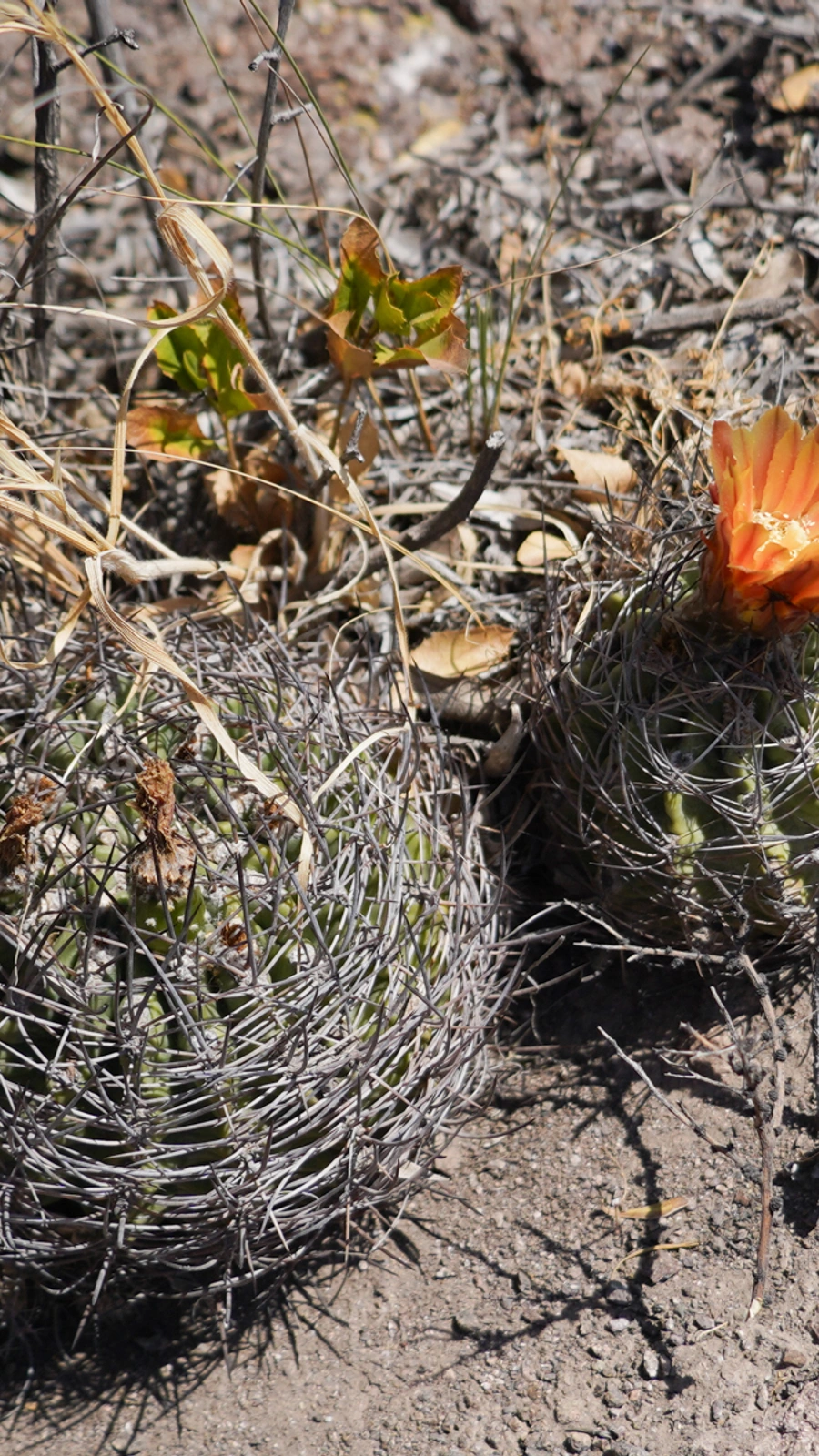 Reference image
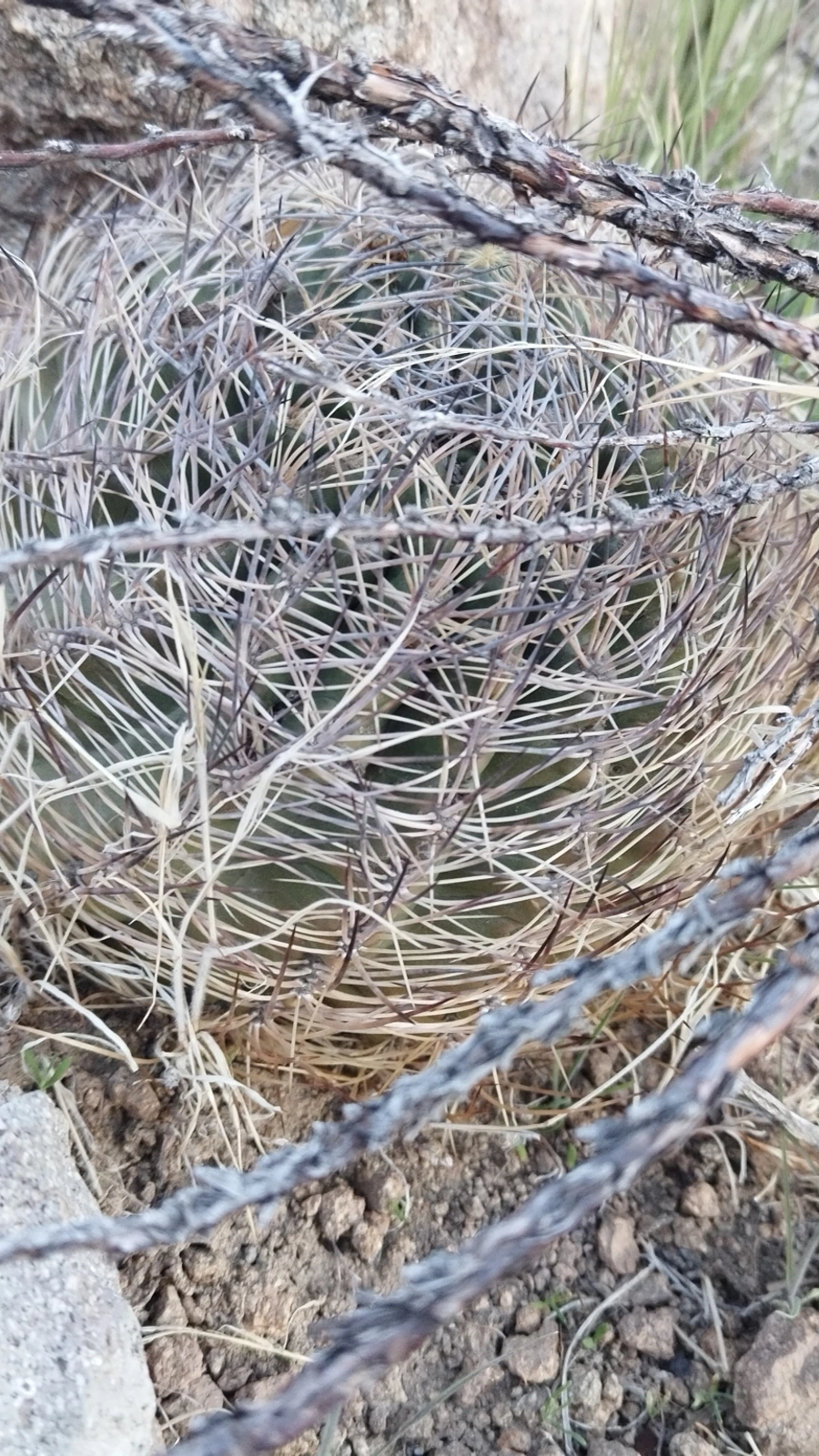 Reference image
Eriosyce orientalis is a rare and highly sought-after cactus species within the family Cactaceae. Native to the arid coastal regions of Chile, this slow-growing succulent subshrub is prized by collectors for its compact, globular form and dramatic spination 1.
Belonging to the diverse genus Eriosyce, this species has historically been classified under Neoporteria or Pyrrhocactus. The specific epithet 'orientalis' refers to its localized distribution on eastern-facing slopes of coastal ridges, rather than a broad geographical eastern origin 2.
This species is micro-endemic to the coastal mountain ranges bordering the Atacama Desert in Chile 1. It thrives on steep, rocky mineral slopes where it relies heavily on coastal fog ('camanchaca') for moisture in an otherwise hyper-arid climate.
Eriosyce orientalis forms a solitary, globose to short-cylindrical stem, often dark grayish-green to copper-toned under intense sun. It features prominent ribs lined with dense areoles bearing stiff, dark, and curved spines. Funnel-shaped flowers in shades of yellow, orange, or pale pink emerge from the woolly crown in late spring.
In cultivation, it demands exceptional drainage and maximum sunlight. Full sun exposure prevents etiolation and promotes dense spine growth 2. Watering must be approached with caution, allowing the substrate to dry out entirely between soakings and maintaining absolute dryness in winter.
Overwatering and poorly draining soil are the primary causes of root and stem rot. Insufficient light leads to weak, elongated growth and loss of its natural compact shape.
Requires full sun, preferably at least 6 hours of direct sunlight daily.
Water only when soil is bone dry. Keep completely dry in winter.
Use a highly mineral mix with lots of pumice, lava rock, and coarse sand.
Sharp spines require careful handling with gloves. Non-toxic to pets.
Moderate; highly dependent on strict watering control and high light.
Occurs natively along the arid coastal mountain ridges of northern and central Chile, surviving on rocky outcrops sustained by coastal sea fogs.
